Introduction
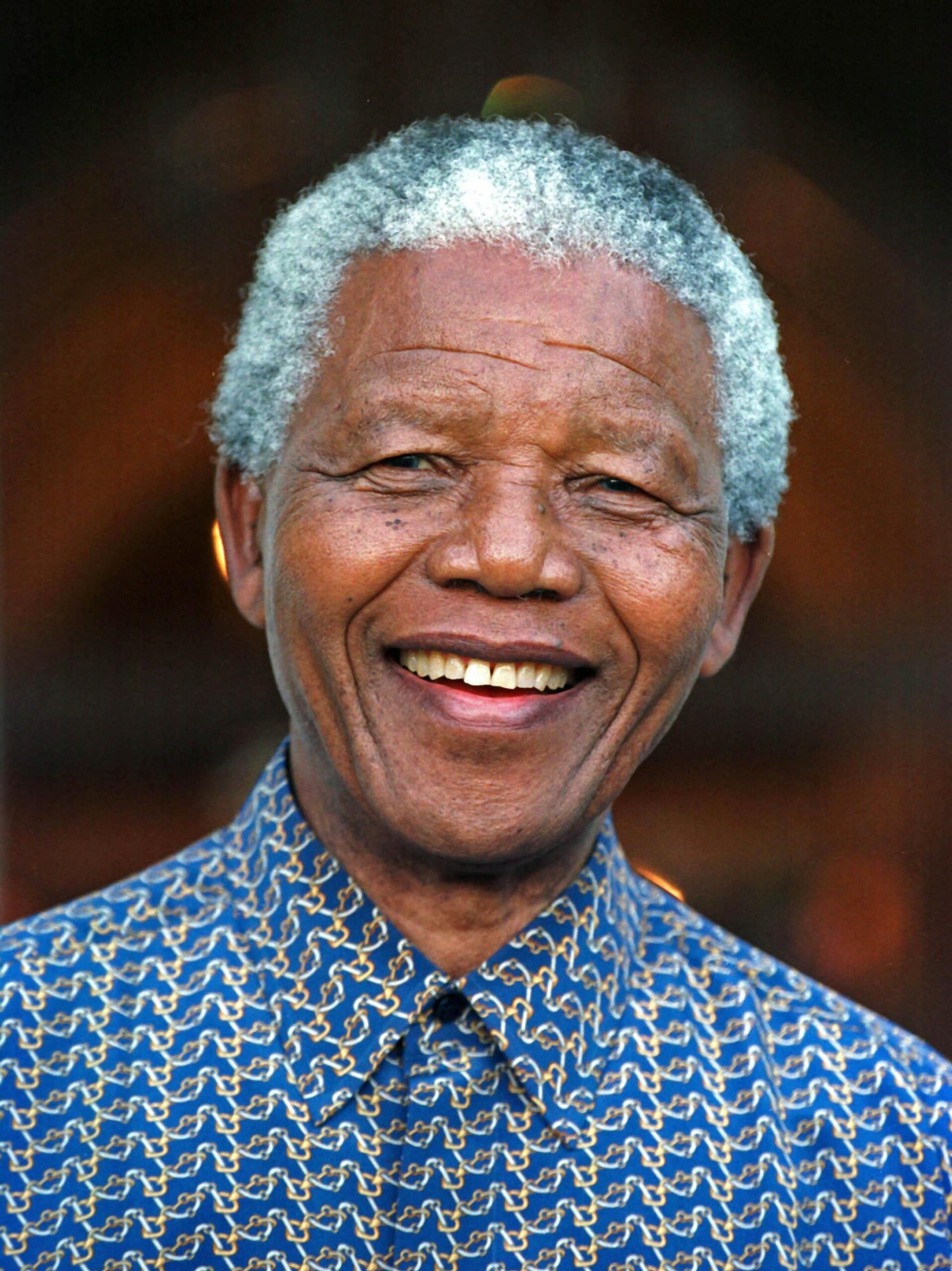
Nelson Mandela remains one of the most significant figures in modern history, celebrated for his pivotal role in ending apartheid in South Africa and promoting global peace and equality. His life story is not just a testament to resilience and determination; it also serves as an inspiration for generations striving for justice and human rights. Understanding Mandela’s impact is crucial, especially in today’s climate, where calls for social justice and equality remain pressing issues.
A Life of Struggle
Born on July 18, 1918, in the village of Mvezo in South Africa, Mandela grew up in a society riddled with racial injustice. His journey as an anti-apartheid activist began in earnest during the 1940s when he joined the African National Congress (ANC). His opposition to apartheid led to his imprisonment in 1962, where he spent 27 years in prison, enduring harsh conditions and solitude. Even in confinement, Mandela’s spirit remained unbroken, and he became a symbol of resistance against oppression worldwide.
Presidency and Reconciliation
In 1990, after extensive international pressure and internal strife, Mandela was released from prison. His leadership was critical during the transition period as South Africa moved towards a multiracial democracy. In 1994, he became the first black president of South Africa, focusing on reconciliation between the country’s deeply divided racial groups. His government established the Truth and Reconciliation Commission, aimed at healing the wounds of the past while promoting forgiveness and unity over vengeance.
Global Influence and Legacy
Mandela’s influence extended far beyond South Africa’s borders. He became a symbol of peace and resistance against injustice, which resonated worldwide. His activism garnered global support and highlighted issues of human rights that continue to be relevant today, such as racial equality, poverty alleviation, and LGBTQ+ rights. Notably, he was awarded the Nobel Peace Prize in 1993 alongside then-South African President F.W. de Klerk, for their efforts to peacefully dismantle apartheid.
Conclusion
Nelson Mandela passed away on December 5, 2013, but his legacy endures. Today, his life continues to inspire movements for freedom and equality worldwide. As individuals and communities face systemic challenges and inequalities, Mandela’s teachings encourage a renewed commitment to nonviolence and reconciliation. Understanding and disseminating Mandela’s legacy is essential for fostering a more just society that values human dignity above all.