Introduction
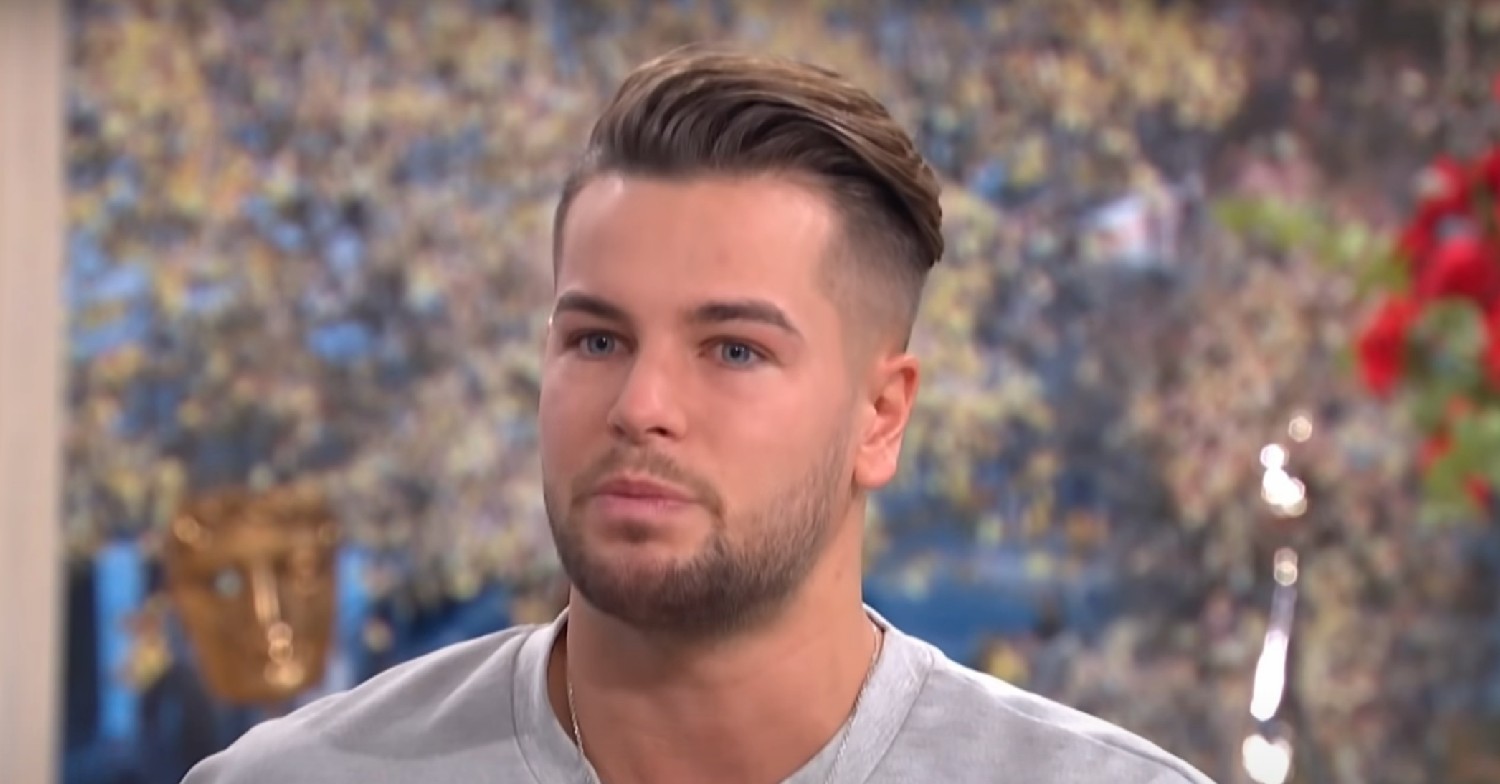
Chris Hughes, originally known for his appearance on the reality show Love Island, has emerged as a prominent figure in both the entertainment and philanthropic spheres. His extensive influence since the show has captivated audiences and raised discussions about the responsibility of reality stars in using their platforms for social good. As a culture captivated by social media and celebrity, Hughes’s journey is a pertinent example of how public figures can impact society beyond their initial fame.
Rise to Fame
After joining Love Island in 2017, Hughes quickly became a household name. His charismatic personality and romantic involvement with fellow contestant Olivia Attwood garnered much attention. The couple’s relationship sparked various public discussions around love, relationships, and the pressures that stem from being in the public eye. Following his time on television, Hughes built a career that expanded beyond traditional entertainment. He ventured into music, television presenting, and even launched his own clothing brand.
Philanthropic Endeavours
More recently, Chris Hughes has turned his attention to philanthropy. He has been actively involved in various charitable activities, primarily focusing on mental health awareness. Hughes has candidly shared his own experiences with mental health challenges, particularly during the pandemic, when he launched the #ItsOkayToTalk campaign. This initiative aims to encourage open conversations about mental health among young men, a crucial step in dismantling the stigma surrounding such topics. His efforts have led to collaborations with mental health organisations, further solidifying his commitment to this cause.
Current Events and Impact
As of 2023, Hughes continues to use his platform to advocate for mental health, alongside engaging in other social issues. Recently, he participated in a charity event aimed at raising funds for children’s mental health services, which saw participation from several other reality stars. His blend of celebrity and advocacy has inspired many young fans to take an interest in philanthropy and to realise the importance of mental health support. Media coverage of his initiatives has sparked dialogue on the responsibilities of influencers in addressing significant societal issues.
Conclusion
Chris Hughes’s transformation from a reality star to a proactive philanthropist illustrates the potential of public figures to effect positive change. As he continues his efforts in mental health advocacy, Hughes serves as a reminder of the importance of using one’s platform for the greater good. This evolution not only highlights the power of celebrity influence in today’s society but also paves the way for future reality stars to embrace their roles as communicators of social issues. As audiences grow increasingly aware of the challenges that come with fame, Hughes’s narrative may encourage more celebrities to engage in meaningful dialogue and initiatives, fostering a culture of responsibility and awareness.