Introduction
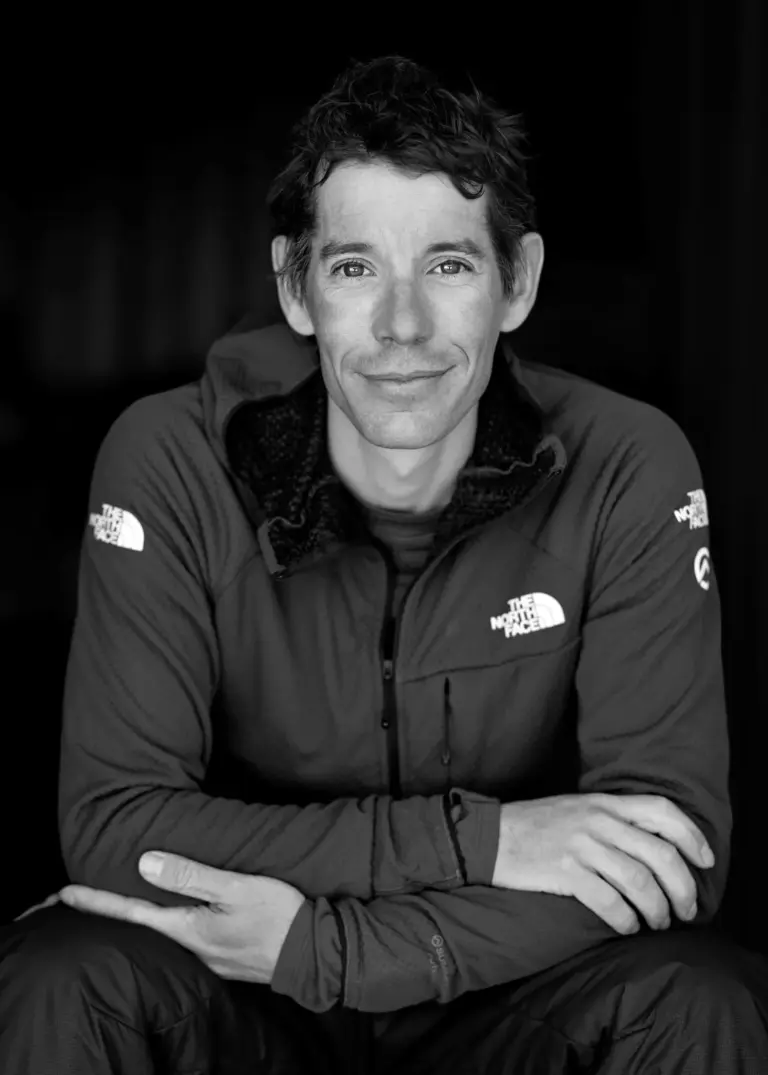
Alex Honnold has become a household name in the world of climbing, particularly for his daring free solo ascents. His most notable achievement, climbing El Capitan in Yosemite National Park without ropes, has redefined the limits of what climbers can achieve. Honnold’s journey is significant not only for its physical demands but also for the mental resilience and dedication required to overcome such formidable challenges. As climbing continues to gain recognition as both a sport and a form of art, Honnold’s influence is felt worldwide.
Background and climb of El Capitan
Born on August 17, 1985, in Sacramento, California, Honnold developed a passion for climbing at a young age. He quickly rose through the ranks, building a reputation for his bold climbing style. The pinnacle of his career came on June 3, 2017, when he completed a free solo ascent of the 900-metre vertical rock face of El Capitan. This achievement was captured in the acclaimed documentary “Free Solo”, which not only highlights his extraordinary skills but also delves into the psychological aspects of climbing without any safety gear.
Significance of Free Soloing
Honnold’s free soloing has sparked discussions around risk in adventure sports. While many admire his feats, others raise valid concerns about safety and mental health. Honnold himself has addressed these issues, emphasising the importance of careful planning and preparation, despite the inherent dangers of his sport. He has successfully managed to balance his ambitions with a rational understanding of risk, which has become a focal point in conversations about extreme sports.
Recent Developments and Future Prospects
In addition to his climbing feats, Honnold has engaged in various philanthropic efforts, promoting environmental sustainability and renewable energy. In 2020, he launched the Honnold Foundation, which focuses on solar energy access in underserved communities globally. As climate change remains a pressing issue, Honnold’s advocacy connects the world of climbing with broader societal concerns, showcasing how sports figures can influence positive change.
Conclusion
As Alex Honnold continues to push the boundaries of climbing, his journey serves as a reminder of the blend of courage, skill, and mindfulness required in extreme sports. He has not only enjoyed personal success but also inspired a new generation of climbers and adventurers to pursue their passions with an awareness of their impact on the world. While the future of climbing remains uncertain, one thing is clear: Honnold will remain a pivotal figure in the climbing community, leaving a lasting legacy that transcends the cliffs he climbs.