Introduction
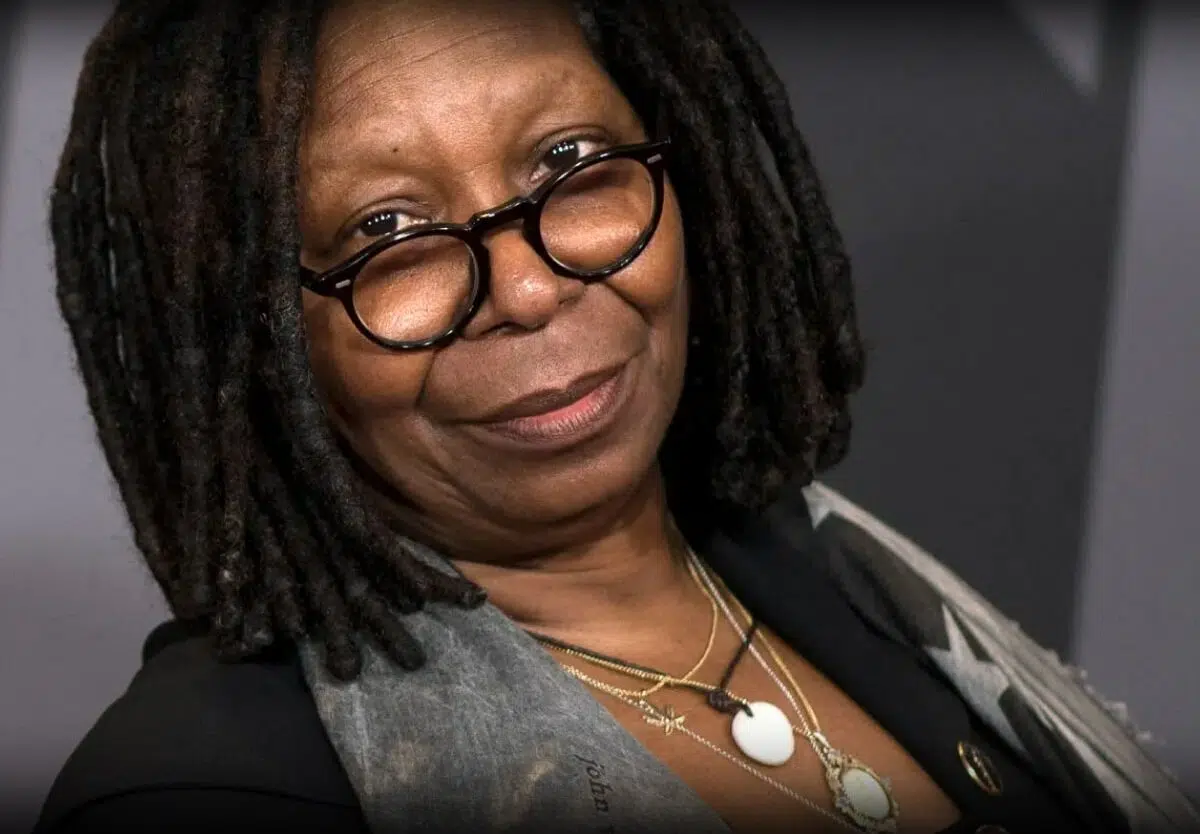
Whoopi Goldberg, an iconic figure in the entertainment industry, is celebrated for her multifaceted talent that spans theatre, film, television, and stand-up comedy. With her unique style and powerful presence, Goldberg has not only redefined roles for women of colour but has also made significant contributions to various social causes. Her career, marked by numerous accolades, speaks volumes about her influence and relevance in today’s cultural landscape.
Whoopi Goldberg: A Career Overview
Born Caryn Elaine Johnson on November 13, 1955, in New York City, Whoopi Goldberg’s rise to fame began in the 1980s. She gained critical acclaim with her one-woman show on Broadway, which caught the attention of director Steven Spielberg, leading to her star-making role in “The Color Purple” (1985). This breakthrough performance earned her an Academy Award nomination and paved the way for a successful film career.
Goldberg’s impressive filmography includes iconic films such as “Ghost” (1990), for which she won an Oscar for Best Supporting Actress, and “Sister Act” (1992), showcasing her comedic talent. Over the years, she has also established herself as a prominent television figure, notably as a co-host on the popular talk show “The View” since 2007. Her voicework in animated films, including the role of Shenzi in Disney’s “The Lion King” (1994), further exemplifies her versatility.
Social Impact and Activism
Apart from her entertainment career, Whoopi Goldberg has been a passionate advocate for various social issues, including LGBTQ+ rights, women’s rights, and racial equality. Throughout her career, she has used her platform to address significant societal issues, often blending humour with serious topics to engage audiences. Following the recent surge in discussions surrounding racial justice, Goldberg’s voice has been pivotal in contributing to dialogues about representation and inclusivity in Hollywood.
Conclusion
As of 2023, Whoopi Goldberg remains a central figure in entertainment and social activism. Her contributions to film, television, and various causes have solidified her status as a cultural icon. Looking forward, her commitment to advocacy and representation indicates that she will continue to influence future generations of artists and activists alike, making it essential for audiences to stay tuned to her ongoing journey in both the arts and activism.