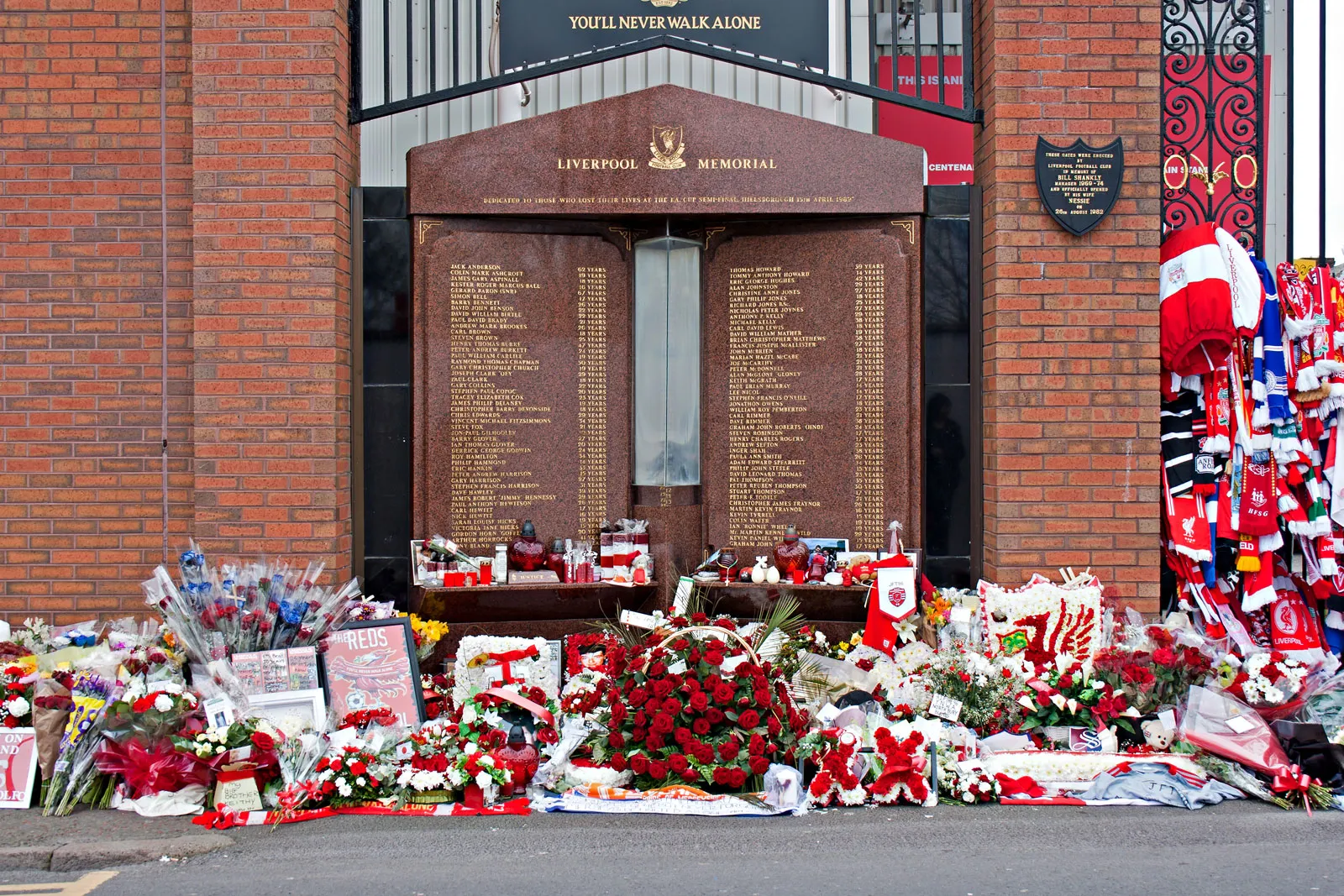
Introduction: The Importance of the Hillsborough Disaster
The Hillsborough Disaster, which occurred on 15 April 1989, is a significant event in the history of football in the UK, profoundly impacting safety regulations in sports venues. During an FA Cup semi-final match between Liverpool and Nottingham Forest at Hillsborough Stadium in Sheffield, 96 fans tragically lost their lives due to overcrowding and subsequent crushes in the standing-only pens. This disaster revealed critical failings in crowd management, emergency preparedness, and the treatment of supporters, making it a pivotal moment in advocating for change in sports safety protocols.
Key Events of the Hillsborough Disaster
On the fateful day, the match began amidst a chaotic situation. With tickets sold to more fans than the stadium could accommodate, the situation escalated as spectators attempted to enter the ground through a single turnstile. Following a lack of effective crowd control and communication from law enforcement, fans were pushed into pens that were already overcrowded. The resultant crush led to the tragic loss of life and hundreds of injuries, marking a dark chapter in football’s history.
In the aftermath of the incident, initial media reports and motivations of the authorities attempted to shift the blame onto Liverpool fans, perpetuating harmful stereotypes. However, an extensive inquest conducted over the following years gradually unearthed a myriad of institutional failures, leading to the establishment of the Hillsborough Independent Panel in 2012, which provided a comprehensive report on the events and evidence surrounding the disaster.
Impact on Football Regulations and Safety
The Hillsborough Disaster catalysed major reforms in UK football regulation, ultimately leading to the implementation of all-seater stadiums and stricter crowd control measures. The Taylor Report, commissioned by the government post-disaster, played a crucial role in shaping these changes, highlighting the necessity for improved safety standards aimed at protecting fans at sporting events. As a result, football stadiums across the country were rebuilt or renovated to ensure safety and accessibility, with an emphasis on removing standing areas to prevent a similar tragedy from occurring.
Conclusion: Lasting Significance and Lessons Learned
Decades after the Hillsborough Disaster, the memories of the 96 victims remain alive through campaigns for justice and recognition of their loss. The disaster significantly changed the landscape of British football, paving the way for safer matchday experiences. It serves as a sombre reminder of the importance of accountability and transparency in managing public safety. Continued remembrance and reflection on the Hillsborough Disaster are vital, ensuring that the lessons learned are not forgotten and helping to foster a culture of safety and respect for fans in all sports.