Introduction
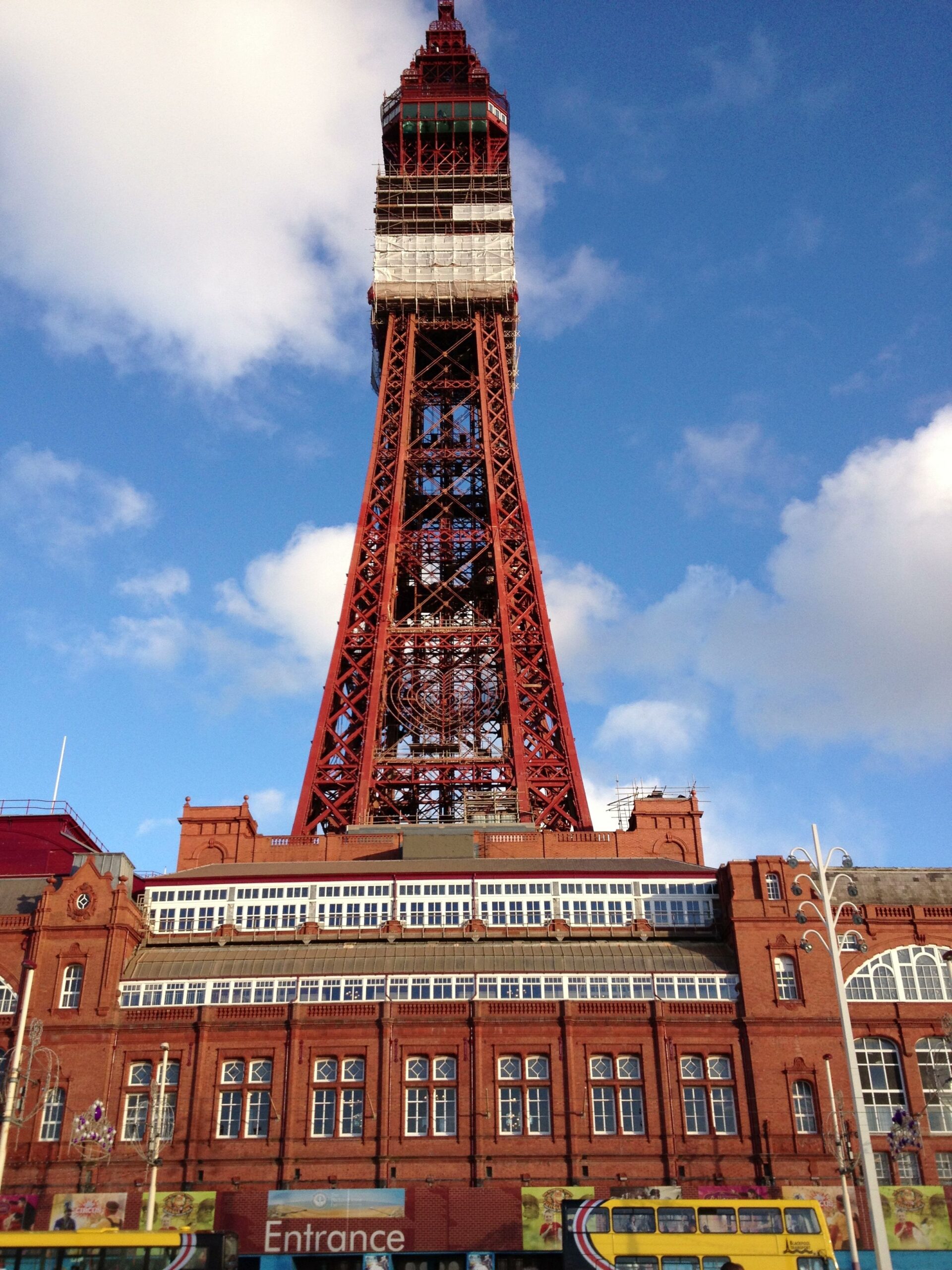
The Blackpool Tower, standing tall at 158 metres (518 ft), is not only an iconic structure but also a significant landmark in British history. It was opened in 1894 and has since become synonymous with the vibrant seaside town of Blackpool. Drawing millions of visitors each year, the Tower is a testament to Victorian engineering and design, facing challenges and transformations over the years while maintaining its cultural relevance.
A Historical Overview
Designed by Sir John Bickerstaffe, the Blackpool Tower was inspired by the Eiffel Tower in Paris. It was part of a larger initiative to develop Blackpool as a major tourist destination during the late 19th century. Initially built as an entertainment venue, the Tower has housed a range of attractions over the decades, including the famous ballroom, an aquarium, and the thrilling Tower Eye observation platform.
Recent Developments
In recent years, the Blackpool Tower has seen significant renovations to enhance the visitor experience while preserving its historical integrity. As of 2023, the Tower has reintroduced the famous glass-floored viewing area, allowing visitors to look directly down at the ground below from a staggering height. Alongside this, the Tower offers interactive displays and educational exhibitions that showcase its rich history and the culture of Blackpool. These developments aim not only to preserve the Tower but also to engage a new generation of visitors.
Significance Today
Today, the Blackpool Tower stands as a symbol of resilience and history. During the COVID-19 pandemic, it faced temporary closures, but it quickly adapted, offering virtual tours and online experiences, allowing fans to connect with the landmark from afar. Post-pandemic, it continues to attract crowds, being a focal point for events and celebrations, such as concerts, tours, and festive illuminations.
Conclusion
The Blackpool Tower is much more than just a structure; it is a beacon of cultural identity for Blackpool and a vital piece of the heritage puzzle for the United Kingdom. As it celebrates over 125 years since its opening, expectations are high for its role in future tourism development in the post-pandemic era. As visitors return to its heights, the Tower is likely to remain a cherished landmark for many generations to come.