Introduction
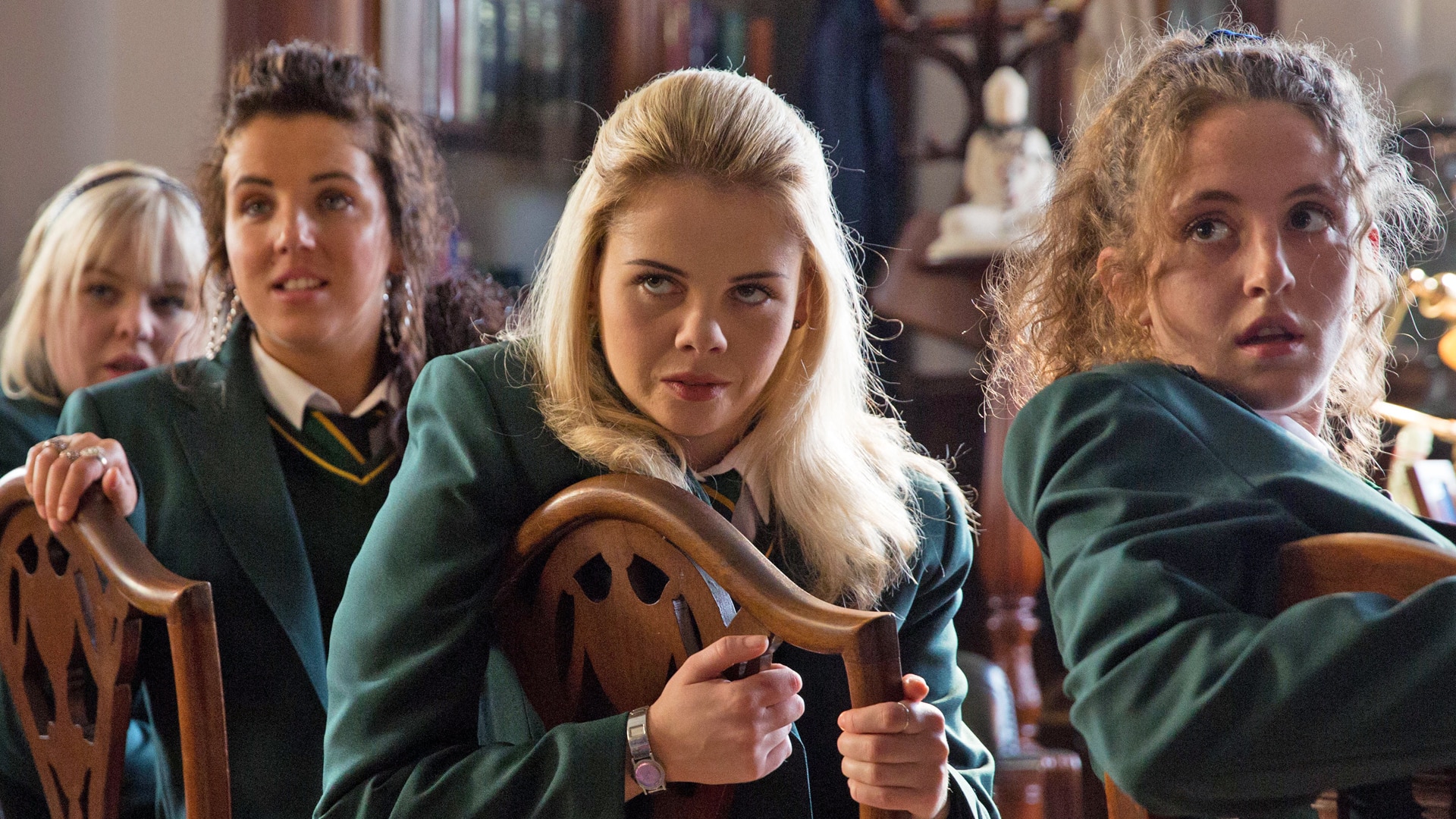
Derry Girls, a British sitcom that aired for three series from 2018 to 2022, has captured the hearts of audiences both in the UK and internationally. Set against the backdrop of Northern Ireland during the Troubles in the 1990s, the show follows the lives of five teenagers as they navigate the complexities of adolescence amidst political unrest. This unique blend of humour and historical context has made it a significant part of modern British television, highlighting issues of identity, friendship, and the everyday experiences of youth during a tumultuous period.
Major Themes and Audience Reception
The show revolves around the lives of Erin Quinn, her cousin Orla, and their friends Clare, Michelle, and James, who is the only male in the group. What sets Derry Girls apart is its authentic depiction of life in Derry, Northern Ireland, combined with a distinctive comedic approach. Viewers have praised the show’s ability to address serious topics while still being laugh-out-loud funny. Critics have noted that the characters are relatable, showcasing not only the challenges of growing up but also the power of friendship in tough times.
The show’s impact can be measured through its accolades and considerable viewer ratings. Derry Girls won multiple BAFTA awards and grew a dedicated fan base, demonstrating the strong connection audiences developed with its characters and storylines. According to research, the series was one of Channel 4’s most successful comedies since The Inbetweeners, with millions tuning in for the final episodes.
Conclusion
The significance of Derry Girls transcends mere entertainment; it has sparked conversations around identity and the historical implications of the Troubles. With a narrative infused with both humour and hardship, the show serves as a cultural touchstone, inviting audiences from all backgrounds to engage with the past in a new way. As fans await news of any further projects from creator Lisa McGee, the legacy of Derry Girls is likely to endure, reflecting on the resilience of youth in times of adversity. The show not only entertains but also educates, making it a vital part of contemporary British and Irish storytelling.