Introduction
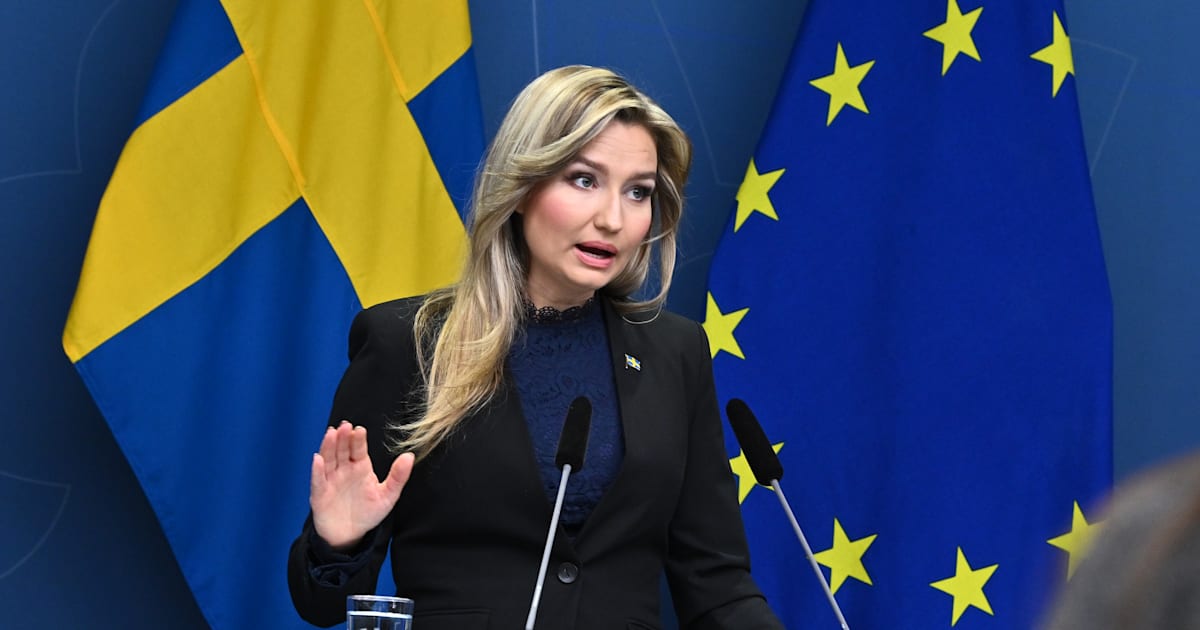
Ebba Busch, the leader of Sweden’s Christian Democrats, has emerged as a significant figure in the nation’s political landscape. Her role is increasingly relevant as Sweden navigates complex challenges, including economic recovery, social welfare, and immigration reform. Understanding her policies and influence is crucial for comprehending the future trajectory of Sweden’s political climate.
Current Political Landscape
Following the 2022 general elections, Busch’s party, the Christian Democrats, aligned with a conservative coalition minority government led by Prime Minister Ulf Kristersson. This coalition has aimed to address growing public concerns regarding safety, the economy, and integration of immigrants. Busch’s leadership has steered the Christian Democrats toward a path emphasising traditional family values while advocating for progressive changes in environmental policies.
Recent Developments
In various recent forums, including public debates and announcements, Busch has championed initiatives aimed at enhancing the welfare state, particularly concerning young families and the elderly. Recently, she proposed a series of measures to reduce child poverty and improve childcare facilities in Sweden. These proposals have garnered both support and criticism, reflecting the broader debates over welfare system reforms in the Nordic country.
Influence and Public Perception
Public perception of Ebba Busch is mixed. Supporters commend her for addressing issues such as housing shortages and advocating for healthcare reform. Conversely, critics argue that her party’s policies sometimes prioritize austerity over necessary social spending. Recent polls indicate her standing among voters fluctuates, with a growing segment of younger voters becoming more engaged with her messages.
Conclusion
Ebba Busch’s rising influence in Swedish politics underscores the dynamic nature of the country’s political system. As she navigates her party through complex socio-economic issues, her leadership style and policy choices may significantly shape Sweden’s future. Analysts predict that her ability to balance traditional values with modern challenges will be crucial in the upcoming elections, making her a key figure to watch as the political landscape continues to evolve.