Introduction
Gary Neville, renowned as one of football’s most respected defenders, has made a significant impact both on and off the pitch. Having spent his entire playing career at Manchester United, his contributions as a player have cemented his status as a club icon. In recent years, Neville has transitioned into a prominent football pundit, using his platform to influence the game positively. Understanding his journey provides insight into the evolution of modern football and the role former players play in shaping the narrative of the sport.
Career Highlights
Born on February 18, 1975, in Bury, England, Neville joined Manchester United’s academy at a young age and made his first-team debut in 1992. Over a stellar career that lasted until 2011, he made 602 appearances for the club, winning numerous accolades, including eight Premier League titles and two UEFA Champions League trophies. His consistency, leadership, and footballing intelligence on the right side of defence were pivotal to the team’s success, particularly during Sir Alex Ferguson’s tenure.
Transition to Media
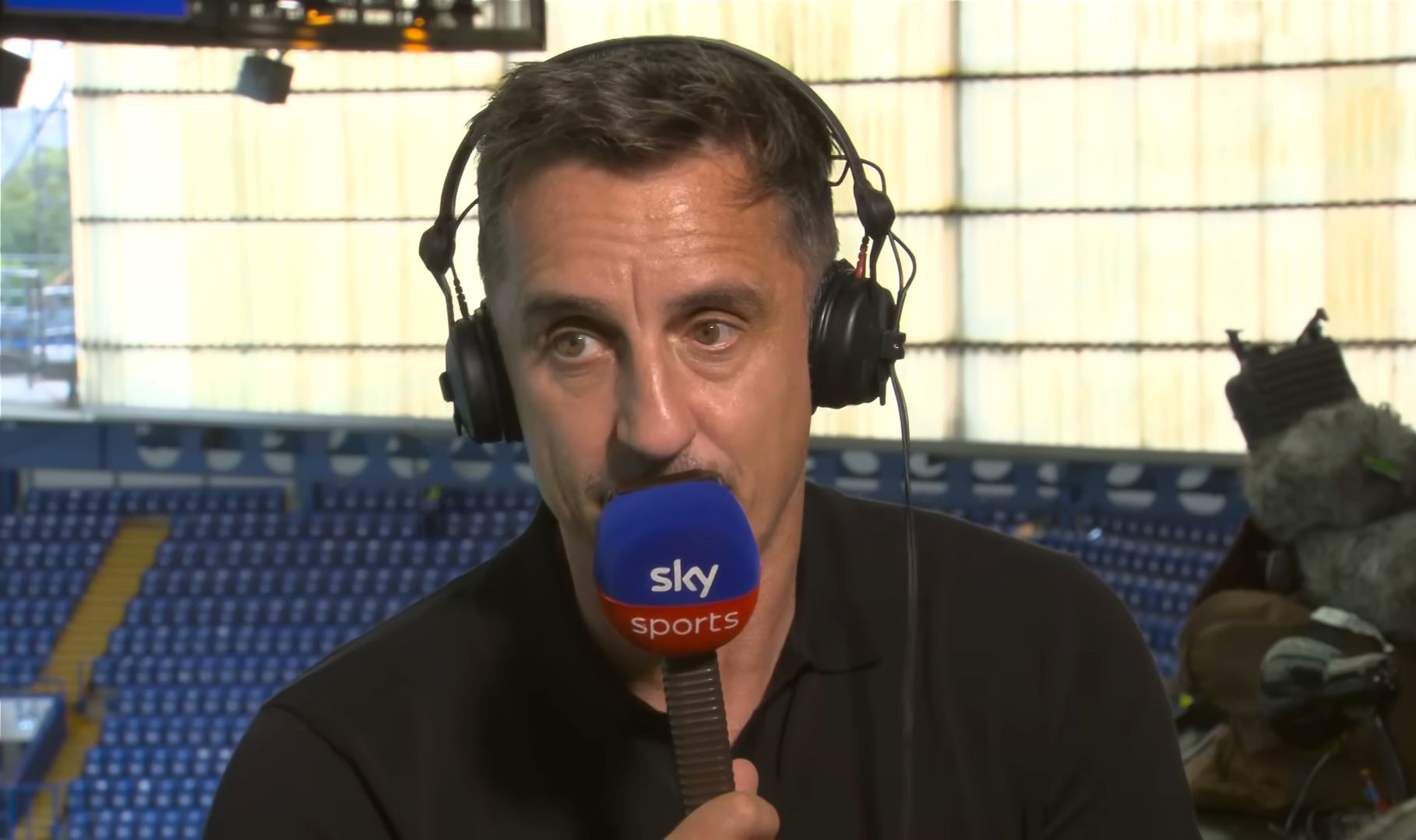
After retirement from playing, Neville ventured into coaching before turning to media. He became a well-known pundit on Sky Sports, where his analytical approach and articulate opinions have earned him considerable respect. His willingness to speak truthfully about controversial issues, including VAR and the governance of football, has made him a prominent voice in the sport. This has not only shaped public discussions around football but has also highlighted the importance of accountability in the game.
Philanthropic Efforts and Business Ventures
Beyond football, Neville is admired for his philanthropic efforts and business acumen. He co-owns the hotel and lifestyle brand, Hotel Football, located near Old Trafford, which reflects his deep connection to the club and the city. Additionally, he has participated in various charitable initiatives, particularly focusing on youth development and education in Manchester, further showcasing his commitment to giving back to the community.
Conclusion
Gary Neville’s journey from a talented footballer to a respected pundit illustrates the multifaceted nature of modern athletes. His influence extends beyond the pitch, as he continues to engage with fans, address critical issues in football, and contribute to his community. As football evolves, figures like Neville remind us of the profound impact former players can have in shaping the future of the sport and society as a whole, encouraging current and future generations to embrace both their sportsmanship and civic responsibilities.