Introduction to Chinese New Year
Chinese New Year, also known as Lunar New Year or Spring Festival, is one of the most significant cultural celebrations in China and among Chinese communities worldwide. In 2024, the festival will commence on February 10th, marking the beginning of the Year of the Dragon. The importance of this holiday lies not only in its rich traditions and customs but also in its role as a time for family reunion and rejuvenation as people bid farewell to the old year and welcome the new one.
Historical Significance and Traditions
The origins of Chinese New Year can be traced back thousands of years to ancient agrarian traditions that celebrate the harvest and honour deities and ancestors. The festival is steeped in traditions such as the reunion dinner, where families gather for a lavish meal enjoying symbolic foods representing prosperity and happiness, such as fish and dumplings.
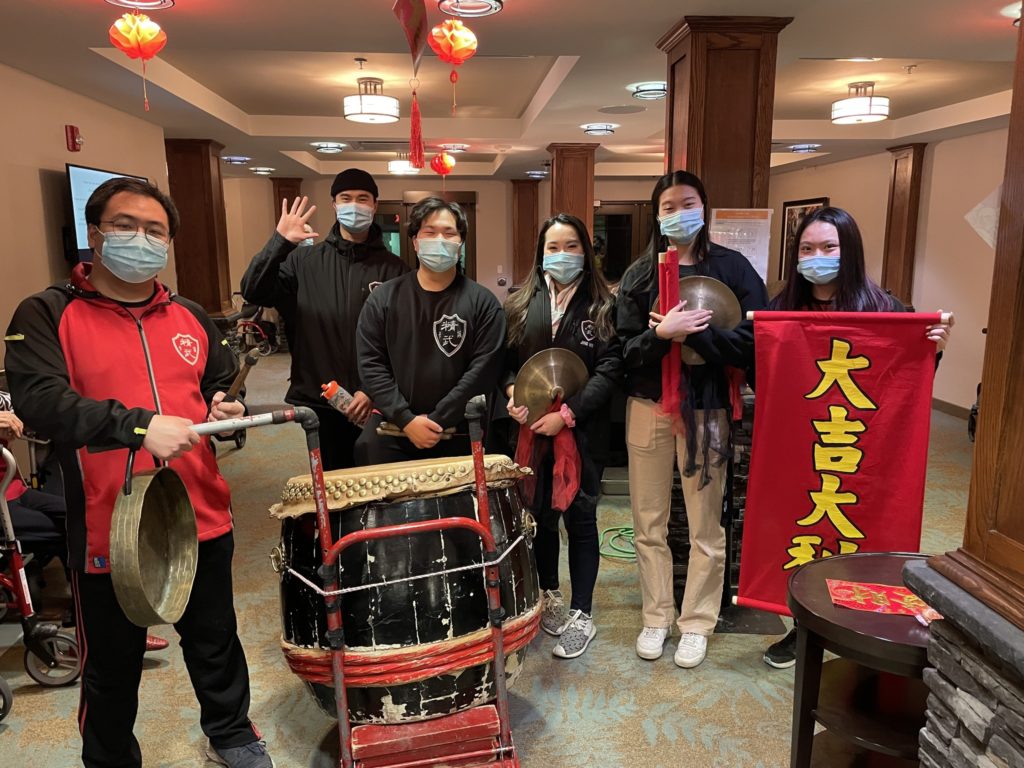
Besides the reunion dinner, the festival is also marked by several other customs, including the giving of red envelopes (hongbao) containing money to children and unmarried adults, symbolising good luck and prosperity. The use of fireworks and lion dances are common sights during the celebrations, believed to ward off evil spirits.
Current Celebrations Amidst Global Context
As the world prepares for the 2024 celebrations, it is significant to note the impact of the COVID-19 pandemic on the way people celebrate. In recent years, festivities have been scaled back due to health concerns, but communities are gradually returning to more traditional large-scale celebrations. Many cities across the globe are organising parades and events to honour the occasion, bringing together people irrespective of their backgrounds. Major cities such as London, New York, and Sydney are expected to host vibrant celebrations featuring fireworks, performances, and traditional food stalls.
Conclusion
Chinese New Year serves both as a momentous cultural festival and an opportunity for reflection and renewal. The significance of the festival goes beyond the customs and traditions; it embodies the values of family, togetherness, and hope for the future. As 2024 approaches, individuals and communities alike are encouraged to embrace the spirit of the festival, celebrating not only the arrival of the Year of the Dragon but also the enduring cultural heritage that unites countless people around the world. Embracing these celebrations fosters appreciation and respect for cultural diversity, reminding us that, though we may have different customs, our values of love, hope, and renewal are universal.