Introduction
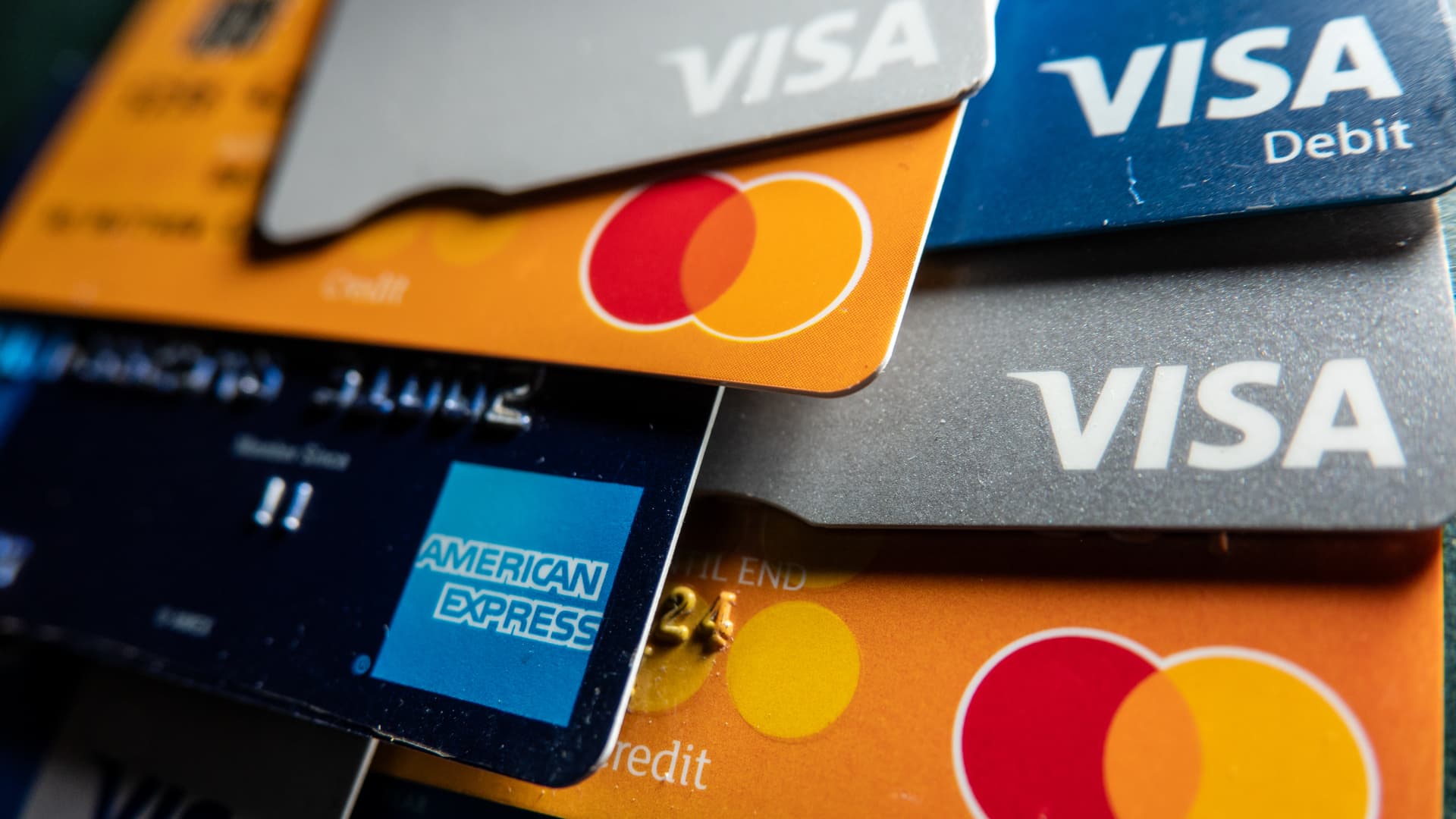
Credit cards have become an integral part of modern financial management, providing consumers with convenience, security, and access to credit. As of 2023, the use of credit cards is more relevant than ever, with an estimated 53% of UK adults holding at least one card. This growing popularity stems from a variety of factors, including the ease of online transactions, the allure of rewards programmes, and the need for financial flexibility.
Current Trends in Credit Card Usage
Recent data from the UK Finance report for Q2 2023 shows that credit card spending is on the rise, with a reported increase of 14% compared to the previous year. This surge can be attributed in part to the post-pandemic shift towards digital payment methods, as consumers opt for the simplicity of credit transactions over cash. Additionally, there has been a growing trend in the adoption of contactless payments, with many credit cards now offering this feature, which has enhanced consumer confidence in using credit cards for everyday purchases.
Moreover, banks and financial institutions are rolling out innovative products to attract cardholders. For instance, cashback and travel rewards schemes are becoming increasingly popular, allowing users to earn points for every pound spent. The introduction of ‘buy now, pay later’ options linked with credit cards also appeals to younger consumers who value flexibility in managing larger purchases.
Challenges Associated with Credit Card Use
Despite their advantages, credit cards come with certain challenges. The rising cost of living has led to an increase in credit card debt among consumers, with an estimated £10 billion owed in outstanding balances as of September 2023, according to the Bank of England. Many individuals are struggling to balance their financial commitments, resulting in missed payments and potential damage to credit scores.
Additionally, as credit card fraud continues to be a concern, cardholders must remain vigilant against scams and breaches. Financial institutions are investing in security measures, such as biometric authentication and fraud detection algorithms, to protect users’ information. However, consumers also need to take precautionary steps, like monitoring their statements regularly and reporting any suspicious activity promptly.
Conclusion
In summary, credit cards are an essential financial tool that offers numerous benefits but also presents potential risks. As usage continues to evolve in 2023, it is important for consumers to understand both the advantages and challenges associated with credit cards. Looking ahead, it is likely that increased awareness of responsible credit use and the emergence of more secure technologies will shape the future of credit cards, making them a more secure and beneficial option for managing finances.