Introduction
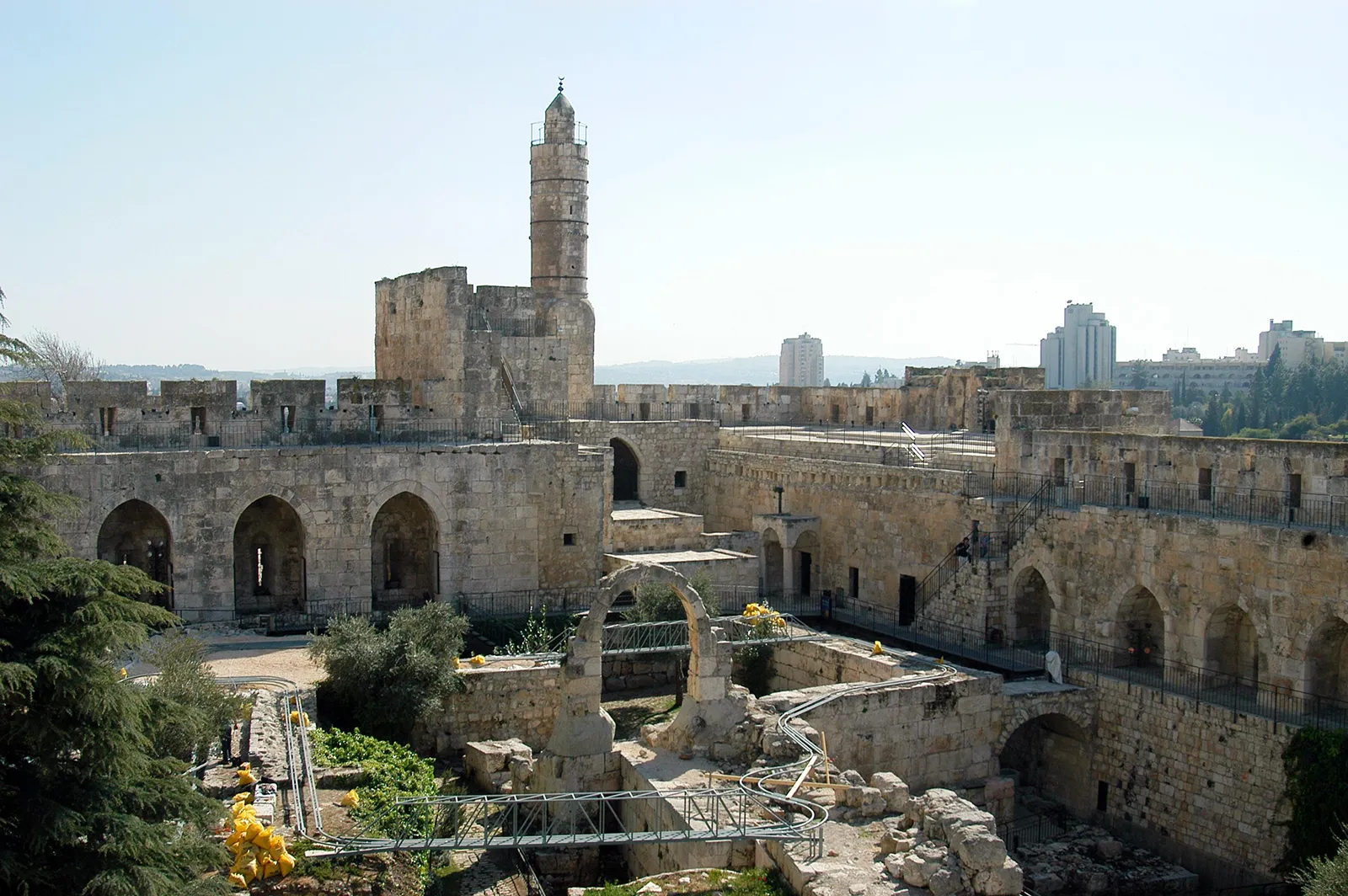
Jerusalem has long been recognized as a city of immense historical and spiritual significance. As a focal point for Judaism, Christianity, and Islam, it embodies a history that is both rich and complex. Recent events have underscored Jerusalem’s central role in geopolitical discussions, particularly concerning peace processes, religious tensions, and cultural heritage. Understanding Jerusalem’s current relevance is essential not only for those studying Middle Eastern politics but for anyone interested in the interplay of religion, culture, and global diplomacy.
Current Events Shaping Jerusalem
In 2023, tensions over Jerusalem have flared again amid ongoing disputes regarding access to religious sites, particularly the Al-Aqsa Mosque, a site revered by Muslims, and the Western Wall, significant to Jews. Recent reports indicate an increase in clashes between Israeli security forces and Palestinian protesters, leading to growing international concern and calls for restraint from various world leaders. The United Nations has called for renewed dialogue, emphasizing the city’s importance in any potential peace agreements.
Historical Context
Jerusalem’s significance dates back thousands of years, with evidence of habitation stretching back to ancient times. The city has changed hands numerous times, reflecting a myriad of cultural influences. In 1967, following the Six-Day War, Israel captured East Jerusalem, which has since sparked a longstanding conflict over sovereignty and national identity. The city’s divided status remains a contentious issue, with both Israelis and Palestinians claiming it as their capital.
The Role of International Relations
Internationally, Jerusalem remains a focal point for diplomatic relations in the Middle East. The recognition of Jerusalem as Israel’s capital by the United States in 2017 led to widespread protests and further complicated the peace process. Several countries have since followed suit, while others maintain their embassies in Tel Aviv, reflecting differing positions on the issue. This diplomatic tug-of-war has implications beyond the region, influencing global alliances and international law.
Conclusion
As events in Jerusalem continue to unfold, its significance only grows, underscoring the need for continuous dialogue and understanding among various stakeholders. The interplay of religious significance, historical claims, and geopolitical interests makes Jerusalem a microcosm of broader regional and global challenges. For readers, staying informed about developments in Jerusalem is crucial, as its outcomes could have far-reaching impacts on international relations, peace efforts, and cultural heritage preservation.