Introduction
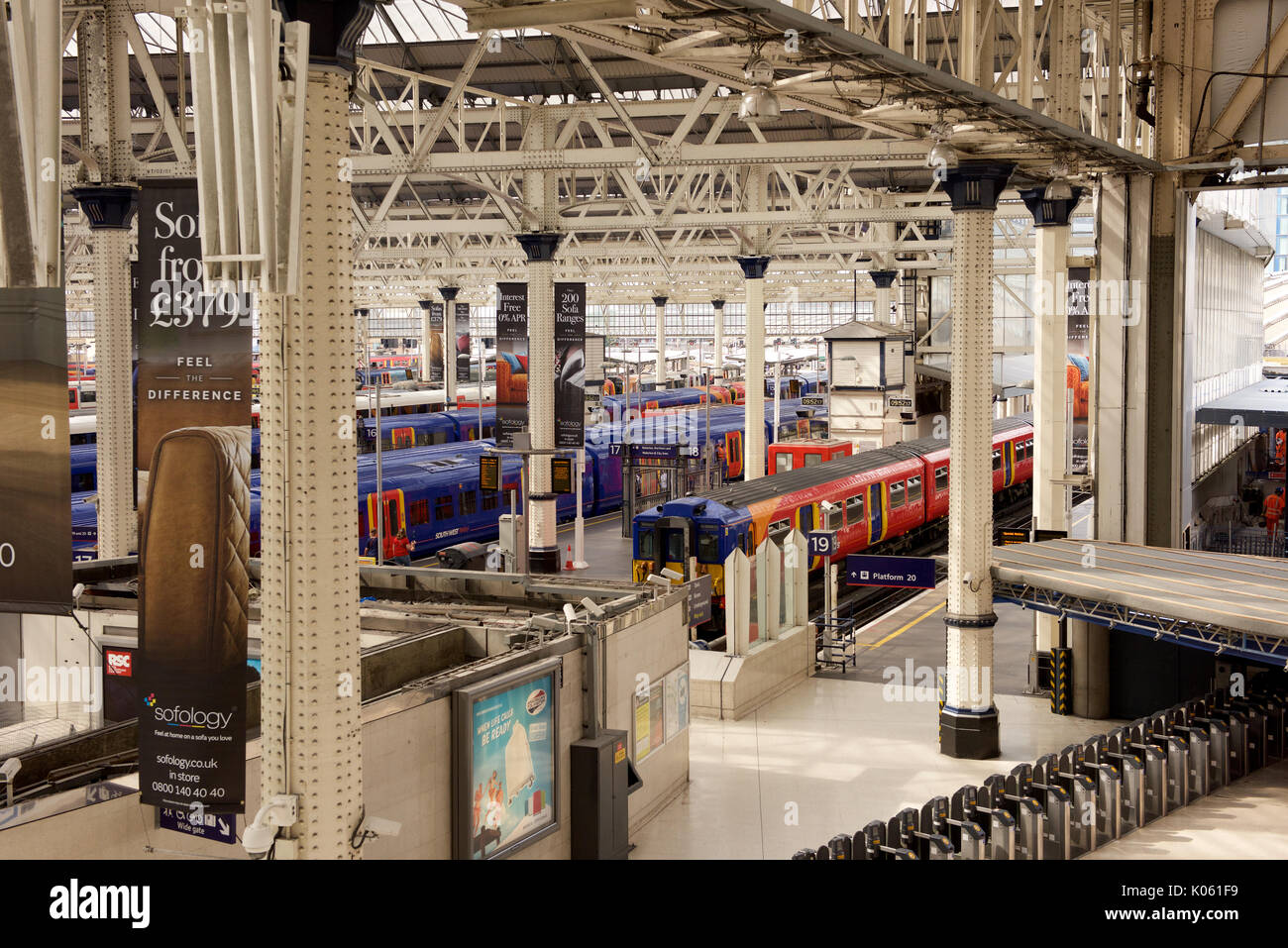
London Waterloo is one of the busiest railway stations in the United Kingdom, serving millions of passengers each year. Its significance lies not just in its historical importance as a major terminus but also in its role within London’s transport network. The station provides essential links to various regions, making it a vital artery for both commuters and tourists visiting the capital.
Current Operations and Services
As of 2023, London Waterloo continues to expand and improve its services. The station connects to destinations such as Surrey, Hampshire, and beyond, with services operated by South Western Railway and other transport operators. Recent upgrades include enhanced facilities, better accessibility options, and increased train frequency during peak hours. Notably, the introduction of more reliable electric trains has improved punctuality, serving over 100 million passengers annually.
Recent Events and Changes
In recent months, the UK government has announced infrastructure investments to further modernise railway services at Waterloo. This includes plans for platform expansion and improvements to passenger amenities. Furthermore, changes in timetabling have seen an increase in direct services to popular destinations like Guildford and Exeter, accommodating a growing number of commuters and leisure travellers alike.
Conclusion and Future Outlook
With ongoing investments and upgrades, London Waterloo’s role in the UK’s railway network will continue to evolve. The station is expected to remain a critical hub for connecting London to other regions while enhancing commuter experiences in the coming years. As travel resumes post-pandemic, the importance of efficient rail services has never been clearer, ensuring that London remains accessible and interconnected for all its inhabitants and visitors.