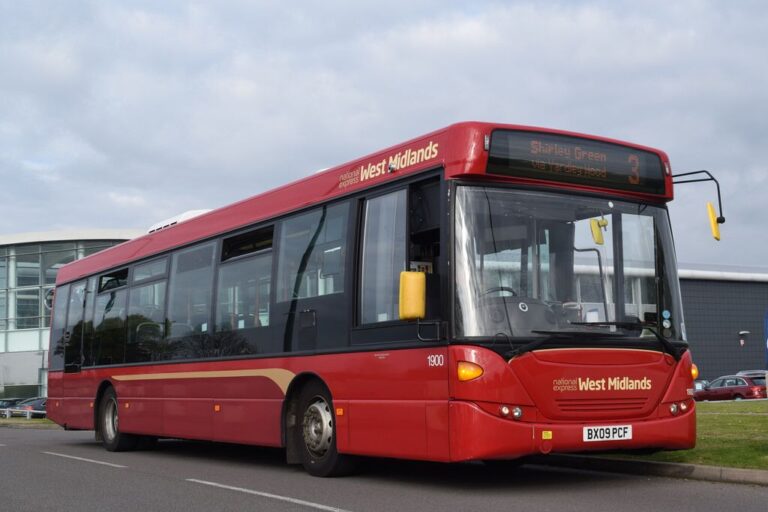
Introduction to Public Service Vehicles
Public Service Vehicles, commonly known as PSV, play a crucial role in the transportation sector of the United Kingdom. These vehicles include buses, coaches, and minibuses that provide public transport services to commuters. Understanding the regulations and importance of PSV is essential for ensuring safe, reliable, and efficient transportation for the public. This topic has gained increased attention as the UK government aims to improve public transport systems in urban areas.
Current Regulations and Standards
PSVs are subject to stringent regulations governing their operation and safety. In the UK, the Public Passenger Vehicle Act of 1981 provides the framework for the licensing and operation of PSVs. Operators must comply with various requirements, from regular vehicle inspections to driver qualifications. The Office of the Traffic Commissioner oversees licensing, ensuring that only qualified operators can provide transport services. Recent developments in 2023 have seen the introduction of more comprehensive training programmes for PSV drivers, reflecting the government’s commitment to enhancing service quality.
Impact of PSV on Local Economies
The presence of PSVs significantly impacts local economies. They not only provide essential services for daily commuters but also contribute to reducing traffic congestion and lowering carbon emissions. According to the Department for Transport, every bus on the road has the potential to take approximately 75 cars off the streets, resulting in a greener environment. Local councils are increasingly partnering with PSV operators to incentivise public transport use, aiming to develop and promote sustainable travel. Collaborative efforts have led to enhancements in routes and increased frequency, addressing commuter needs effectively.
Future of PSV in the UK
As the UK continues to recover from the effects of the COVID-19 pandemic, the future of PSVs appears promising. With various funding initiatives aimed at modernising fleet vehicles and improving passenger services, PSV operators are likely to adopt greener technologies. The government has set ambitious targets for zero-emission vehicles, which will transform the landscape of public transport. As cities focus on sustainability, the role of PSVs is anticipated to become even more vital in reducing urban traffic levels and promoting public transport usage.
Conclusion
Public Service Vehicles are essential to the transportation infrastructure of the UK. With ongoing regulatory developments and a push towards greener alternatives, the PSV sector is poised for transformation. For the public, this means not only improved services but also a commitment to more sustainable travel options. As we look to the future, the significance of PSVs will only grow, reinforcing their role in fostering an efficient and effective public transport system.