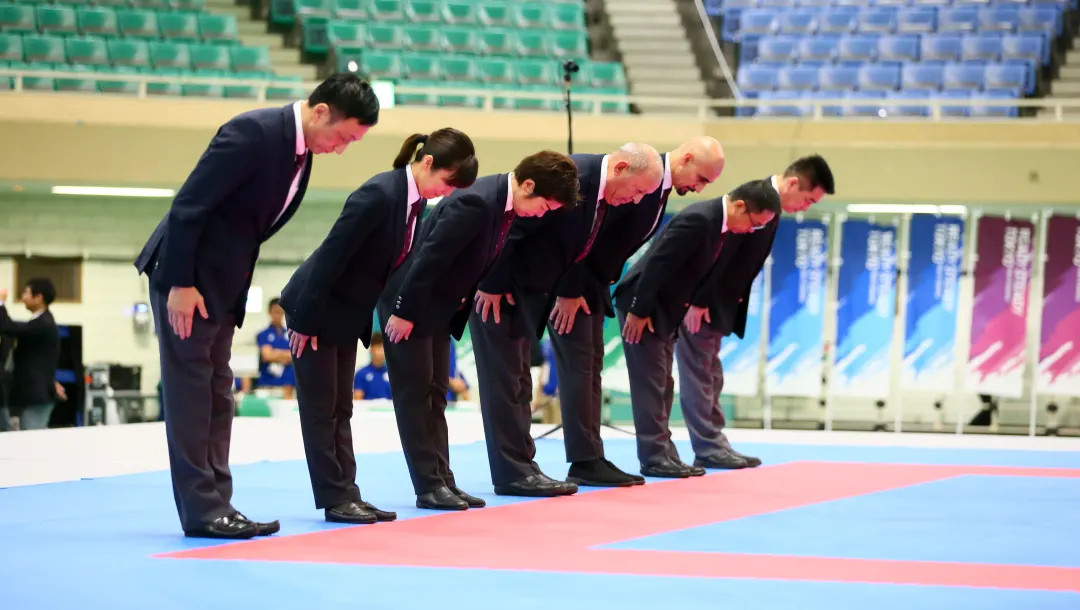
Understanding the Role of Referees
Referees play a vital role in the world of sports, serving as the authoritative figures who enforce game rules, ensure fair competition, and uphold the integrity of various sporting events. Their presence is essential not only for the players and teams involved but also for the spectators who enjoy the games. With the increase in scrutiny over refereeing decisions, it has become more important than ever to appreciate and understand their responsibilities.
Responsibilities of Referees
Referees are tasked with enforcing the rules of the game, making critical decisions that can impact the outcome of matches. Their duties include monitoring gameplay for fouls, offsides, and other infractions, as well as managing players’ conduct to prevent unsportsmanlike behaviour. Referees must possess a deep understanding of the sport they officiate and be able to make quick, accurate decisions often under extreme pressure.
Challenges Faced by Referees
Referees face numerous challenges, especially in high-stakes matches where the pressure can be immense. They are frequently subject to criticism from players, coaches, and fans, which can affect their performance and morale. Recent instances, particularly in football and rugby, have highlighted the increase in abusive behaviour towards officials, prompting many sports organisations to implement initiatives aimed at protecting referees from harassment.
Technological Advancements in Officiating
In recent years, technology has started to play a significant role in officiating. Systems such as VAR (Video Assistant Referee) in football and TMO (Television Match Official) in rugby have been introduced to assist referees in making better-informed decisions. Although these technologies have been met with mixed reactions, they are indicative of a shifting paradigm that seeks to enhance accuracy and fairness in officiating.
The Future of Refereeing
As sports evolve, so too does the role of referees. The potential for further integration of technology in officiating may offer solutions to some of the challenges they face. Training programs are increasingly emphasizing mental and emotional resilience, preparing referees not just physically but also psychologically for the demands of the job. Looking forward, continued discussions surrounding respect for officials and potential improvements in training and technology could help cultivate a more positive environment for referees.
Conclusion
The role of referees in sports is indispensable, acting as the guardians of fairness and integrity in competitions. Their decisions, which can often be decisive moments in games, deserve respect and understanding. As technology continues to shape the landscape of sports officiating, the ongoing development in referee training and support will be crucial in fostering a respectful environment. The future of refereeing remains bright, promising improvements that will enhance the experience for players and fans alike.