Introduction
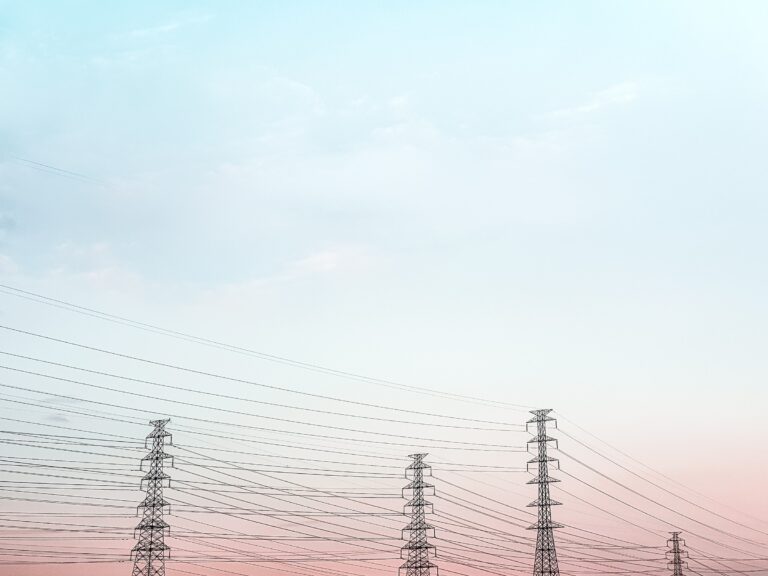
The National Grid is a vital component of the UK’s electricity and gas supply network, providing energy to homes, businesses, and industries across the nation. With the increasing challenges posed by climate change and the transition to renewable energy, understanding the National Grid’s role and its developments is more important than ever. It ensures security of supply, facilitates energy trading, and plays a key part in achieving the UK’s net-zero emissions target by 2050.
Recent Developments
In the past year, the National Grid has faced multiple challenges, including fluctuating energy demands and the integration of renewable energy sources. According to the National Grid Electricity System Operator (ESO), on 30 March 2023, the UK achieved its first day without using coal for energy generation since the Industrial Revolution, showcasing the successful reduction in fossil fuel reliance. This significant achievement has been complemented by a rise in wind and solar power, which together accounted for a record 72% of electricity generation during peak times.
Investment in Infrastructure
To support this shift towards sustainable energy, the National Grid is investing heavily in its infrastructure. Recent reports indicate planned investments of over £40 billion over the next decade to enhance transmission networks, modernise existing grid facilities, and develop energy storage solutions. These investments are crucial in facilitating the anticipated increase in electric vehicle usage, which is projected to reach over 10 million by 2030, and in supporting the expansion of industries reliant on clean energy.
Challenges Ahead
Despite significant progress, challenges remain. One persistent issue is understanding and managing peak energy demands, particularly during cold winters and heatwaves. The National Grid must balance supply and demand while ensuring the system’s reliability. Additionally, the integration of distributed energy resources—like home solar panels—into the grid continues to pose technical and regulatory challenges. The National Grid is actively working on solutions through digitalisation and smart technology to enhance flexibility and robustness.
Conclusion
In summary, the National Grid is at the forefront of the UK’s transition to a sustainable energy future. Its ongoing developments and investments not only secure the nation’s energy supply but also position the UK as a leader in energy innovation. As climate goals tighten, the role of the National Grid will only grow in significance, ensuring that it meets the evolving energy demands of the population while supporting the ambitious decarbonisation targets set forth by the government.