Introduction
In today’s rapidly changing climate, accurate weather forecasting is more crucial than ever. One of the most significant tools employed by meteorologists to predict weather conditions is the weather radar map. These maps provide real-time data about precipitation, storms, and other atmospheric phenomena, making them essential for both personal safety and economic planning.
What is a Weather Radar Map?
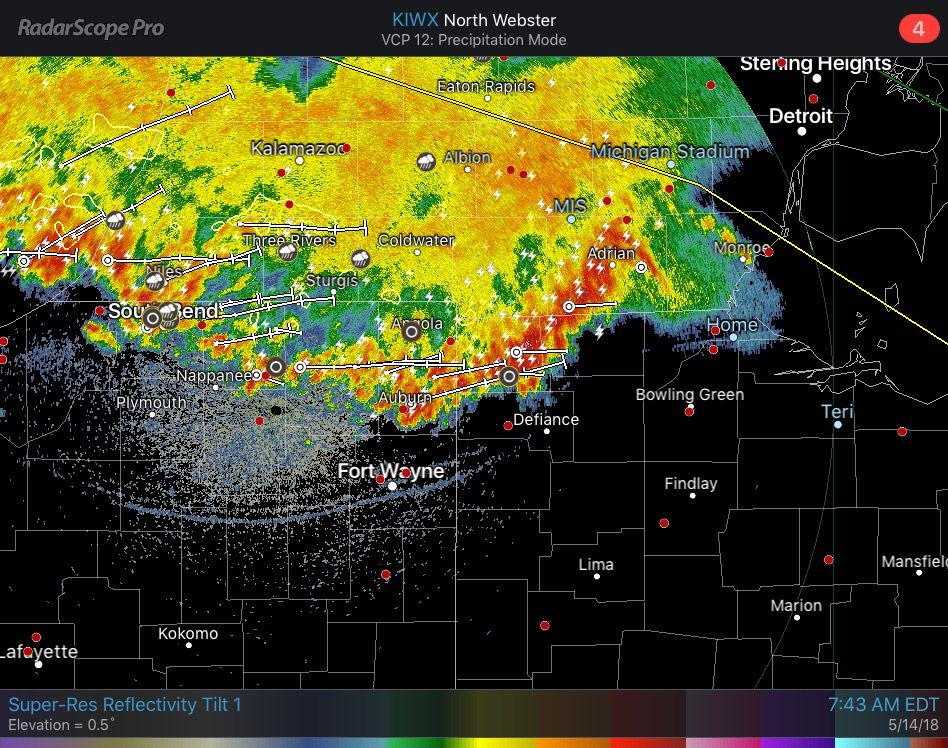
A weather radar map displays information collected by radar systems that detect precipitation, wind, and storms in the atmosphere. The technology uses radio waves to determine the location and intensity of rain, snow, or hail, providing vital data on weather patterns. The maps are colour-coded to indicate varying intensities of precipitation, helping users understand the current weather conditions in a specific area.
Current Developments in Weather Radar Technology
Recent advancements in radar technology, such as dual-polarization radar, enhance the ability to differentiate between types of precipitation, track storm movement, and predict severe weather events with greater accuracy. National Weather Service (NWS) radar networks across the UK report that these advancements have significantly reduced the incidence of false alarms, increasing public trust in weather warnings.
Furthermore, the integration of satellite data with radar maps allows for a more comprehensive view of weather systems, enabling meteorologists to issue timely warnings for severe phenomena such as torrential rain or tornadoes. With events like Storm Babet recently impacting parts of the UK, the importance of accurate weather radar maps has been underscored.
Impact on Daily Life and Safety
For many, understanding and interpreting weather radar maps have become part of daily routine, especially for those in industries heavily reliant on weather conditions, such as agriculture and transportation. Farmers can plan their sowing and harvesting around rainfall predictions, which can significantly impact yield and profit.
Additionally, these maps play an essential role in emergency services. During severe weather events, local authorities rely on precise data from radar maps to implement evacuation plans and mobilise resources effectively.
Conclusion
As technology continues to evolve, the significance of weather radar maps will only increase. The capability to obtain timely and precise weather information can lead to better preparedness for adverse weather conditions, ultimately saving lives and reducing economic losses. Looking ahead, innovations in radar technology promise even more detailed insights into weather behaviour, enhancing our ability to predict and respond to the ever-changing climate.