Introduction
The Insurrection Act of 1807 is a critical piece of legislation in the context of American governance and civil unrest. Designed to empower the President to call upon the military to quell civil disorder, the Act has profound implications for federal authority and public safety. Its relevance has surged in contemporary discussions, particularly around protests, civil rights movements, and national security.
Historical Overview
Initially enacted by President Thomas Jefferson, the Insurrection Act allows the federal government to intervene during insurrections or domestic disturbances that state and local authorities cannot control. The Act was first invoked during the War of 1812, and its application has evolved over time, adapting to the nation’s changing social and political landscape.
Notable usages of the Insurrection Act include President Eisenhower’s deployment of troops to enforce school desegregation in Little Rock, Arkansas, in 1957, and President Lyndon B. Johnson’s call-up of federal forces during the civil unrest of the 1960s.
Recent Events and the Act’s Controversy
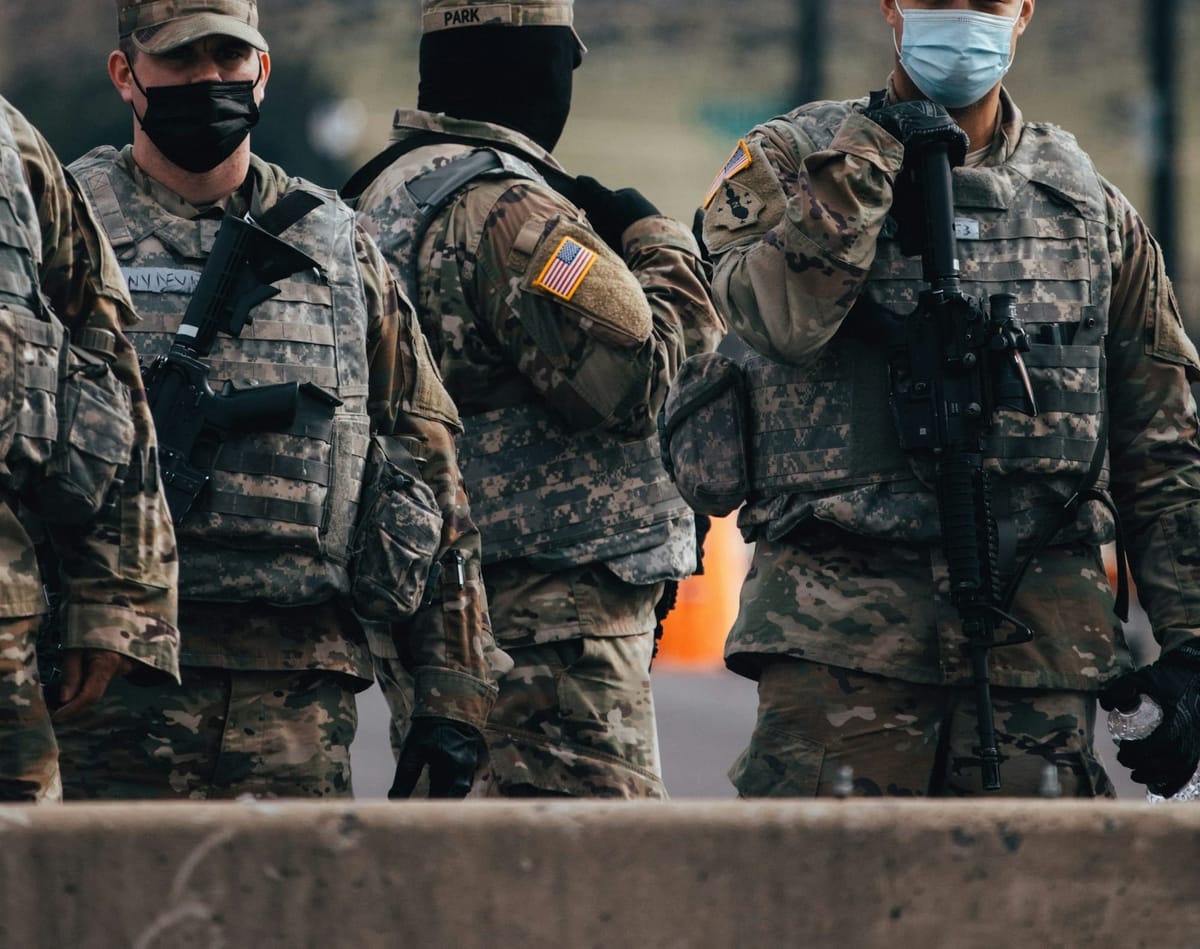
The act gained renewed attention during the summer of 2020 as protests erupted across the country in response to police brutality and racial injustice. Dreaming of a more robust federal response, then-President Donald Trump threatened to invoke the Insurrection Act amidst widespread civil unrest.
This potential invocation sparked intense debate about the delicate balance between maintaining public order and preserving civil liberties. Critics argued that deploying federal troops could exacerbate tensions, leading to further violence and a deterioration of trust between communities and law enforcement.
Legal and Political Implications
Legal experts note that while the Insurrection Act grants significant authority to the presidential office, it must be exercised judiciously. The Act is underpinned by the constitutional expectation that local authority should primarily handle issues of civil unrest, making federal intervention a measure of last resort.
Recent discussions further highlight the need for clarity regarding the Act’s parameters to prevent its potential misuse in politically charged situations. The ongoing debate reflects a broader conversation about authority, rights, and the role of federal government in local matters.
Conclusion
The Insurrection Act of 1807 remains a pertinent element of U.S. law amidst evolving civil landscapes. As tensions rise in various corners of society, the implications of invoking the Insurrection Act warrant careful consideration. Future discussions should focus not only on the legal authority granted by this Act but also on its impact on civil rights and the principles of democracy.