Introduction
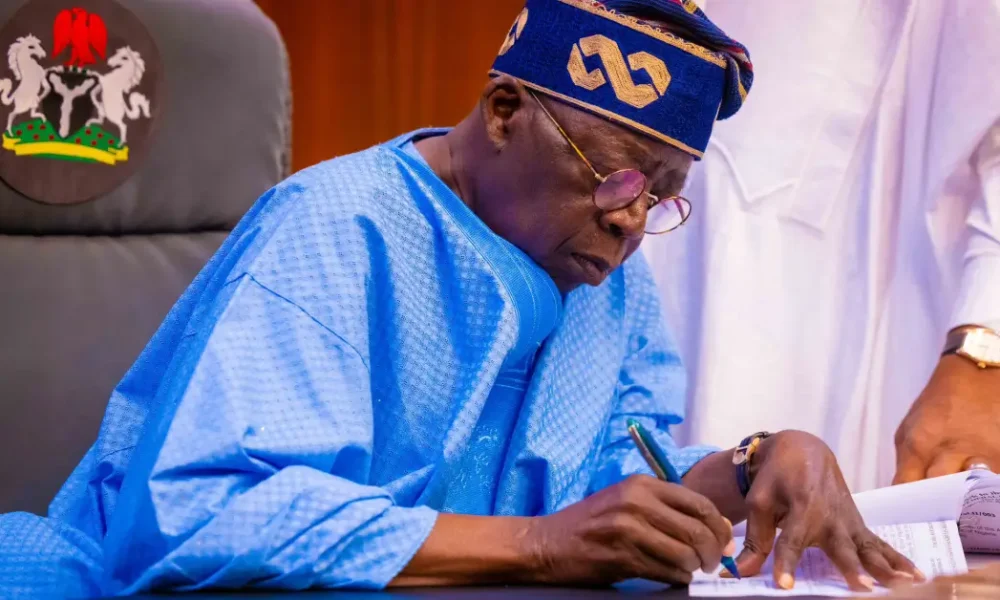
As the newly elected president of Nigeria, Bola Ahmed Tinubu’s administration marks a pivotal moment in the nation’s political and economic landscape. His leadership carries significant implications for the direction Nigeria will take, particularly in addressing long-standing issues such as security, the economy, and governance. Understanding President Tinubu’s vision and policies is crucial for citizens and international observers alike.
Background and Election
Bola Ahmed Tinubu, a former governor of Lagos State, was elected president in the February 2023 elections. His party, the All Progressives Congress (APC), campaigned on promises of economic rejuvenation, security enhancements, and anti-corruption measures. Following a deeply contested election with over 20 million votes, his presidency was confirmed amidst allegations of electoral malpractice, which have sparked ongoing debates about the integrity of the electoral process in Nigeria.
Key Policies and Initiatives
Since taking office, President Tinubu has rolled out key initiatives in several sectors. His administration has focused on improving the economy by introducing reforms aimed at attracting foreign investment and boosting local production. Notably, he announced the ‘Nigerian Economic Recovery Plan’ targeting inflation and unemployment rates through investment in infrastructure and technology.
In terms of security, Tinubu’s government faces a daunting task, with various security challenges ranging from Boko Haram insurgency in the Northeast to banditry and kidnapping in the North. His administration has pledged to enhance military and policing capabilities alongside community engagement initiatives.
Challenges and Criticisms
Despite his ambitious agenda, President Tinubu’s administration has not been without challenges. Critics have pointed to the rising cost of living and ongoing fuel scarcity as direct tests of his policies. Protests have emerged in several cities as citizens express frustration with economic hardships and security lapses. Furthermore, there are concerns regarding transparency and corruption in his cabinet, which could undermine public trust.
Conclusion
President Tinubu’s early presidency is shaping up to be a critical juncture for Nigeria, one that will test both his leadership and the resilience of the nation. As he implements his policies, the response of the populace and the effectiveness of his administration will significantly influence Nigeria’s path forward. The global community is watching closely, as Nigeria is a key player in West Africa whose stability has broader regional implications. The success of President Tinubu could thus not only transform his country but also contribute to a more stable and prosperous future for the region.