Introduction
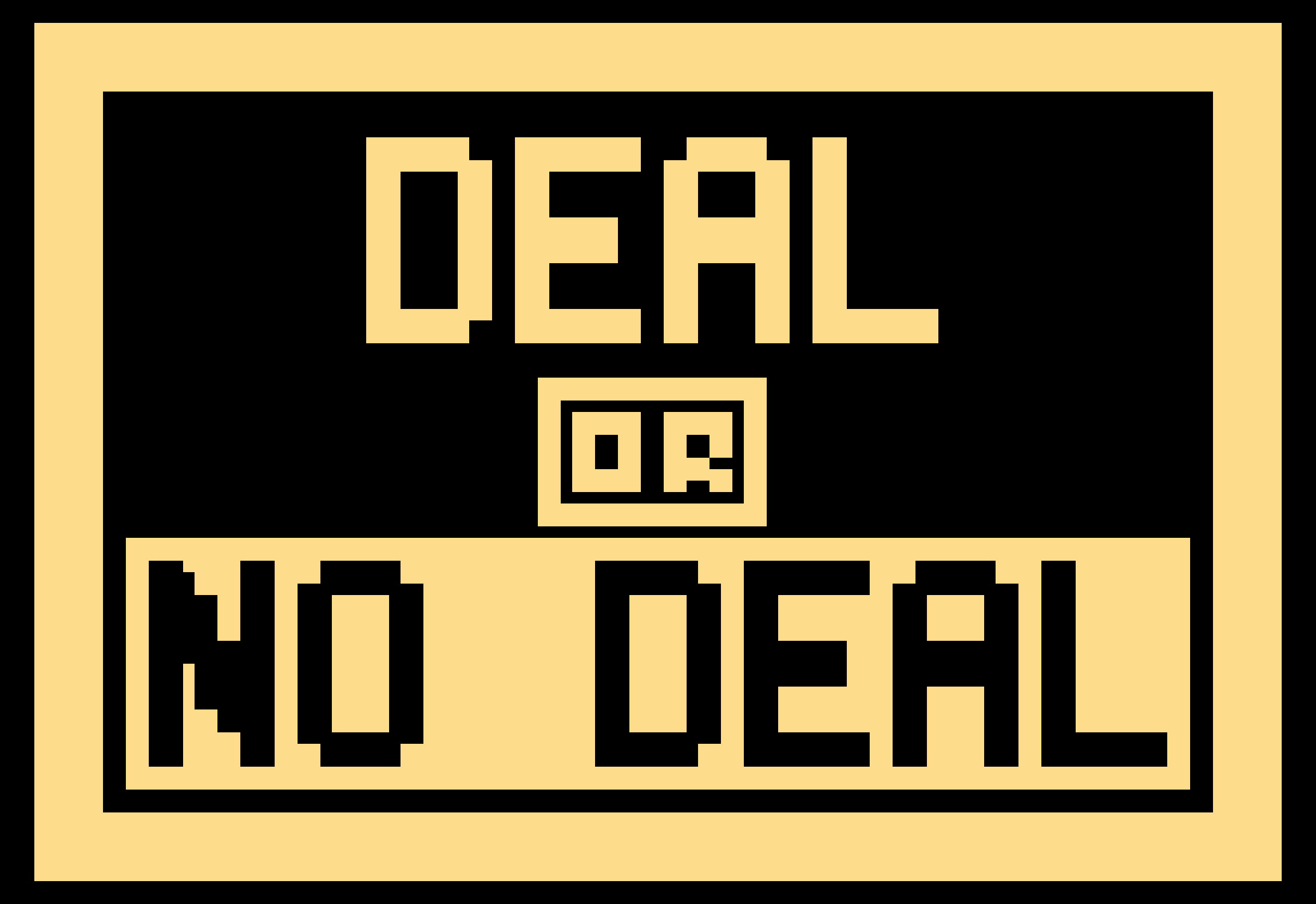
Deal or No Deal, the renowned game show that first captivated audiences in the early 2000s, remains a significant part of popular culture today. Its unique format, which combines chance and decision-making, not only entertained millions but also sparked conversations about risk and reward. With recent adaptations and fan resurgence, the show’s relevance endures, making it a topic worth exploring.
Recent Developments
In recent months, the popularity of Deal or No Deal has surged with its return to various television networks around the world. The UK version has seen a revival on ITV with new episodes featuring celebrity contestants for charity, introduced by host Stephen Mulhern. This iteration has generated significant viewer engagement, raising substantial funds for various good causes.
In addition to traditional broadcasts, the format has evolved with the advent of digital and streaming platforms. Some countries, like the Philippines, have launched mobile apps allowing users to experience the thrill of the game on their devices. This move not only broadens the show’s reach but also modernises its approach to audience engagement.
The Cultural Impact
Deal or No Deal has influenced other game shows and entertainment aspects significantly. Its premise of having contestants face the ‘banker’ creates drama and suspense, leading to unforgettable television moments. The show’s catchphrases and iconic imagery have permeated pop culture, inspiring references in various media and discussions about game strategy among viewers.
Conclusion
The enduring appeal of Deal or No Deal demonstrates the show’s significance within the television landscape. As new formats emerge and relevant adaptations continue, audiences remain intrigued by its blend of luck and strategy. It is anticipated that the show will keep captivating audiences with fresh concepts and adaptations, solidifying its position as a staple of game show entertainment. For fans and new viewers alike, Deal or No Deal remains a fascinating reflection of society’s approach to risk and reward.