Introduction
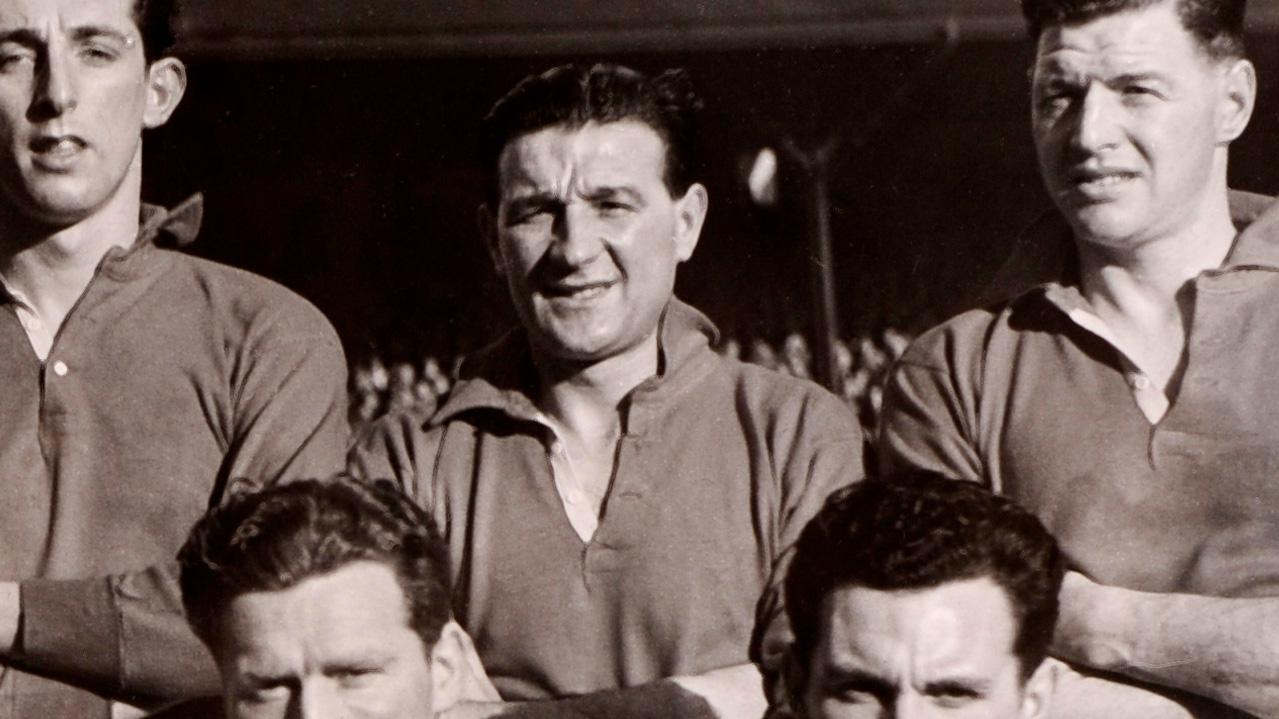
Bob Paisley remains a towering figure in the history of football, not only for his remarkable success with Liverpool Football Club but also for his profound influence on the game itself. As the only manager to achieve three European Cups with a single club, Paisley’s legacy is celebrated by fans, players, and football historians alike. His career is particularly relevant today as teams strive to replicate his innovative approaches to management and tactics.
Career Highlights
Paisley joined Liverpool in 1939, initially as a player, but it was his managerial career that would define his legacy. Taking over from Bill Shankly in 1974, Paisley led Liverpool to unprecedented success, securing six league titles and the aforementioned three European Cups in 1977, 1978, and 1981. His ability to identify and nurture talent was instrumental, as he famously transitioned the club from the Shankly era to one that dominated English and European football.
Under Paisley’s management, Liverpool also distinguished itself for its attacking style of play, combined with a solid defensive foundation. Players like Kenny Dalglish and Ian Rush flourished under his guidance, contributing to the club’s golden era. Moreover, his pragmatic and scientific approach to training paved the way for modern football coaching strategies.
Impact and Legacy
Upon his retirement in 1983, Paisley left an indelible mark on the club and the sport. He was not just a manager but a mentor, helping to instil the values of resilience and teamwork. His approach has influenced generations of coaches and players, rendering him a pivotal figure in football. Additionally, on his passing in 1996, tributes poured in from around the world, underscoring his impact beyond Liverpool and into the broader football community.
Current Relevance
Today, as clubs look to rekindle the competitive spirit and success reminiscent of the Paisley years, his methods of player management and team cohesion remain relevant. With Liverpool currently working to return to their former glory in the Premier League and European competitions, the emphasis on unity and resilience resonates with Paisley’s philosophies.
Conclusion
Bob Paisley’s legacy surpasses mere statistics and trophies; it encapsulates a vision of teamwork, dedication, and innovation that continues to inspire football clubs today. His strategies not only shaped Liverpool’s identity but also contributed significantly to the evolution of football management. As the sport further develops, the footprints of great managers like Paisley will undoubtedly remain a guiding force for future generations.