Introduction
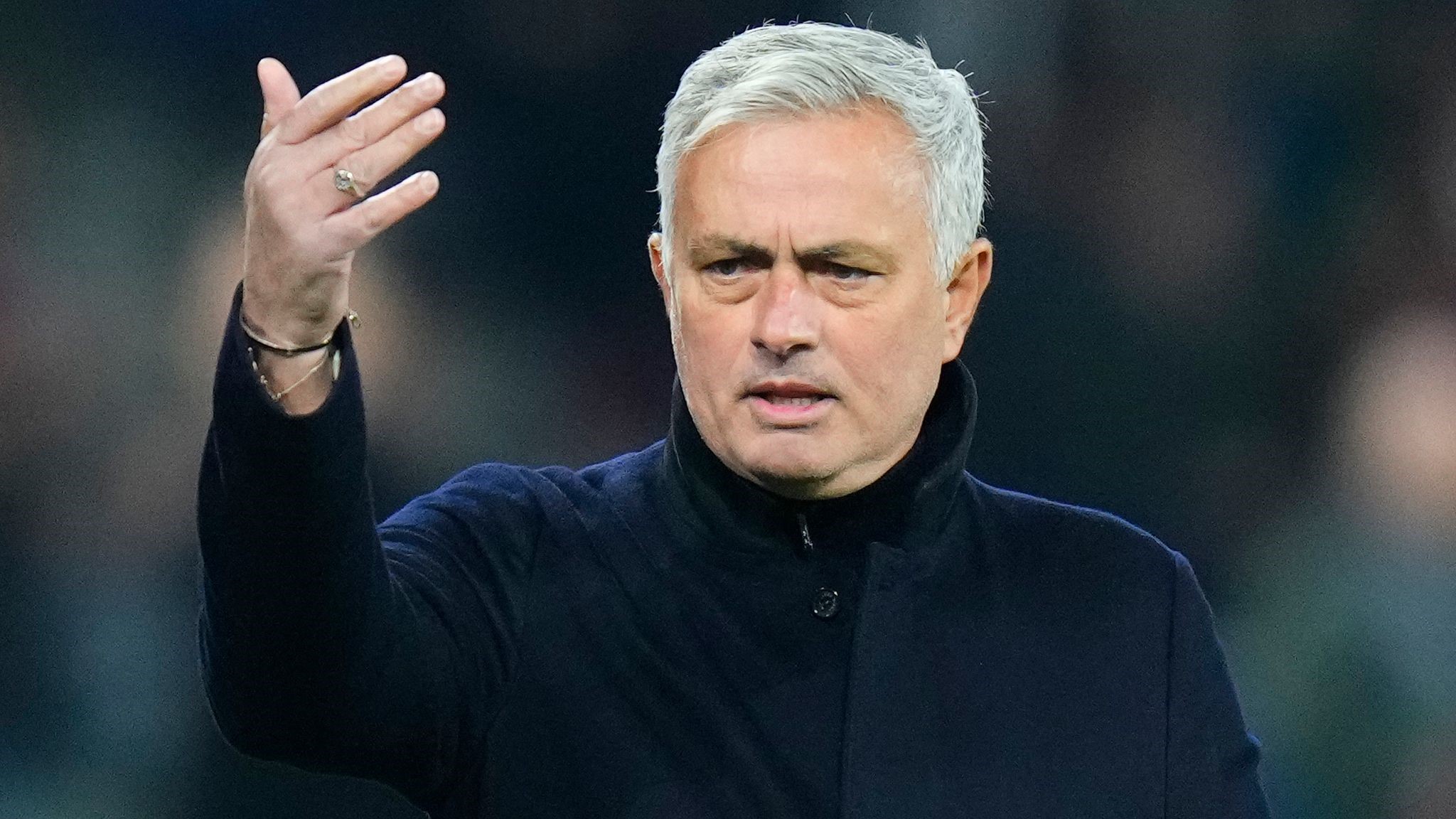
Jose Mourinho, one of the most recognisable names in football management, has made a significant impact on the sport with his innovative tactics and robust personality. His coaching career, which began in the early 2000s, has seen him lead some of the most prestigious clubs, including Chelsea, Real Madrid, and Manchester United. As of 2023, Mourinho is at the helm of AS Roma in Italy’s Serie A, where he continues to shape the landscape of football management.
Recent Achievements
Under Mourinho’s leadership, AS Roma secured the UEFA Conference League trophy in 2022, marking a historic achievement as it was the club’s first major European title. This win not only solidified Mourinho’s reputation as a successful manager but also raised the profile of the club on the international stage. In the 2022-2023 season, AS Roma has shown strong performances, with Mourinho instilling a determined and competitive spirit within the squad. His emphasis on structured play and tactical discipline has seen the team contend for top positions in Serie A.
Coaching Philosophy
Mourinho is known for his pragmatic approach to football, focusing on defensive solidity, effective counter-attacks, and game management. His famous phrase, ‘We are not here to play beautiful football, we are here to win,’ encapsulates his mindset. This philosophy has attracted both admiration and criticism. However, many of his peers acknowledge his ability to adapt tactics according to the players available and the situation at hand.
Challenges and Controversies
Despite his successes, Mourinho has faced challenges and controversies throughout his career. His intense personality and often confrontational style have led to strained relationships with players and club officials. While some players thrive under his guidance, others have struggled, leading to mixed reviews on his management style. Recent reports have indicated tensions within the AS Roma squad, especially concerning game selections and player performances.
Conclusion
Jose Mourinho’s influence on football remains undeniable, and his ongoing career continues to generate interest and debate. As he approaches the twilight of his managerial journey, fans and critics alike watch closely to see how he will navigate the pressures of modern football. His ability to evolve and adapt while maintaining his core principles will be crucial for his continued relevance in the sport. Ultimately, Mourinho’s legacy will be defined not just by trophies but by his profound impact on players, clubs, and football methodology.