Introduction
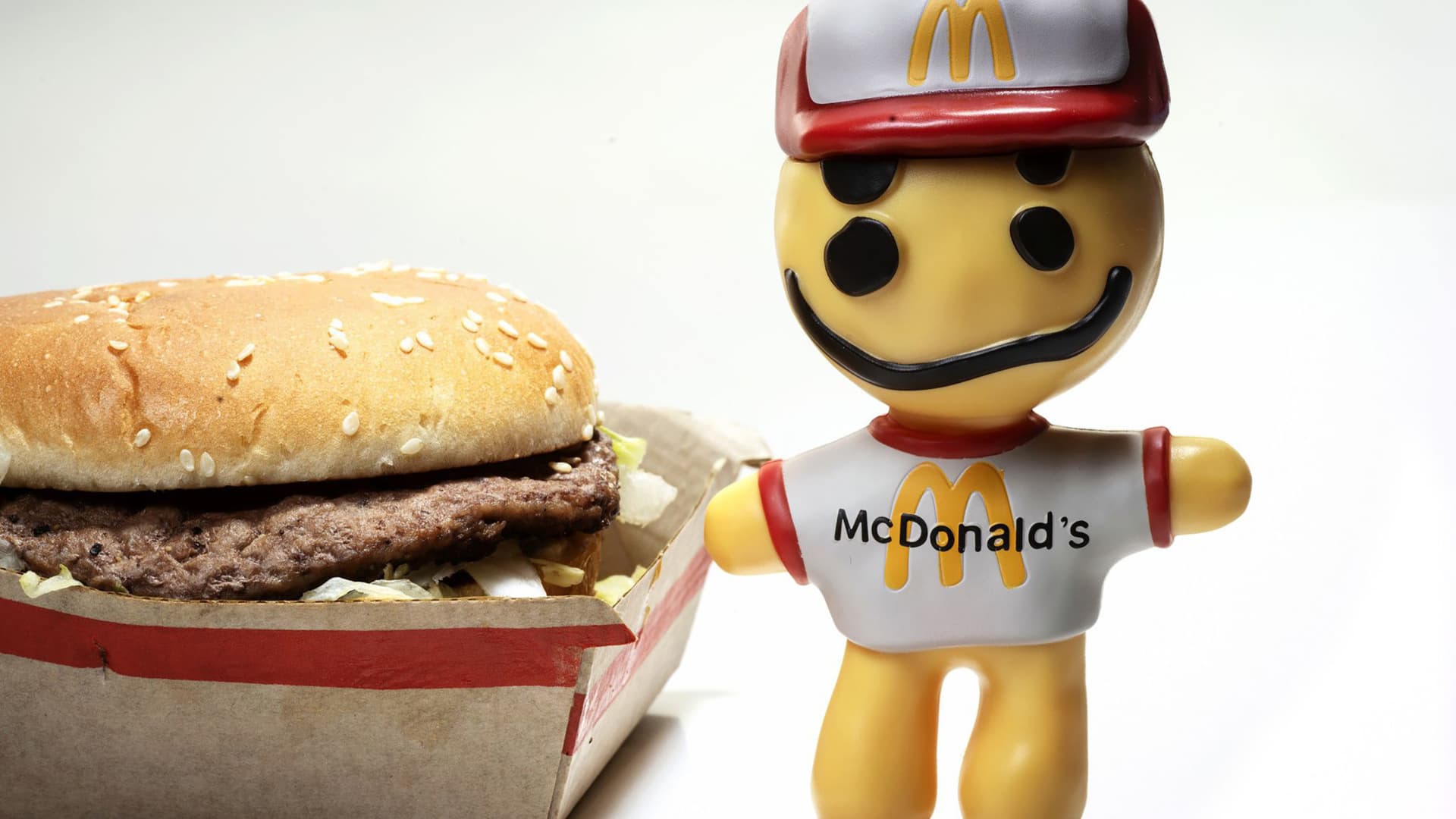
The McDonald’s Happy Meal has been an iconic part of the fast-food landscape since its introduction in 1979. Aimed primarily at children, the Happy Meal combines food and fun, making it not only a meal option but also an engaging experience. As families continue to seek convenient and enjoyable dining solutions, the relevance and popularity of the Happy Meal endure, sparking conversations around nutrition, marketing, and the role of fast food in children’s lives.
The Evolution of the Happy Meal
Initially launched in the United States, the Happy Meal quickly became a hit thanks to its creative marketing and appealing toys. Its structure—featuring a main meal, a drink, a dessert, and a toy—was designed to promote a sense of excitement for young diners. Over the decades, the offerings have evolved, with a focus shifting towards healthier options in response to increasing concerns over childhood obesity. In recent years, McDonald’s has started to include apple slices and low-fat milk as alternatives to fries and sugary drinks.
Current Trends and Initiatives
As of 2023, McDonald’s has intensified its efforts to provide a balanced meal experience. The introduction of the ‘Happy Meal Goals’ campaign reflects a commitment to improving the nutritional quality of Happy Meals. The company now aims to reduce calories and sodium in the meals while ensuring that children still get to enjoy their favourite flavours. Furthermore, the collaboration with popular franchises, including current hits from animated films and cartoons, continues to attract younger audiences and keep the Happy Meal relevant in a competitive market.
Conclusion
The McDonald’s Happy Meal remains a significant player in the fast-food industry, catering to families by blending the appeal of toys with meals. As it adapts to societal shifts towards healthier eating, its legacy and impact continue to be discussed among parents, educators, and health professionals. Looking ahead, McDonald’s commitment to nutrition and a focus on family-friendly marketing are likely to shape the future of the Happy Meal. These adaptations will be crucial in ensuring that the Happy Meal retains its charm while fulfilling the evolving needs of families.