Introduction
The recent decision by the NHS watchdog regarding Tecartus has significant implications for the future of cancer treatment in the UK. As the first CAR-T therapy approved for treating mantle cell lymphoma, Tecartus represents a crucial advance in personalised medicine. The ruling underscores the ongoing evaluation of cutting-edge therapies in the NHS and highlights the need for incorporating innovative solutions to combat challenging diseases.
Details of the Decision
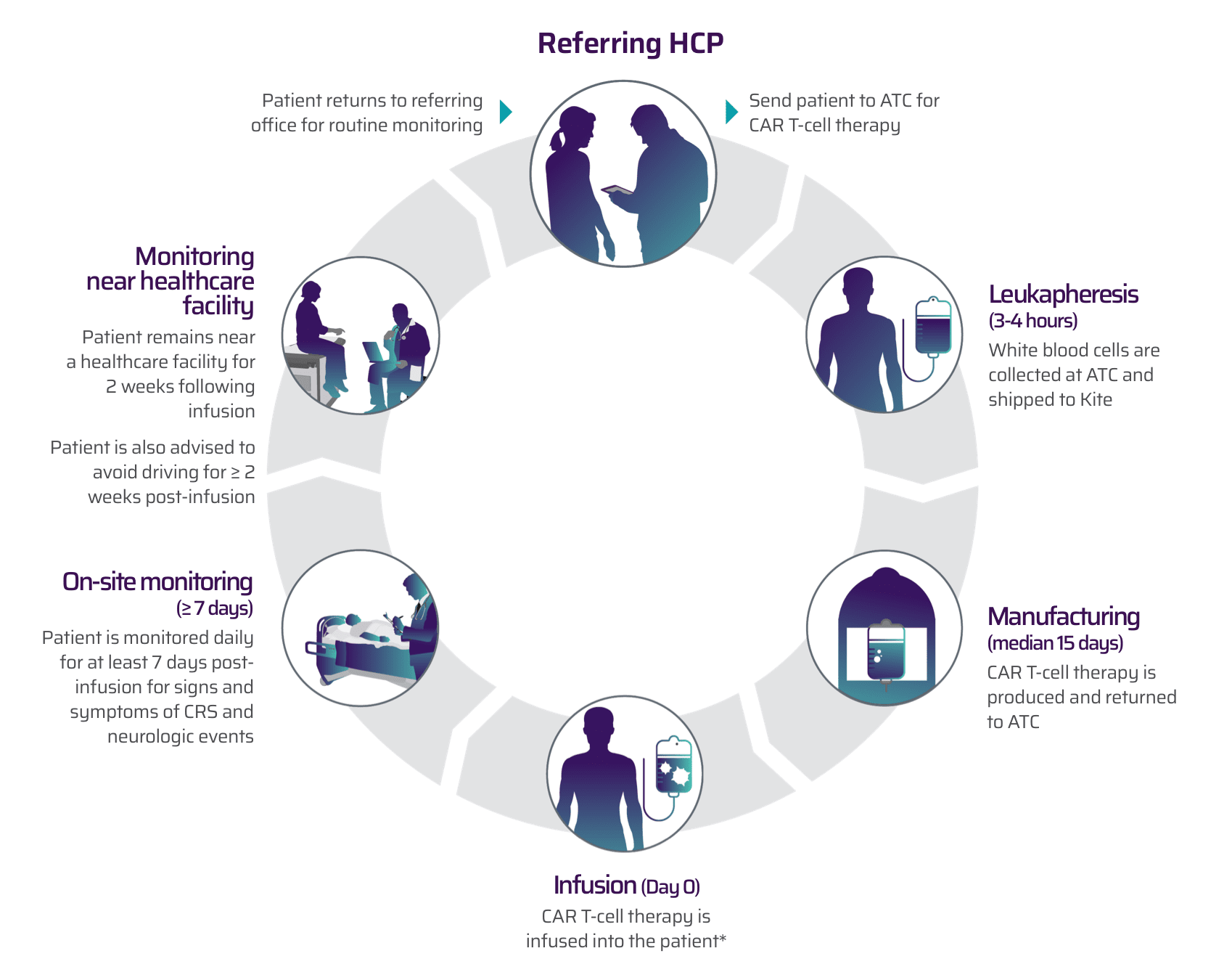
The National Institute for Health and Care Excellence (NICE) announced its recommendation for Tecartus earlier this month. This decision allows patients diagnosed with relapsed or refractory mantle cell lymphoma to access this breakthrough therapy after standard treatments have failed. Tecartus is a form of CAR-T cell therapy, which involves modifying a patient’s T-cells to effectively target cancer cells.
Background on Tecartus
Tecartus, developed by Kite Pharma, has shown promising results in clinical trials, with significant improvements in patient outcomes. It is designed for adult patients and works by reprogramming the patient’s immune system to attack cancer more effectively. Before NICE’s approval, access to Tecartus in the UK was limited, meaning many patients had to seek treatment options abroad.
Patient and Healthcare Impact
The NHS watchdog’s ruling is likely to be a game-changer for hundreds of lymphoma patients across the UK. With this therapy now available, healthcare providers and patients alike are expected to experience enhanced treatment pathways. According to analysis by NHS leaders, the introduction of Tecartus could lead to a reduction in hospitalisations due to the severity of lymphomas, providing not only health benefits but also financial advantages to the NHS.
Conclusion
The NHS watchdog’s decision to endorse Tecartus illustrates the organisation’s commitment to expanding access to innovative treatments while ensuring they are clinically and economically viable. As patient outcomes improve with access to this therapy, it may pave the way for further advancements in CAR-T and other breakthrough therapies in the future. The implications for patients battling mantle cell lymphoma are profound, emphasising a pivotal moment for the treatment landscape in the UK.