Introduction
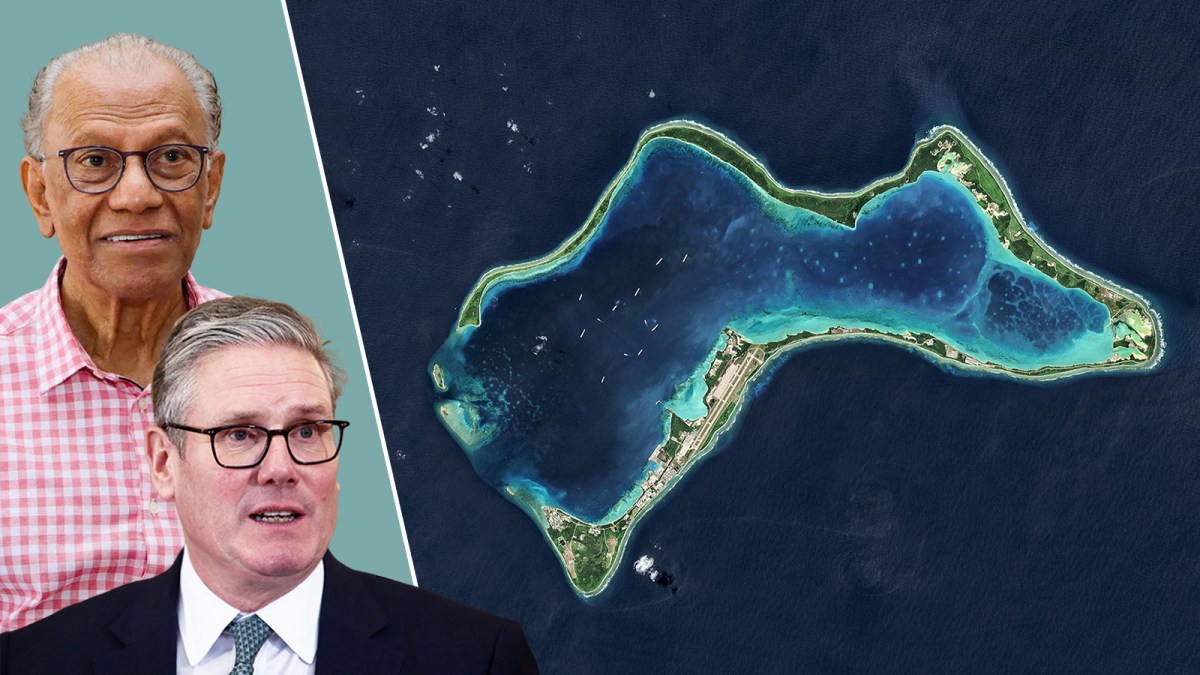
The Chagos Archipelago, located in the Indian Ocean, has been at the centre of a complex geopolitical dispute for decades. The significance of Chagos extends beyond its azure waters, as it embodies the interplay of colonial legacy, international law, and human rights. The archipelago is particularly relevant due to its history of forced displacement of its indigenous population and ongoing tensions between the UK, Mauritius, and the United Nations.
Historical Context
In the 1960s, the UK government removed the islanders, known as Chagossians, to establish a military base on Diego Garcia, one of the island’s key locations. This base has grown crucial for US military operations, particularly during conflicts in the Middle East. While the UK maintained control over the islands, it did so at the cost of the Chagossians, who were left without a homeland.
International Response
The situation gained international attention, especially after the UN General Assembly passed a resolution in 2019 demanding that the UK return sovereignty of the islands to Mauritius, condemning the manner in which the Chagossians were removed. The International Court of Justice (ICJ) also ruled that the UK’s administration of the islands is illegal under international law, strengthening calls for decolonisation.
Current Developments
Recently, the UK government reiterated its claim over the Chagos Archipelago, insisting that it will uphold its sovereignty. This has led to criticisms from various human rights organisations and continued protests from former residents and their descendants, who seek the right to return. Meanwhile, Mauritius continues to assert its claim, advocating for the rights of the displaced Chagossian community in international forums.
Conclusion
The future of the Chagos Archipelago remains uncertain. As the legacies of colonialism are scrutinised worldwide, this dispute encapsulates ongoing challenges in addressing historical injustices. The resolution of the Chagos issue is vital not only for its indigenous population but also as a potential marker of how nations engage with the principles of self-determination and territorial integrity. Without significant changes, the Chagossians may remain in a state of limbo, with their fight for justice continuing against the backdrop of geopolitical interests.