Introduction
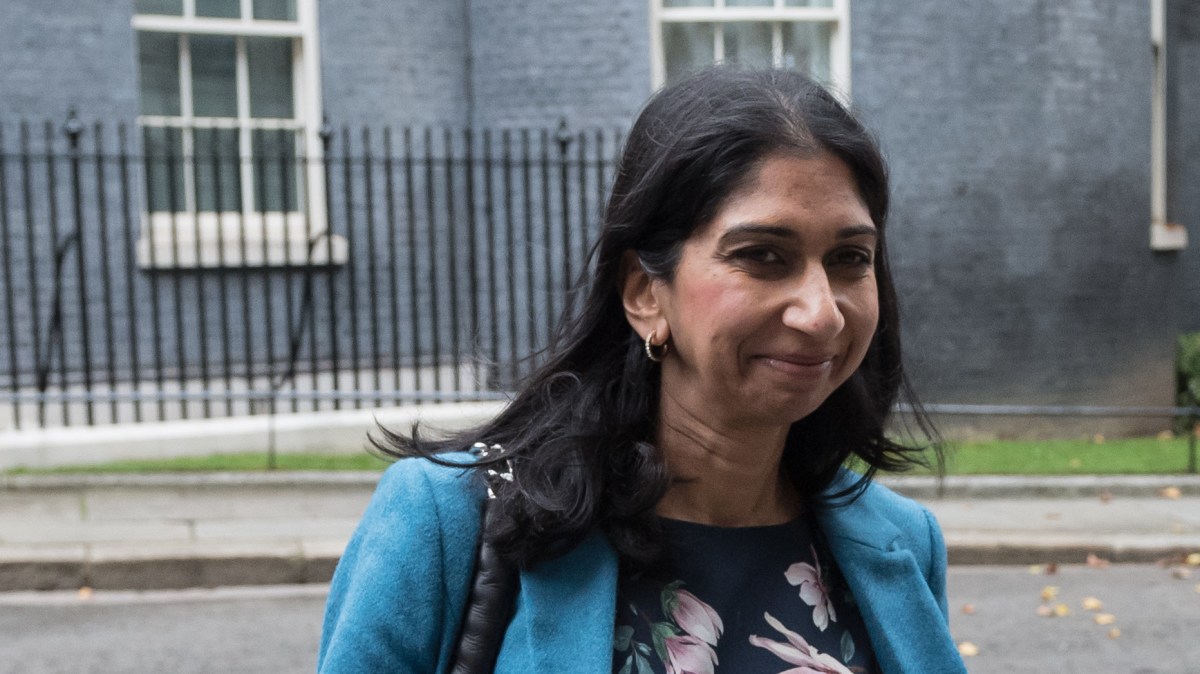
Suella Braverman, the current UK Home Secretary, plays a significant role in shaping the country’s immigration policies and law enforcement. As a prominent figure in the Conservative Party, her decisions directly impact numerous aspects of British life, including national security and public welfare. Understanding her influence is crucial, particularly at a time when the UK faces challenges surrounding immigration, crime, and public safety.
Braverman’s Political Journey
Braverman was appointed Home Secretary in September 2022, succeeding Priti Patel. Since taking on the role, she has been a vocal advocate for stricter immigration controls. Her approach aligns with the government’s strategy to curb illegal immigration, particularly in light of the rising number of small boats crossing the English Channel. Statistics show that over 45,000 people reached the UK by this method in 2022, making it a pressing issue for the government.
Key Policies and Initiatives
One of Braverman’s notable initiatives is the proposed government plan to send asylum seekers to Rwanda, aimed at deterring dangerous crossings. Although the plan faced legal challenges and criticism from various human rights organisations, it reflects her steadfast commitment to tough immigration policy. Furthermore, she has supported increased funding for police forces to combat rising crime rates, reinforcing the government’s focus on public safety.
Controversies and Challenges
Braverman’s tenure has not been without controversy. Her statements have sparked debates on the balance between security and civil liberties, especially concerning the use of data analytics and surveillance in policing. Critics argue that her policies may disproportionately affect vulnerable communities, leading to calls for reform. Despite these challenges, Braverman remains a key figure in driving the government’s agenda as it prepares for the upcoming general elections.
Conclusion
Suella Braverman’s role as Home Secretary underscores the significant impact individual leaders can have on national policy and public perception. With looming elections, her decisions and the subsequent public response may shape the future direction of the Conservative Party and the UK as a whole. Keeping abreast of her actions will provide crucial insights into the evolving landscape of British politics, especially regarding immigration and law enforcement. As these issues remain paramount, Braverman’s influence will likely continue to resonate both in Parliament and in the everyday lives of British citizens.