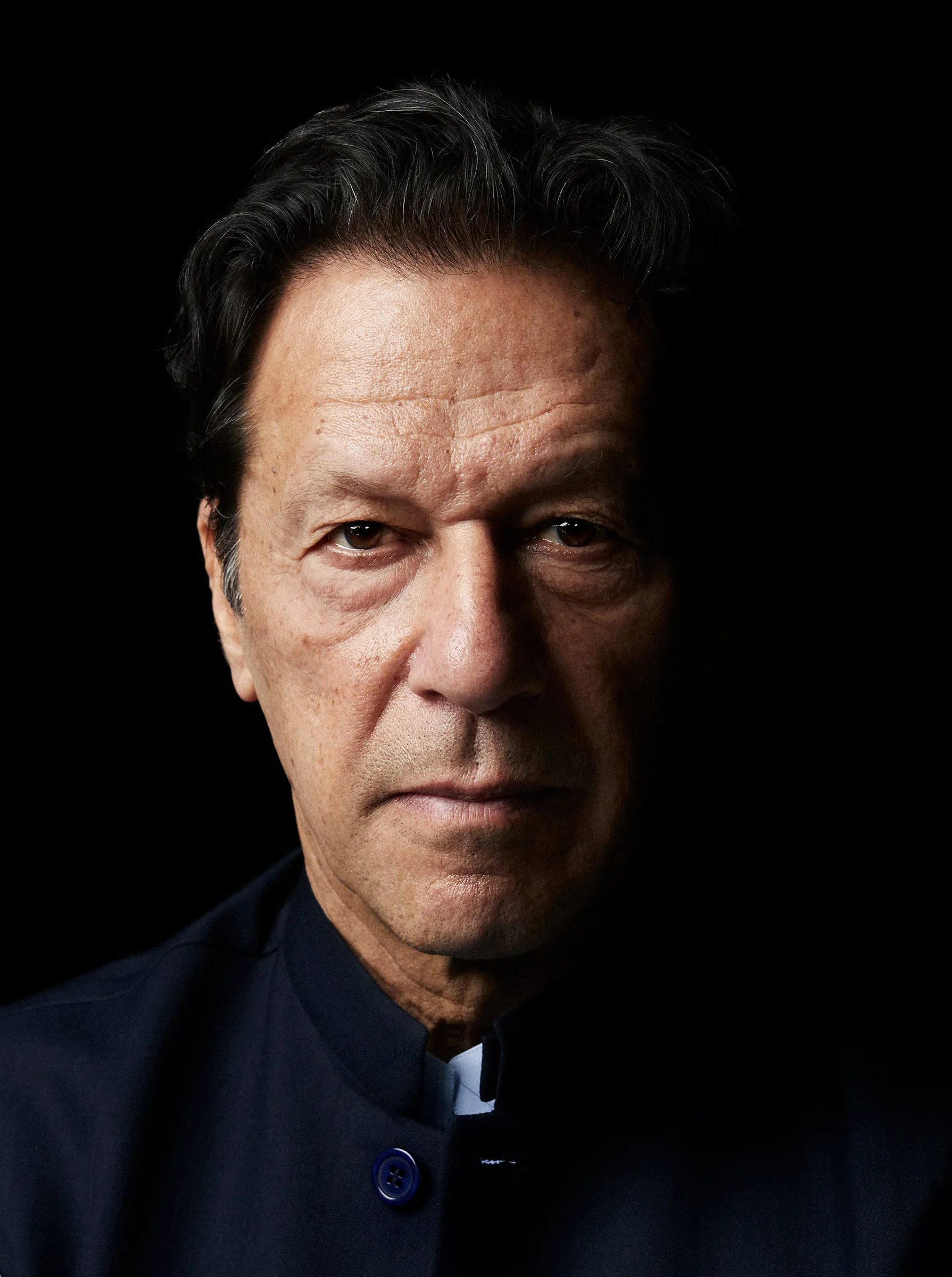
Introduction
Imran Khan, a former cricketer turned politician, served as the Prime Minister of Pakistan from August 2018 until his ousting in April 2022. His political career has been marked by both triumphs and challenges, making his journey a significant saga in Pakistan’s political landscape. Understanding his story is crucial as it reflects the current socio-political climate in the country and the implications for its future.
Political Ascent
Imran Khan founded the Pakistan Tehreek-e-Insaf (PTI) party in 1996, escalating quickly in popularity with a promise of anti-corruption and development policies. After years of struggling in opposition, Khan’s PTI emerged as the leading party in the 2018 general elections, fueled by a youthful voter base yearning for change. His leadership was initially viewed as a beacon of hope amid Pakistan’s recurring political crisis and economic instability.
Challenges Faced
During his tenure, Khan faced immense challenges including economic downturns, inflation, and international scrutiny. The COVID-19 pandemic exacerbated these issues, further straining the economy. Critics argue that his administration struggled to address pressing issues such as rising unemployment, educational reforms, and health care shortages. Additionally, Khan’s foreign policy decisions, especially the warming ties with China and Russia while managing traditionally critical relations with the United States, came under fire.
Political Turmoil and Ouster
In April 2022, Khan was ousted from power following a successful no-confidence vote in Parliament. This marked the first successful challenge to a sitting Prime Minister in Pakistan’s history. Allegations of conspiracy, both domestic and foreign, flooded the political arena as Khan rallied his supporters against the new government. His ousting emphasized the fragile nature of power in Pakistan, often swaying between military influence and fluctuating civil governance.
Current Situation
In the recent months, Imran Khan has remained a crucial figure in Pakistani politics, spearheading protests and rallies demanding fresh elections and accusing the current government of misgovernance. His supporters have rallied behind his stance advocating for transparency and constitutional rights, indicating that despite his political setbacks, his influence remains significant.
Conclusion
Imran Khan’s political saga underscores the complexities within Pakistan’s democratic framework and the challenges faced by leaders in managing both public expectation and governance. As Pakistan navigates through turbulent waters with impending elections, Khan’s next moves could significantly shape the country’s political landscape. Observers are keenly watching whether Khan can translate his political momentum into tangible political power, or if the political establishment will stave off his return. Understanding his journey offers critical insights into the evolving dynamics of Pakistan’s governance and civil society.