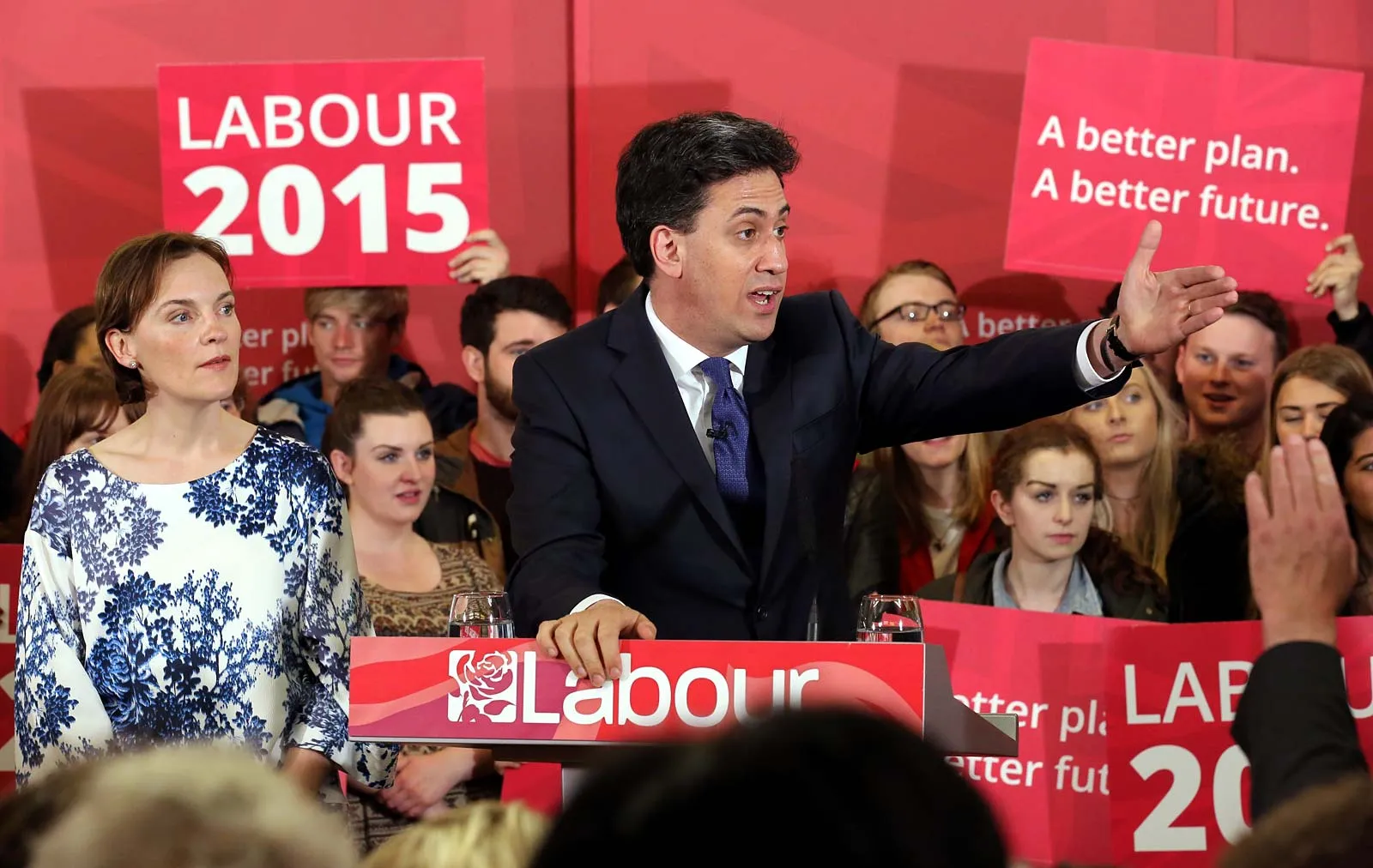
Introduction
Ed Miliband, former leader of the UK Labour Party and a prominent figure in British politics, has made notable contributions in recent years. As the Shadow Business and Industrial Strategy Secretary since 2020, Miliband’s influence is felt across various sectors, particularly in discussions surrounding climate change, the economy, and social justice. His role is increasingly important as the UK faces economic challenges and societal shifts.
Recent Developments
In recent weeks, Miliband has been at the forefront of the Labour Party’s response to the ongoing cost-of-living crisis affecting millions of families and businesses across the UK. He has advocated for immediate government action to support those struggling due to rising energy costs and inflation. During an address to the House of Commons, he highlighted the need for a greener economy, pushing for investments in renewable energy sources as a way to tackle both the climate crisis and economic inequalities.
Aside from economic strategies, Miliband has also called for reforms in corporate governance, emphasising that companies should take greater responsibility for their social impact. His commitment to redefining the relationship between businesses, governments, and citizens is a key part of Labour’s agenda as they prepare for future elections.
Impact and Analysis
Miliband’s return to the limelight has been marked by growing public support, especially as he navigates complex issues with a combination of pragmatism and progressive ideals. Analysts note that his ability to articulate a vision for the future resonates with younger voters who are increasingly concerned about sustainability and social equity.
The upcoming elections in 2024 are expected to be a pivotal moment for the Labour Party, and Miliband’s role is crucial. His strategic focus on economic reform and innovative solutions could shape Labour’s platform, attracting a broader coalition of voters. Additionally, Miliband’s experience as a former leader and his current cabinet position offer him a unique vantage point to influence party direction and policy formulation.
Conclusion
Ed Miliband’s political journey continues to evolve as he addresses key issues that affect the UK populace. His emphasis on climate action, economic reform, and corporate accountability positions him as a vital player in contemporary British politics. As the nation braces for the 2024 elections, Miliband’s vision may not only redefine the Labour Party but also set the stage for a new era in UK governance, making it essential for citizens to stay informed about his initiatives and proposals.