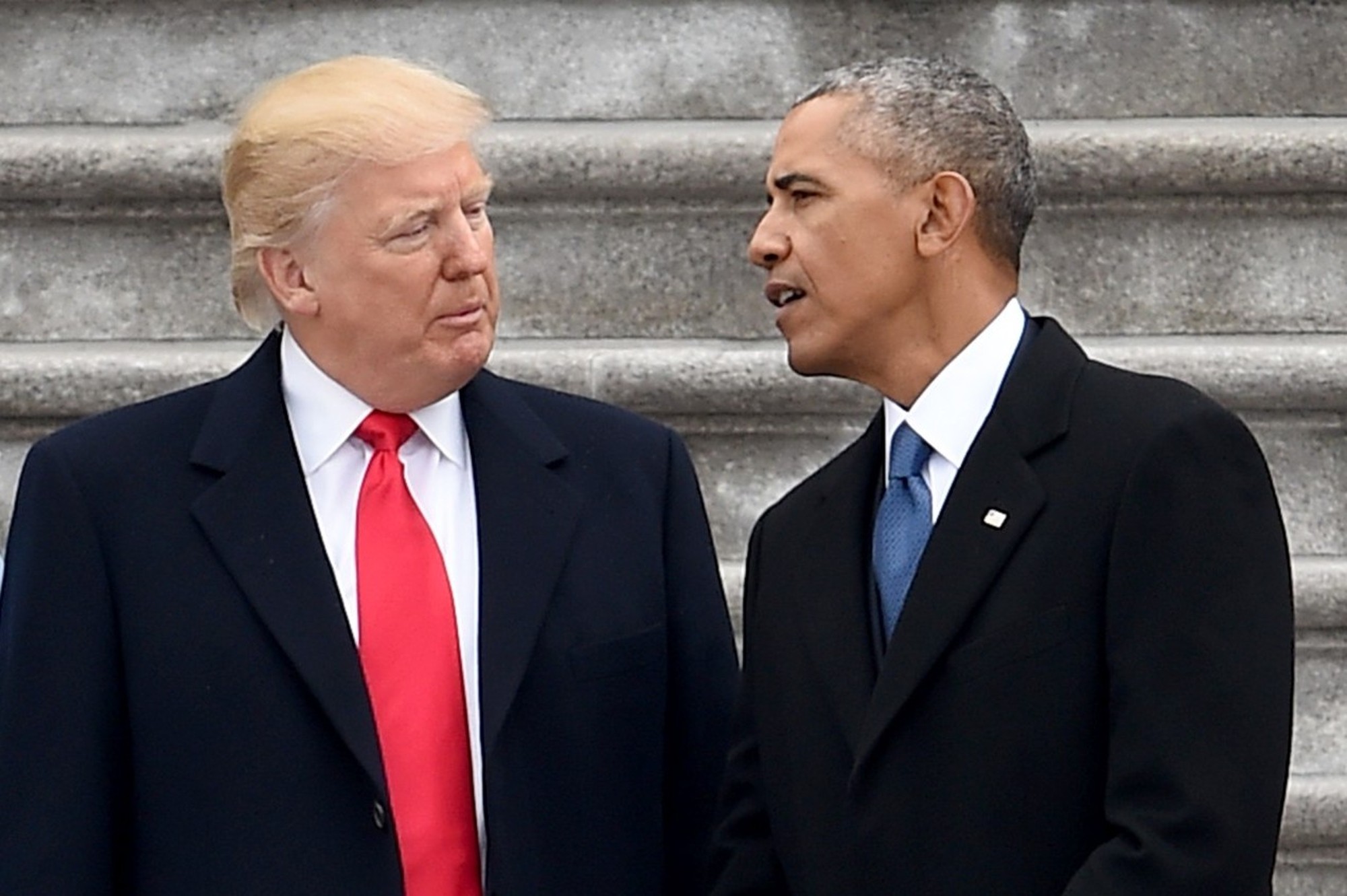
The Importance of Studying Trump and Obama
The political careers of Donald Trump and Barack Obama have left an indelible mark on American politics. Their contrasting leadership styles, policies, and ideologies reflect broader societal changes and set the tone for future political discourse. Understanding their legacies is essential for analysing current political dynamics and voter sentiments in the United States.
Key Policies of Barack Obama
Barack Obama, the 44th President and the first African American to hold the office, served from 2009 to 2017. His presidency is noted for key accomplishments such as the Affordable Care Act (ACA), aimed at expanding healthcare access, and the Dodd-Frank Act, which was designed to increase financial oversight following the 2008 financial crisis. Obama’s foreign policy was marked by the pivot to Asia and efforts to reduce nuclear armaments, highlighted by the Iran nuclear deal.
Donald Trump’s Presidency
Donald Trump, the 45th President, served from 2017 to 2021 and was known for his unorthodox approach to politics and communication, often relying on social media platforms like Twitter. His administration focused on deregulation, tax cuts through the Tax Cuts and Jobs Act, and a strong immigration stance, including the controversial travel bans. Trump’s foreign policy included a confrontational approach toward China and withdrawal from the Paris Agreement, reflecting a shift toward nationalism.
Contrasting Leadership Styles
One of the stark contrasts between Trump and Obama is their leadership styles. Obama is often seen as a deliberative, consensus-building leader, while Trump exemplified a direct, often combative style, portraying himself as an outsider challenging the political establishment. This ideological divide has fueled public discourse and affected party lines, influencing how policies are debated and enacted.
Impact on Political Discourse
The legacies of both leaders continue to shape contemporary American political discourse. Obama’s presidency is often viewed through the lens of progressivism, while Trump’s tenure reflects a surge in populism and the reawakening of conservative ideologies. As the Republican Party and the Democratic Party evolve, the principles and tactics championed by thesetwo leaders will likely influence the political agenda for years to come.
Conclusion
In conclusion, Donald Trump and Barack Obama represent two distinct chapters in American presidential history. Their differing approaches to leadership and governance not only highlight the diversity of opinions within the U.S. but also underscore the ongoing debates over identity, policy direction, and the role of government. As future leaders emerge, their ability to navigate the legacies of Trump and Obama will be paramount in shaping a unified approach to the challenges America faces.