Introduction
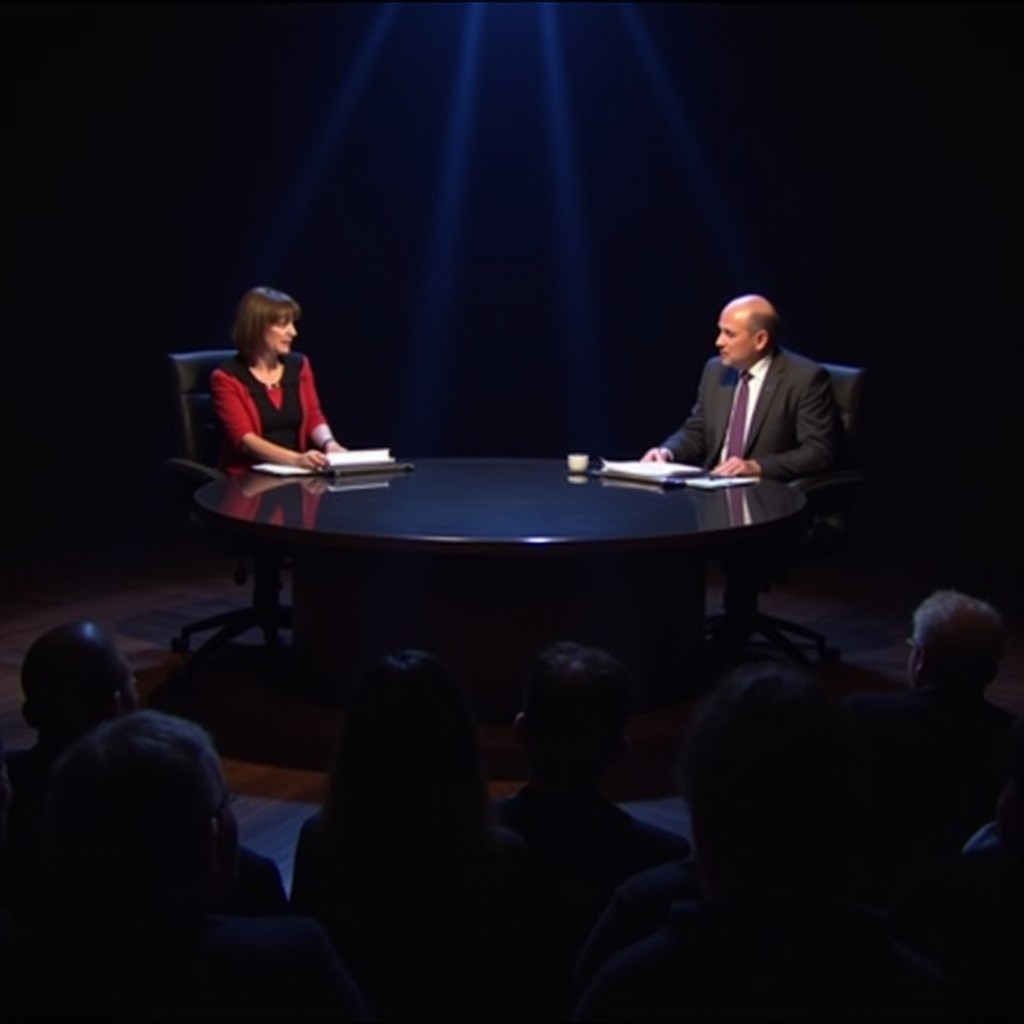
BBC Question Time is a prominent political debate programme that has been broadcasting since 1979. It serves as a critical platform for politicians, public figures, and citizens to engage in discussions that shape the political landscape of the United Kingdom. With the current issues, including Brexit, the cost of living crisis, and climate change, the relevance of BBC Question Time continues to grow as it enables direct engagement between the audience and decision-makers.
Recent Developments
Recently, BBC Question Time has garnered attention for its selection of panellists representing various political views, especially in light of the upcoming general elections. In its latest episode, which aired on 12 October 2023, audience members raised questions about energy prices, immigration policies, and the government’s handling of public services. The panel included prominent figures such as Labour’s Shadow Home Secretary and a representative from the Conservative Party, which allowed for a robust debate reflecting the nation’s sentiment.
One notable segment involved an audience member challenging the panel on the perceived ineffectiveness of local authorities in managing housing shortages, highlighting the frustration many citizens feel about government accountability. Such discussions not only inform viewers but also pressure politicians to address pressing issues within their constituencies.
Significance of BBC Question Time
The show’s format, which encourages audience participation, cements BBC Question Time’s status as an essential democratic tool. It transforms passive viewers into active participants in the political process. The ability to voice concerns directly to politicians and see their responses in real time enhances democratic engagement within the UK.
As contentiously debated topics arise, the programme equips voters with the insights needed to make informed decisions at the ballot box. Recent episodes have shown increasing audience engagement, with social media platforms amplifying discussions beyond the live broadcast, demonstrating the show’s shifting influence in a digital era.
Conclusion
BBC Question Time remains a pivotal player in the UK’s political arena. As it adapts to contemporary issues and the evolving media landscape, its capability to foster dialogue between politicians and the public becomes more significant. For viewers, this programme not only informs but also empowers, providing a necessary conduit for concerns that resonate deeply within society. With upcoming elections on the horizon, its relevance is poised to remain at the forefront of political discourse, reminding citizens of the importance of participation in shaping their governmental future.