Introduction
Didier Drogba, one of football’s great icons, is celebrated not only for his extraordinary skills on the pitch but also for his contributions off it. His legacy extends beyond mere statistics and trophies; Drogba’s impact is felt globally, particularly in his home country of Ivory Coast. Understanding his journey provides insights into the importance of sports figures in addressing social and cultural issues.
Career Highlights
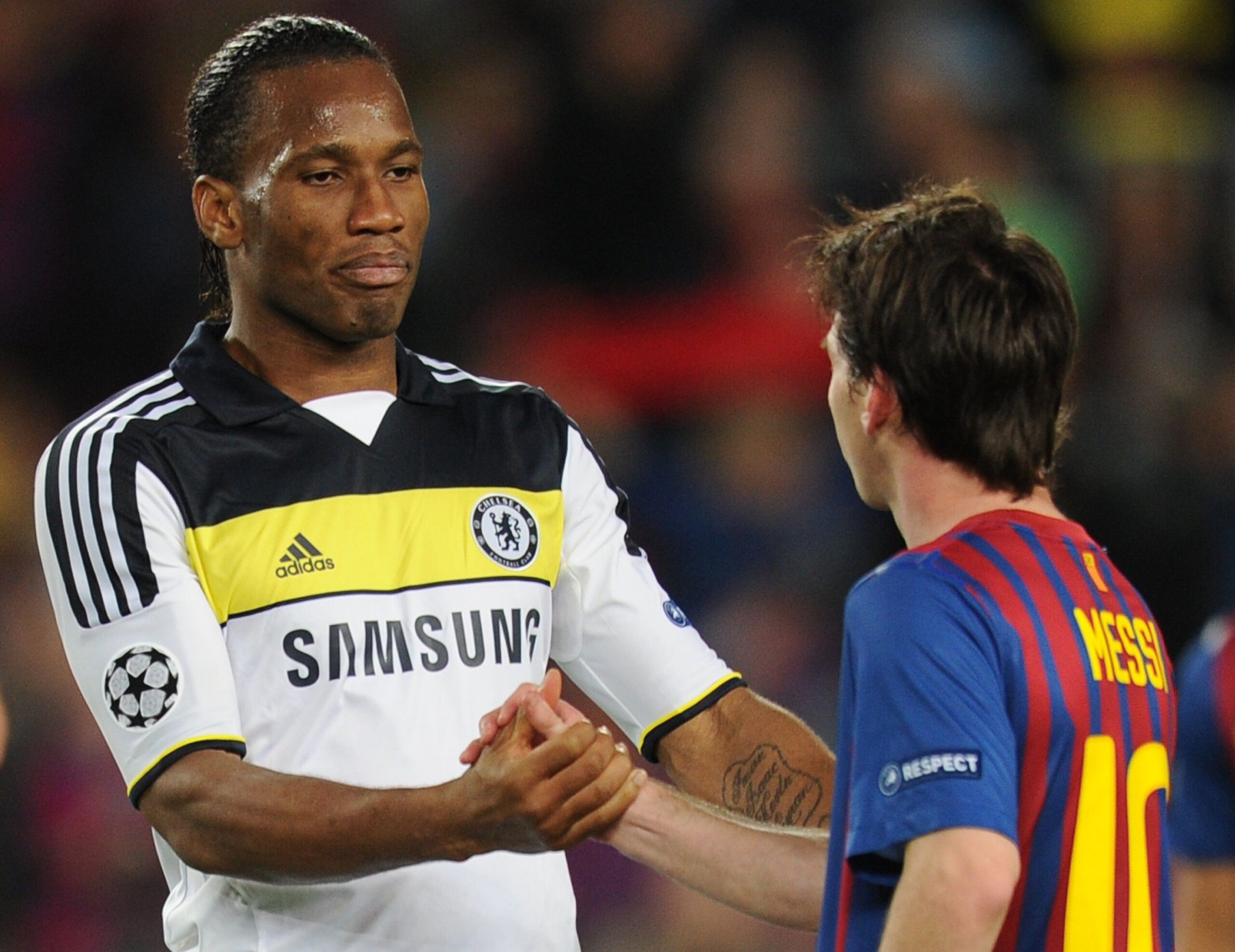
Born on March 11, 1978, in Abidjan, Ivory Coast, Drogba embarked on his professional career in France. He gained prominence during his time at Marseille before making a significant move to Chelsea FC in 2004. Throughout his tenure at Chelsea, Drogba scored over 150 goals and helped the team secure numerous titles, including four Premier League titles and the UEFA Champions League in 2012, where he famously scored the winning penalty.
His ability to perform in critical moments, particularly in finals, established him as a clutch player and fan favourite. Drogba’s impact at Chelsea was further solidified when he became the club’s all-time leading goal scorer, a record he held until 2017.
Off-the-Field Contributions
Beyond his football career, Drogba has made significant contributions to humanitarian efforts, particularly in his home country. He has been instrumental in using football as a platform for positive change. Following the civil war in Ivory Coast, Drogba played a key role in promoting peace and reconciliation, famously appealing to his fellow countrymen to put down their arms during the conflict.
Moreover, he established the Didier Drogba Foundation, which focuses on improving education and healthcare in Africa. His philanthropic efforts have not only garnered respect but also highlight the role of athletes as influential leaders in society.
Recent Developments
In recent news, Drogba has expressed interest in entering politics within Ivory Coast, aiming to leverage his status and experience to further contribute to the development of his country. This potential political venture underscores the dynamic nature of his legacy and the influence of sports figures in shaping societal narratives.
Conclusion
Didier Drogba’s journey from a young boy in Ivory Coast to a global football superstar is a testament to hard work, resilience, and the impactful nature of sport. His achievements on the field are impressive, but his contributions to society underscore the broader significance of athletes as role models and leaders. As he navigates new challenges, including political aspirations, Drogba’s legacy will continue to inspire future generations, proving that the impact of one individual can resonate far beyond the football pitch.