Introduction
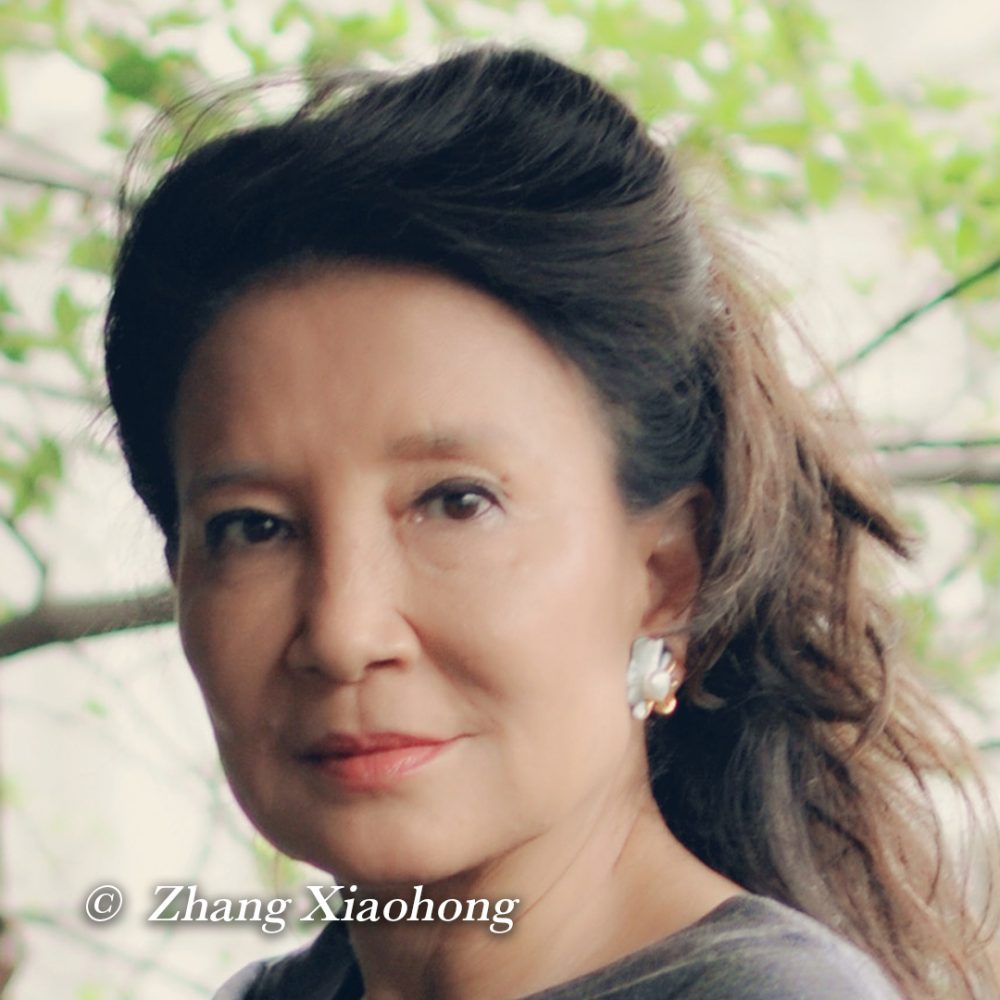
Jung Chang, a prominent Chinese-born author and historian, has made significant contributions to literature and historical understanding of China. Her best-selling memoir, “Wild Swans: Three Daughters of China,” offers a poignant look at the experiences of women across three generations in China, shedding light on the tumultuous sociopolitical landscape the country has endured. The importance of Jung Chang’s work lies not only in its narrative but also in its ability to resonate with readers globally, providing a personal perspective on historical events that shaped modern China.
Life and Early Career
Born in 1952 in Liaoning province, Jung Chang’s early life was marked by the Cultural Revolution, heavily influencing her worldview. After a challenging upbringing, she moved to the UK in 1978 to study at the University of York, an experience that enriched her understanding of both Eastern and Western cultures. Chang’s unique perspective would later fuel her writing career, culminating in some of the most notable works in contemporary literature.
Literary Achievements
Chang’s breakthrough came with “Wild Swans,” published in 1991, which has since sold over 10 million copies worldwide. The memoir details her grandmother’s life under the feudal system, her mother’s life during the Japanese occupation, and her own experiences during the Communist era. The book has been translated into multiple languages and remains a critical text for understanding China’s past. Following this success, she wrote “Mao: The Unknown Story,” co-authored with her husband Jon Halliday, which critically examines the life of Mao Zedong and his impact on China, further establishing her as an authority on Chinese history.
Impact and Relevance
Jung Chang’s works have sparked important discussions about women’s roles in Chinese history and the broader implications of political ideologies. Her ability to intertwine personal narratives with historical events provides a unique lens through which readers can better comprehend China’s complex past. As the world increasingly turns its focus towards China as a global superpower, Chang’s insights into its history remain paramount.
Conclusion
In conclusion, Jung Chang has significantly impacted both literary and historical scholarship on China. Her ability to narrate history through personal experiences not only captivates audiences but also educates them about the intricate dynamics of Chinese culture and politics. As her influence continues to grow, readers and scholars alike can look forward to further explorations of history through her distinctive voice, reinforcing the importance of understanding past events in shaping our present and future.