Introduction
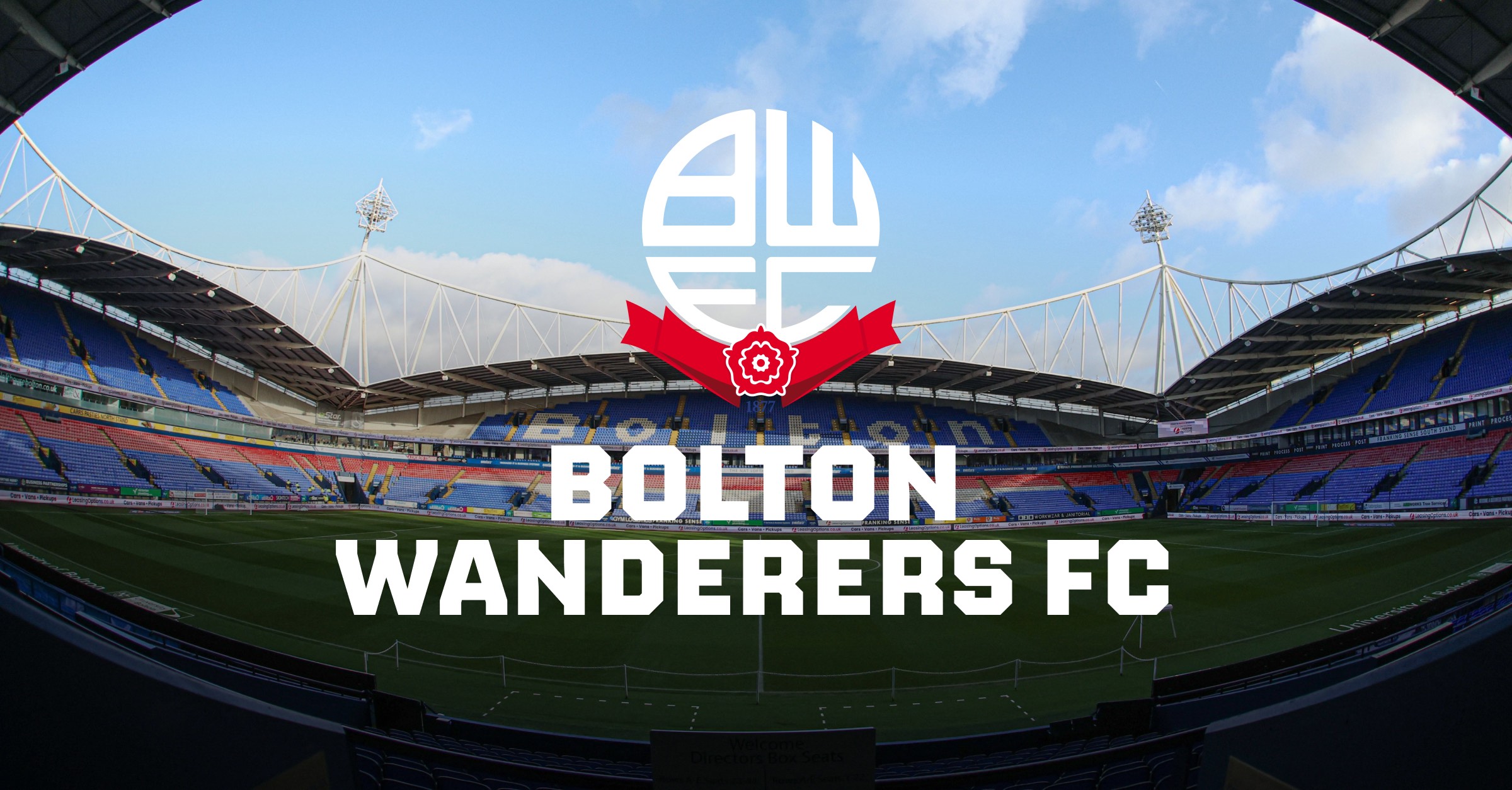
Bolton Wanderers Football Club, based in Bolton, Greater Manchester, is a well-respected name in English football. Established in 1874, the club has a rich history, including notable achievements in domestic and international competitions. As one of the founding members of the Football League, Bolton has undergone various phases of success and struggle, making it a significant subject of discussion among fans and sports analysts. The current crossroads the club finds itself at reflects broader themes in football, such as club ownership, sustainability, and community engagement.
Recent Developments
In recent seasons, Bolton Wanderers has shown a remarkable turnaround. After suffering financial difficulties that led to their relegation from the EFL Championship in 2019, the club faced uncertain futures and potential administration. However, with the arrival of new ownership and investment, Bolton managed to stabilise both financially and competitively. Under the management of Ian Evatt, the team started off in League Two and has successfully fought their way back to League One, showcasing an impressive performance in the 2021-2022 season.
The Wanderers’ commitment to revitalising their reputation is highlighted in numerous ways, including their focus on developing youth talent. The club’s academy has become a breeding ground for new talent, with promising youngsters breaking into the senior team.
Fan Engagement and Community Initiatives
Central to Bolton Wanderers’ revival is their strong emphasis on community engagement. The club has re-established connections with its fanbase, actively involving them in club decisions and creating initiatives that foster a sense of belonging. Collaborations with local schools and charities have increased their visibility and support within the community, further solidifying the club’s vital place in Bolton’s sporting landscape.
Conclusion
As Bolton Wanderers continues to rebuild its legacy, the ongoing support from their loyal fanbase, along with strategic club management, positions them for future success. The focus on youth development and community connections serves as a model for other clubs facing similar challenges. Looking ahead, Bolton’s aspiration to return to the higher tiers of English football remains strong, and recent trends indicate a positive trajectory for the club. The journey of Bolton Wanderers demonstrates both the trials faced in professional football and the possibility of resurgence through resilience and community spirit.