Introduction
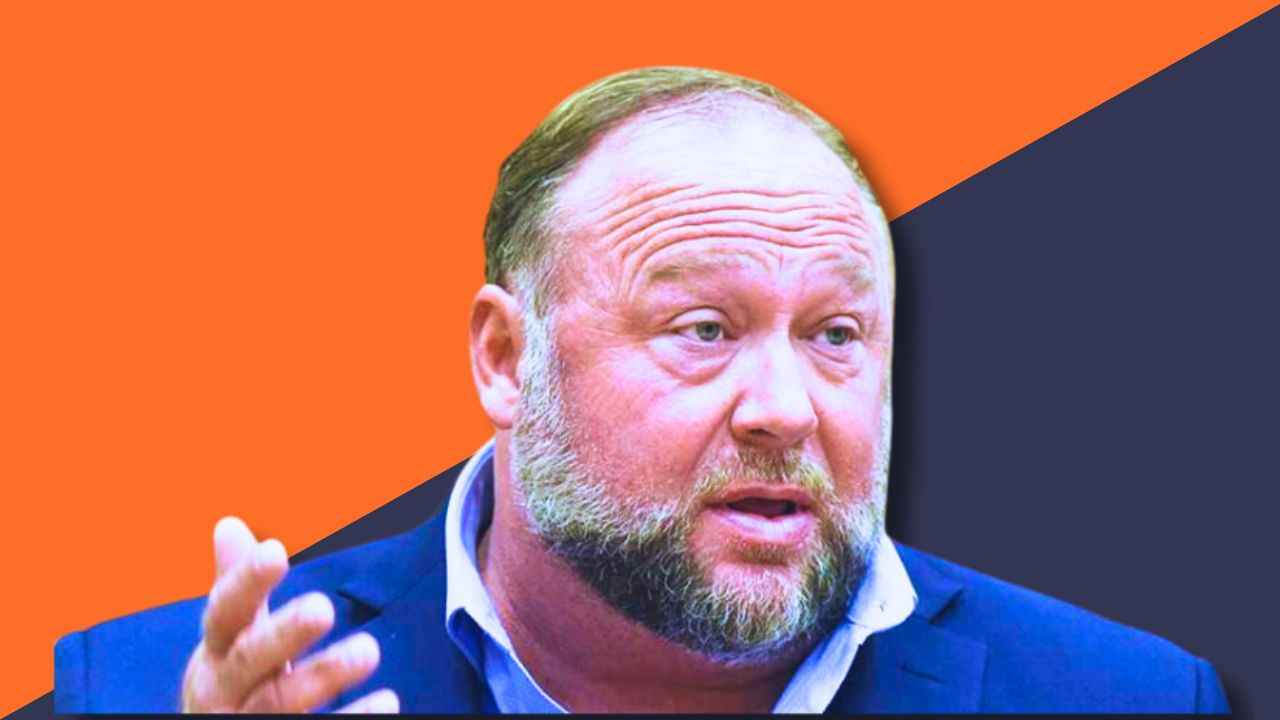
Alex Jones, a prominent yet divisive figure in media and politics, has garnered attention for his controversial views and conspiracy theories. His influence stretches across various platforms, making him a significant topic in discussions about free speech, media accountability, and the spread of misinformation. Understanding Jones’ impact is crucial, as it raises questions about the responsibilities of media figures and the power of social networks in shaping public opinion.
Background and Career
Born on February 11, 1974, in Dallas, Texas, Alex Jones began his media career hosting a public-access cable television program in the late 1990s. He gained fame through his website, InfoWars, where he promoted various conspiracy theories, including those related to 9/11, the Sandy Hook Elementary School shooting, and COVID-19. His confrontational style and sensational claims have attracted a dedicated following but also significant criticism.
Controversial Claims and Legal Battles
Jones has faced numerous legal challenges due to his statements, particularly concerning the Sandy Hook tragedy. In 2022, he was ordered to pay nearly $1.5 billion in damages for spreading false information about the 2012 shooting, which claimed the lives of 26 people, including children. The lawsuits have underscored the consequences of spreading misinformation, prompting discussions about accountability and the ethical responsibilities of media personalities.
The Role of Social Media
Jones’ prominence was boosted by social media, where he utilised platforms to disseminate his beliefs and connect with followers. However, in 2018, several social media platforms, including Facebook, Twitter, and YouTube, banned Jones for violating their policies on hate speech and harassment. This action sparked debates about censorship and the balance between free expression and the prevention of harm, highlighting the ongoing struggle between tech companies and controversial figures.
Current Developments and Implications
As of late 2023, Alex Jones continues to influence discussions on conspiracy theories and alternative media. Despite his legal troubles and bans from major platforms, he has found ways to maintain his audience through alternative channels. Analysts suggest that his case may serve as a precedent for how similar figures might be treated in the future, especially regarding misinformation and public discourse.
Conclusion
Alex Jones remains a polarising figure whose influence raises essential questions about the nature of media, free speech, and accountability. As misinformation continues to be a pressing issue globally, understanding the dynamics surrounding Jones could provide valuable insights into the challenges facing modern media consumption and the importance of promoting accurate information. The ongoing debate over his actions will likely shape future policies regarding media accountability and the responsibility of individuals in the digital age.