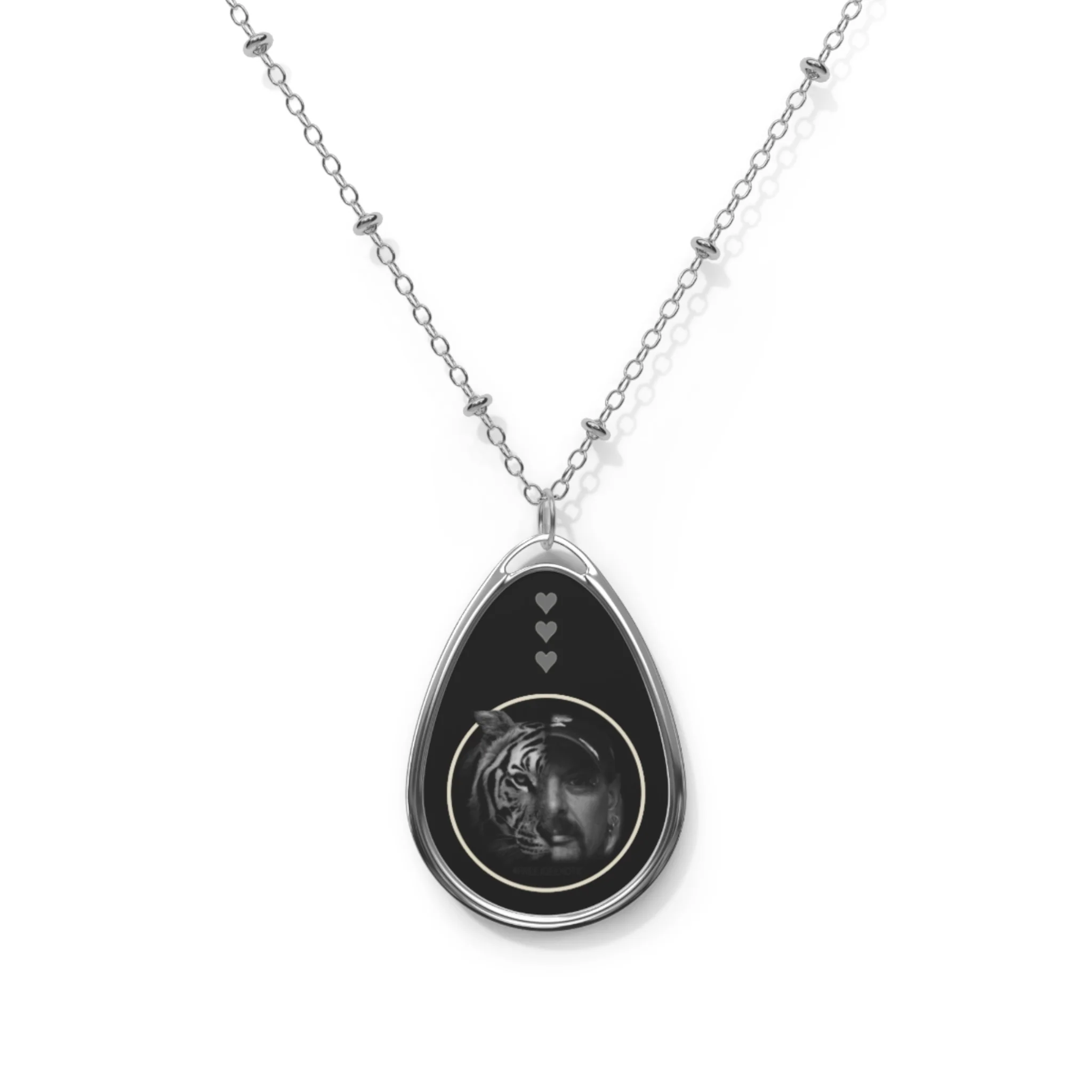
Introduction
Joe Exotic, also known as the ‘Tiger King,’ captured global attention in 2020 through the hit Netflix documentary series of the same name. His flamboyant personality, controversial animal practices, and tumultuous legal battles resonated with millions, sparking discussions about exotic animal ownership and animal welfare laws. This article delves into the life of Joe Exotic, examining his rise to fame, the controversies that followed, and the implications of his actions for wildlife conservation.
The Rise of Joe Exotic
Born Joseph Allen Maldonado-Passage in 1963, Joe Exotic began his career in the animal breeding industry at a young age. He founded the G.W. Zoo in Oklahoma, which became the backdrop for many of his extravagant promotional stunts. His persona as the ‘Tiger King’ evolved, encapsulating a colorful narrative of big cats and larger-than-life ambition. The release of the Netflix series in March 2020, amidst the COVID-19 pandemic, propelled him into the limelight, making Joe a household name in a matter of weeks.
Controversies and Legal Troubles
Despite the fame, Exotic’s life was marred by scandal. He was embroiled in a feud with animal rights activist Carole Baskin, leading to a criminal investigation that culminated in his arrest in 2018. In January 2019, he was convicted on multiple counts, including a murder-for-hire plot against Baskin, resulting in a 22-year prison sentence. The courtroom dramas and bizarre antics captivated audiences, leading to widespread media coverage and fascination.
Impact on Pop Culture and Animal Welfare
Joe Exotic’s story ignited conversations about the ethics of exotic animal ownership and the complexities of wildlife conservation. The ‘Tiger King’ phenomenon brought to light the dark reality of big cat breeding, the exploitation of animals for entertainment, and the urgent need for reform in wildlife protection policies. As viewers grappled with the moral implications of Exotic’s actions, they were also urged to contemplate the fate of exotic animals in private collections.
Conclusion
As he remains incarcerated, Exotic’s legacy becomes a cautionary tale in the intersection of fame, greed, and animal welfare. The discussions surrounding his life continue to resonate, inspiring policy changes and raising awareness about the responsibilities associated with exotic animal ownership. The lasting significance of Joe Exotic’s story serves as a reminder that entertainment must not overshadow the welfare of the animals involved. As society moves forward, ongoing dialogues about wildlife conservation and ethical practices are vital to prevent similar situations in the future.