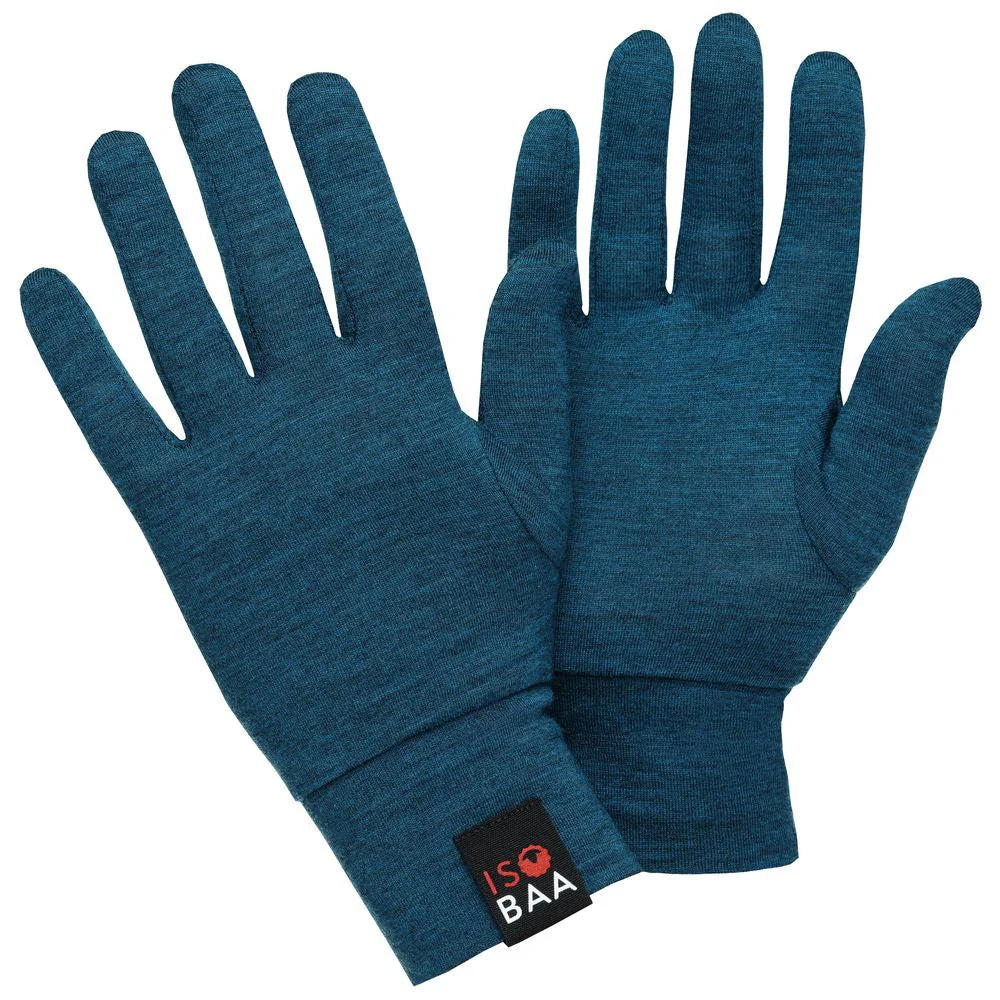
Introduction to Merino Wool
Merino wool, sourced from Merino sheep, has become a hallmark of quality and sustainability in the fashion industry. Known for its fine fibres and superior insulating properties, this material has gained considerable attention as consumers become more conscious of fabric origin and environmental impact. The relevance of merino wool in today’s apparel landscape reflects a shift towards sustainable practices while maintaining style and comfort.
The Benefits of Merino Wool
Merino wool boasts several key advantages. Firstly, its natural moisture-wicking properties help regulate body temperature, making it suitable for various climates. Unlike traditional wool, merino is softer and less itchy, making it comfortable against the skin. Furthermore, it is naturally odour-resistant, which is particularly appealing for activewear and outdoor clothing. This functionality and comfort allow for versatility in Merino wool designs—from casual wear to performance clothing.
Merino Wool in Modern Fashion Trends
In recent years, there has been an uptick in the use of merino wool among high-end fashion brands and sustainable companies alike. Initiatives like the Campaign for Wool, supported by Prince Charles, have highlighted the significance of wool producers in responsible fashion. Brands such as Icebreaker and Smartwool have capitalised on the sustainability trend, offering products that emphasise the ecological benefits of merino. These marketplaces are introducing modern designs that appeal to environmentally conscious consumers without sacrificing style.
Environmental Impact and Sustainability
The merino wool industry is also at the forefront of the sustainable textile movement. Many manufacturers adopt ethical farming practices, ensuring the welfare of sheep while reducing the environmental footprint. Merino wool is biodegradable, unlike synthetic materials that can linger in landfills for years. As the global push for sustainability grows, the production of merino wool, with a focus on eco-friendly practices, exemplifies a responsible choice in clothing.
Conclusion: The Future of Merino Wool
In conclusion, merino wool is not just a fabric of choice but a representation of a cultural shift towards sustainable fashion. As awareness continues to rise on the benefits of merino wool—both in terms of user experience and environmental impact—its relevance in future collections appears promising. For readers and consumers, considering merino wool as a primary fabric choice signifies an endorsement of sustainability and quality craftsmanship that can help shape the future of the fashion industry.