Introduction
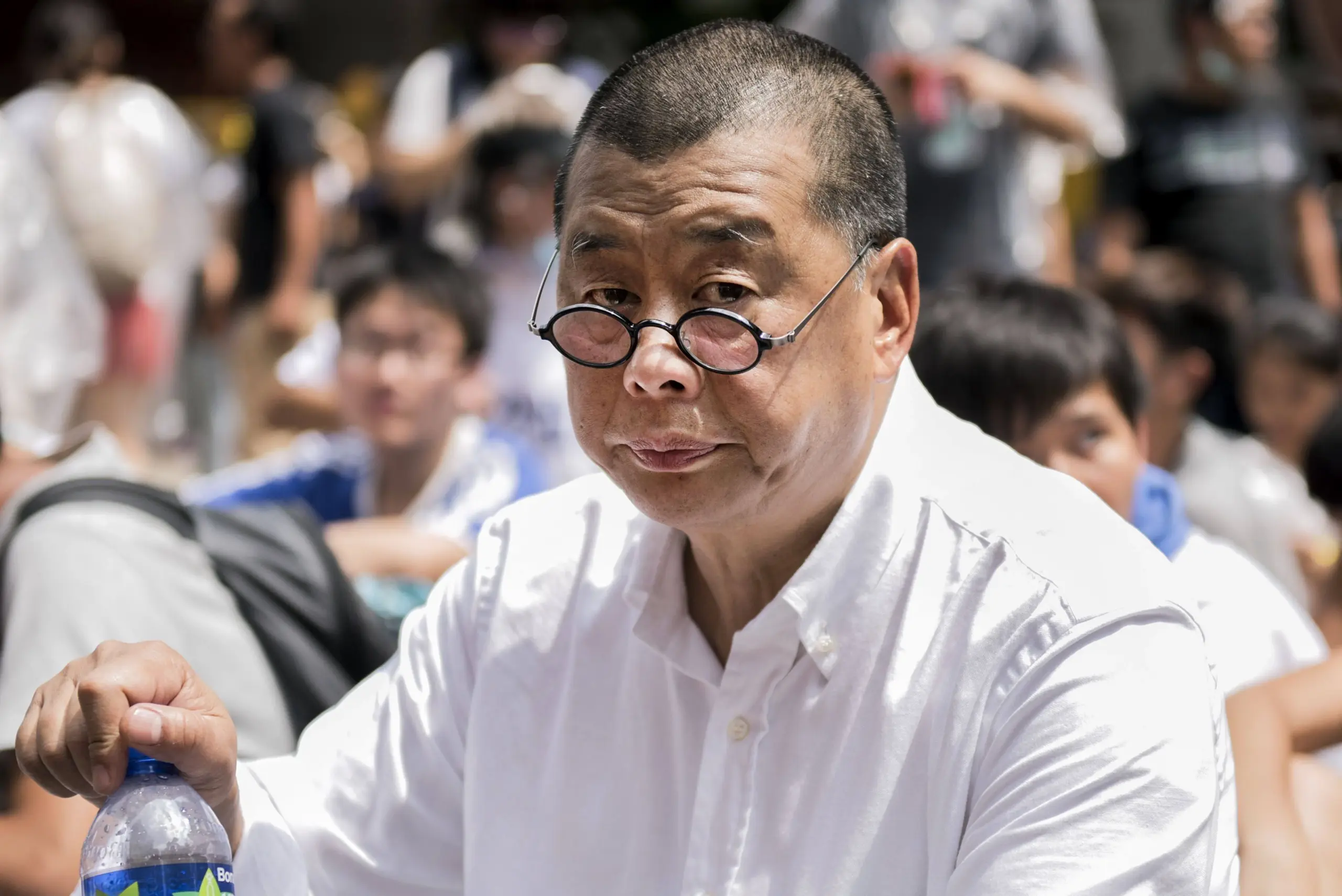
Jimmy Lai, a pro-democracy activist and founder of the Hong Kong media outlet Apple Daily, has emerged as a pivotal figure in the struggle for democracy in Hong Kong. His ongoing legal battles and steadfast commitment to free speech amidst increasing governmental pressure underscore the critical human rights issues faced in the region. As tensions continue to rise, Lai’s story has captured global attention and highlighted the challenges of advocating for democratic freedoms in an authoritarian context.
Background on Jimmy Lai
Born in 1947 in Guangdong, China, Lai immigrated to Hong Kong in search of a better life. He founded Apple Daily in 1997, which quickly became known for its bold reporting and unapologetic criticism of the Chinese government. Lai’s dedication to press freedom and civil liberties has not come without consequences. In August 2020, he was arrested under the national security law imposed by China, marking a significant shift in the region’s political landscape.
Recent Developments
In recent months, Lai has faced multiple charges ranging from fraud to collusion with foreign forces, all of which are seen by many as politically motivated attempts to silence dissent. His trial has sparked international condemnation, with human rights organisations calling for his release and questioning the legitimacy of the charges. As of 2023, Lai remains imprisoned, yet his advocacy for democracy continues to resonate with many, both in and outside Hong Kong.
Global Reaction
The global community’s response to Lai’s situation has varied, with several countries expressing alarm over the erosion of freedoms in Hong Kong. The United States and the United Kingdom, among others, have called for his immediate release, arguing that his imprisonment represents a broader suppression of dissent within China. Protests in support of Lai have erupted worldwide, urging governments to take a stand against China’s encroachment on civil liberties.
Conclusion
Jimmy Lai’s plight symbolizes the resilience of those fighting for democracy in a landscape increasingly dominated by authoritarianism. As his trial proceeds, the international focus remains on Hong Kong, and the implications of Lai’s situation extend beyond local borders, affecting global perceptions of human rights in China. The outcome of Lai’s legal battles will serve as a crucial indicator of the future of free expression in Hong Kong and may inspire further activism within the pro-democracy movement. As the world watches, the story of Jimmy Lai remains a powerful testament to the ongoing struggle for liberty and justice.