Introduction
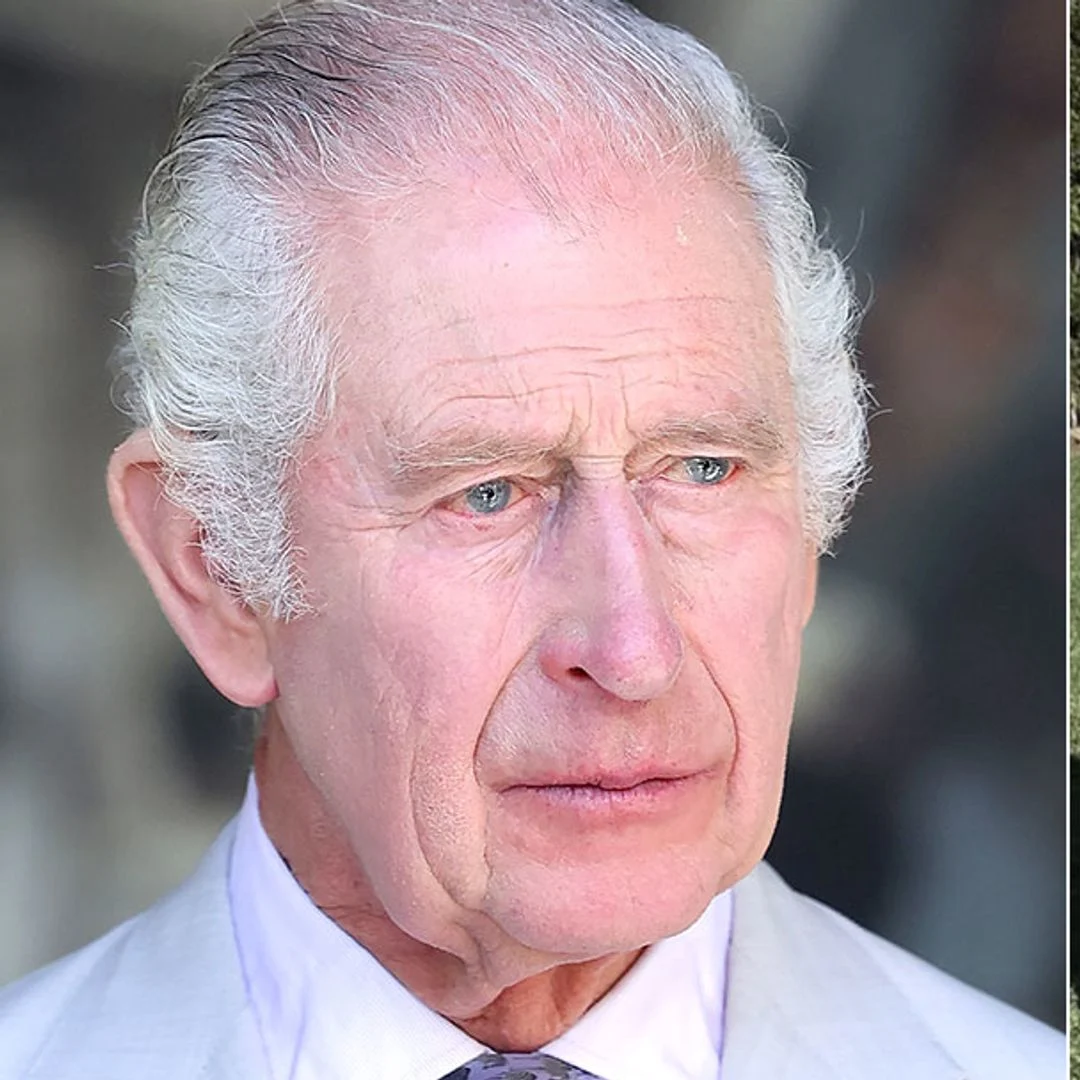
The ascension of King Charles III marked a transformative moment in British history, ushering in a new era for the monarchy and the United Kingdom. Following the death of his mother, Queen Elizabeth II, in September 2022, Charles took the throne amid a period of substantial change both domestically and internationally. This new reign is crucial not just for the monarchy itself but also for the UK’s relationship with the Commonwealth and the monarch’s role in modern society.
Key Events Since Ascension
Since becoming king, Charles has embraced a vision for a monarchy that reflects contemporary values, emphasizing environmental sustainability, social justice, and community engagement. His first public address highlighted these priorities, calling for unity and support for those in need during challenging times.
In May 2023, King Charles was officially coronated in a lavish ceremony at Westminster Abbey, which was attended by dignitaries from around the world and was watched by millions. The event not only celebrated his commitment to duty and service but also showcased the traditional aspects of the British monarchy that continue to resonate with the public.
Public Perception and Challenges
Public opinion on King Charles has shown a gradual shift. Initially overshadowed by scandals involving other royal family members, surveys now indicate increasing approval ratings for the King. A recent YouGov poll revealed that 60% of respondents view the King positively. Nonetheless, he faces challenges including public scrutiny and the need to modernise the royal image while maintaining longstanding traditions.
Significance for the Future
King Charles’s reign could signal a pivotal turning point for the monarchy as it seeks relevance in a rapidly changing world. The King’s focus on issues such as climate change has led to initiatives aimed at galvanizing young voters and activists, presenting a refreshed image of the monarchy. Furthermore, as the King navigates complex relationships with Commonwealth nations, his diplomatic approaches could redefine the UK’s foreign relations.
Conclusion
The significance of King Charles III’s reign extends beyond ceremonial duties; it encompasses the monarchy’s ability to adapt within an evolving socio-political landscape. As he takes on challenges and embraces opportunities for reform, the world watches to see how this new era will shape the legacy of the British monarchy and its relationship with its people and the Commonwealth. The success of King Charles will largely depend on his capacity to resonate with the public and effectively address the pressing issues of our time.