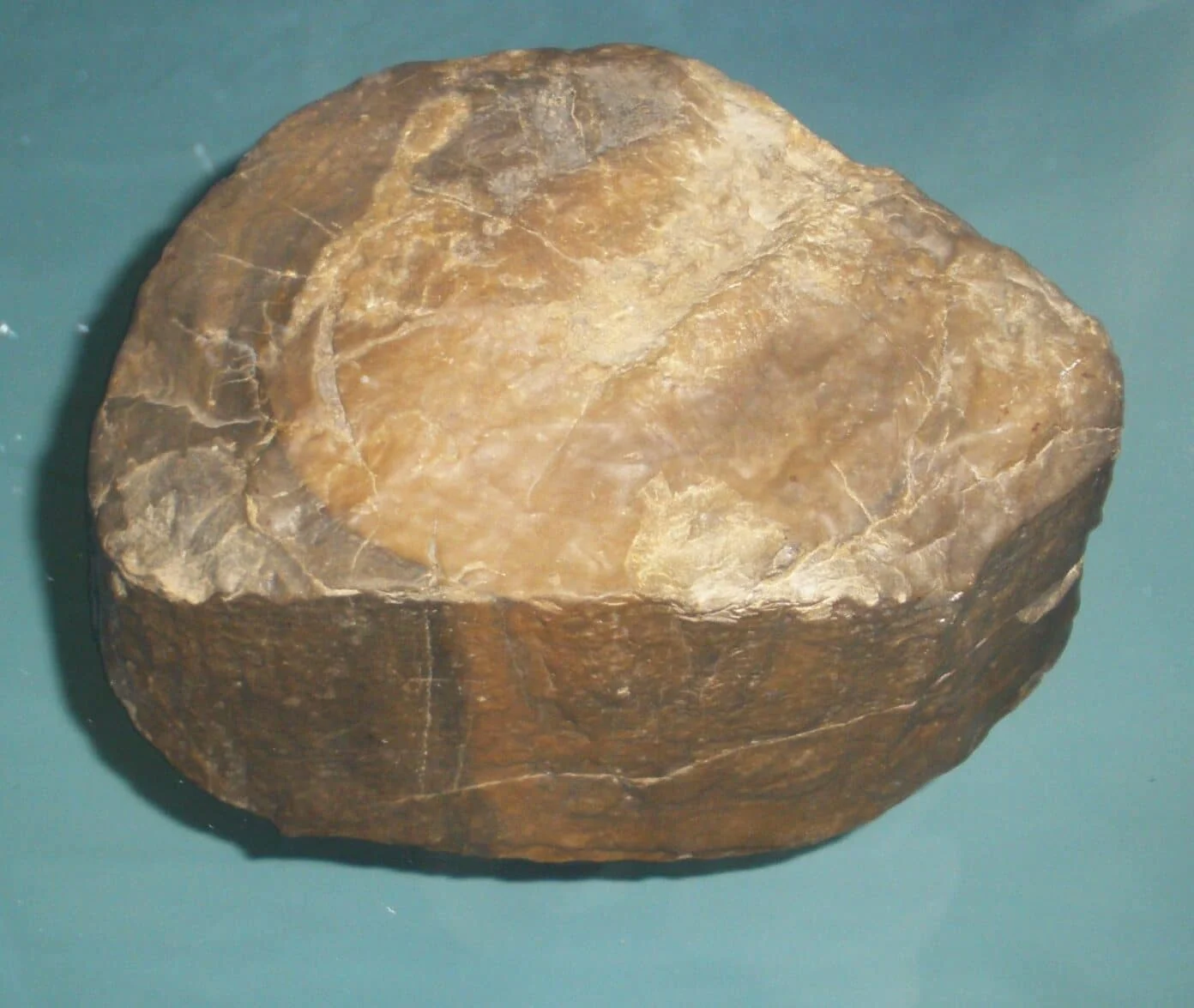
Introduction to Prototaxites
Prototaxites is a unique and ancient fossilized organism that existed approximately 420 to 370 million years ago during the Devonian period. These giant fossils, which can measure over eight metres tall, have fascinated paleontologists due to their unprecedented size and structure. The importance of studying Prototaxites lies in understanding the complexity and diversity of prehistoric ecosystems, as well as tracing the evolution of land plants.
Discovery and Characteristics
The first formal description of Prototaxites was made in the 19th century by geologist Alexander Winchell. Initially thought to be a tree or lichen, subsequent studies have revealed that Prototaxites might be a giant fungus, making it one of the largest fungi known to science. Fossil specimens have been found across North America, Europe, and parts of Africa, indicating a widespread distribution during its time. The structure of these fossils suggests a unique adaptation to the environment of the Devonian period, possibly thriving in nutrient-rich soils.
Recent Findings
Recent paleobotanical studies have shed more light on Prototaxites and its ecological role. New fossil evidence indicates that these organisms may have played a significant role in shaping Devonian ecosystems by interacting with early vascular plants. This interaction could have influenced soil development and nutrient cycles, thereby supporting the evolution of terrestrial flora. In a 2022 study published in the journal ‘Paleobiology’, researchers proposed that the interactions between Prototaxites and the evolving plant life might have paved the way for more complex plant ecosystems.
Significance for Modern Science
The revival of interest in Prototaxites research underscores its significance in understanding the history of life on Earth. As climate change and environmental degradation continue to pose challenges, insights gained from studying ancient organisms like Prototaxites may inform conservation strategies today. Additionally, understanding the evolutionary history of fungi and their interactions with plants can provide a framework for addressing contemporary ecological challenges.
Conclusion
Prototaxites fossils represent a fascinating chapter in the story of life on Earth. Their unique characteristics and potential ecological roles highlight the complexities of prehistoric ecosystems. As more research unfolds, Prototaxites may continue to unlock secrets of Earth’s past and offer valuable lessons for the future. Readers interested in geology, paleontology, and evolution will find studying these extraordinary fossils both enlightening and essential for understanding the planet’s biological and ecological history.



