Introduction
Traffic is a pressing issue in urban areas across the globe, affecting both daily commutes and the overall quality of life. With increasing population densities and vehicle ownership, understanding traffic patterns is crucial for effective city planning and infrastructure development. A well-managed traffic system can promote efficiency, reduce pollution, and enhance public safety, making it an essential topic for policymakers and residents alike.
Current Traffic Trends
Recent studies reveal that urban traffic congestion has worsened considerably in many major cities. According to the TomTom Traffic Index 2023, cities like London and Los Angeles have seen a rise in overall congestion levels, with drivers spending up to 30% of their travel time in traffic jams. This situation has been exacerbated by factors such as post-pandemic travel rebounds, supply chain issues, and ongoing construction projects.
Adverse Effects of Traffic
The ramifications of heavy traffic extend beyond mere inconvenience. Traffic congestion leads to increased air pollution, contributing to public health crises. Studies from the World Health Organization indicate that air pollutants from vehicles are linked to respiratory diseases and other health complications. In urban environments, the economic impact is also significant; businesses suffer from delayed deliveries, and employees face longer commute times, which can affect productivity and work-life balance.
Strategies for Improvement
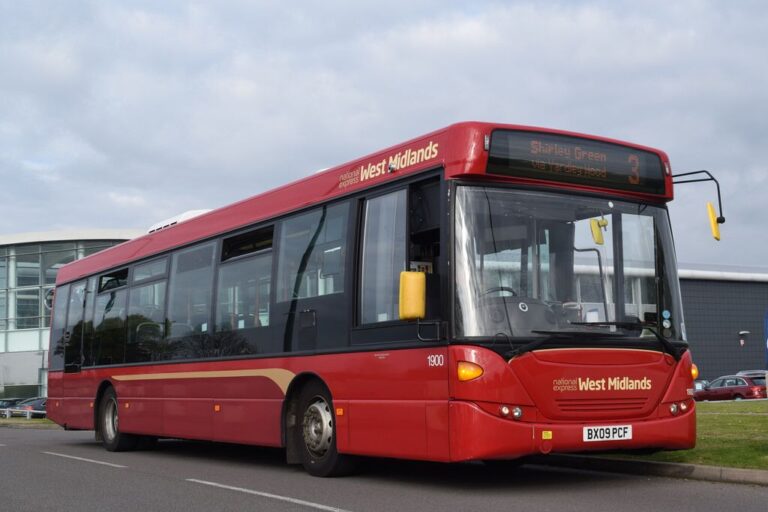
To combat traffic issues, many cities are implementing various strategies aimed at improving urban mobility. Initiatives such as expanding public transportation networks, promoting cycling and walking, and utilising smart traffic management technology are becoming increasingly common. For instance, C40 Cities has engaged in efforts to redesign urban spaces to prioritise pedestrians and cyclists, creating more liveable environments while simultaneously reducing vehicle reliance.
Conclusion
As cities continue to grow, so too will the challenges of managing traffic effectively. Urban planners and local governments must prioritise sustainable transportation solutions to improve traffic flow and reduce the adverse effects on residents’ daily lives. Forecasts suggest that with the right investments in technology and infrastructure, future urban traffic may become more manageable, leading to safer, healthier, and more efficient cities. The importance of addressing traffic cannot be overstated, as it remains integral to the functionality and desirability of urban areas.