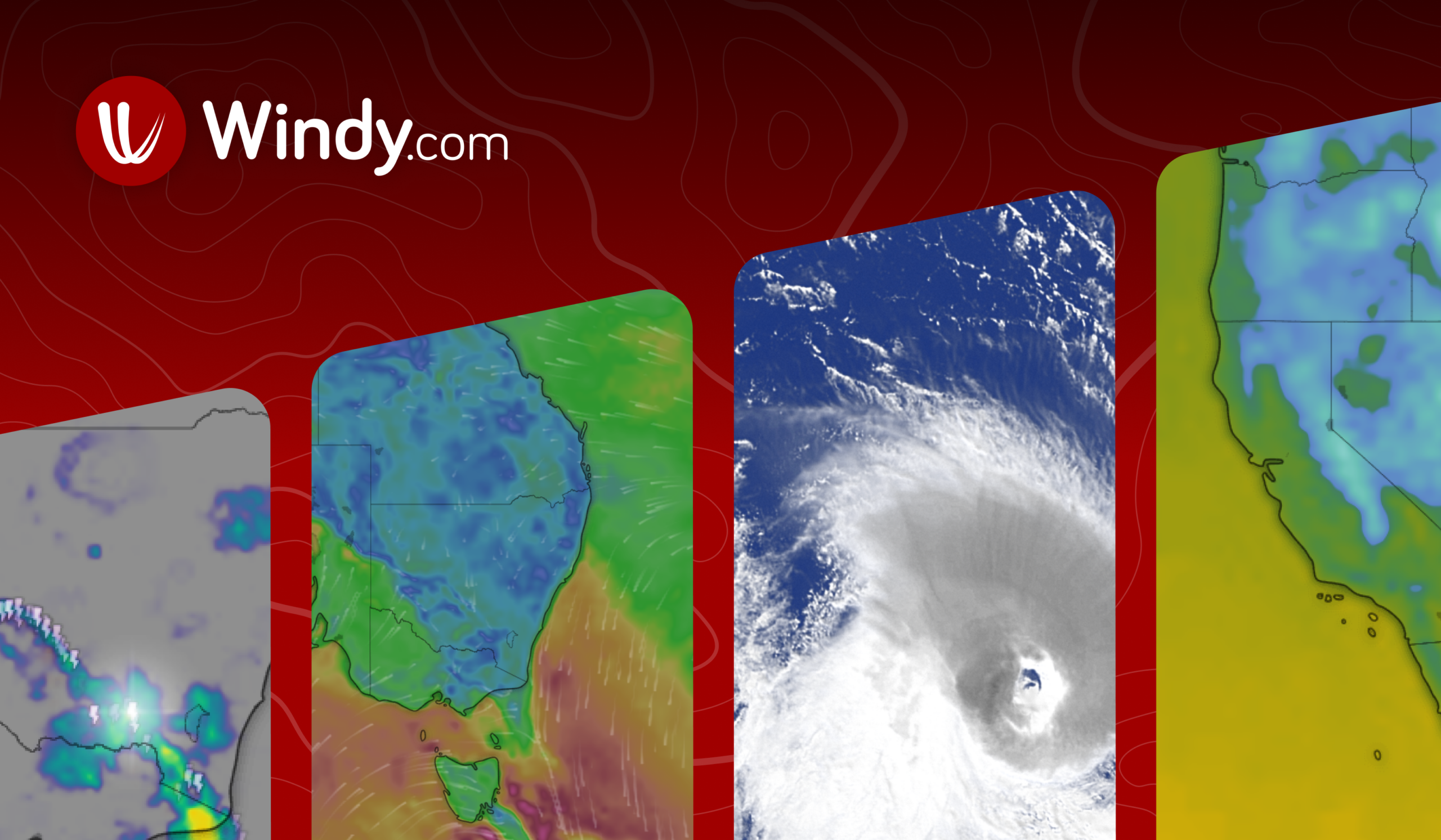
Introduction to Windy Weather
Windy weather plays a crucial role in shaping our climate and environment. It influences temperature, precipitation, and air quality, affecting both natural ecosystems and human activities. As global weather patterns shift due to climate change, understanding windy conditions becomes even more significant.
Current Windy Conditions Around the UK
According to the UK Met Office, recent weeks have seen an increase in windy conditions across the nation, particularly in coastal areas. Storms such as Storm Babet have brought sustained winds of over 50 mph, leading to significant disruptions. The strong winds have caused widespread tree damage, power outages, and travel delays, indicating the potential hazards brought by windy weather.
Effects on Health and Safety
Windy conditions can pose health risks, especially for vulnerable populations. The strong winds can exacerbate respiratory issues by blowing allergens and pollutants through the air. Additionally, there are safety concerns during high winds—particularly related to falling debris and outdoor activities. Local authorities and health professionals emphasize the importance of remaining aware of weather forecasts and taking precautions when venturing outdoors.
Conclusion and Future Implications
As windy weather events become more frequent and intense, understanding their implications for safety, health, and climate is vital. Forecasts suggest that the UK will continue to experience increasingly erratic weather patterns due to climate change, raising the potential for more severe wind-related incidents in the future. It is crucial for communities to stay informed and prepare adequately for these windy conditions to mitigate risks and ensure public safety.