Introduction
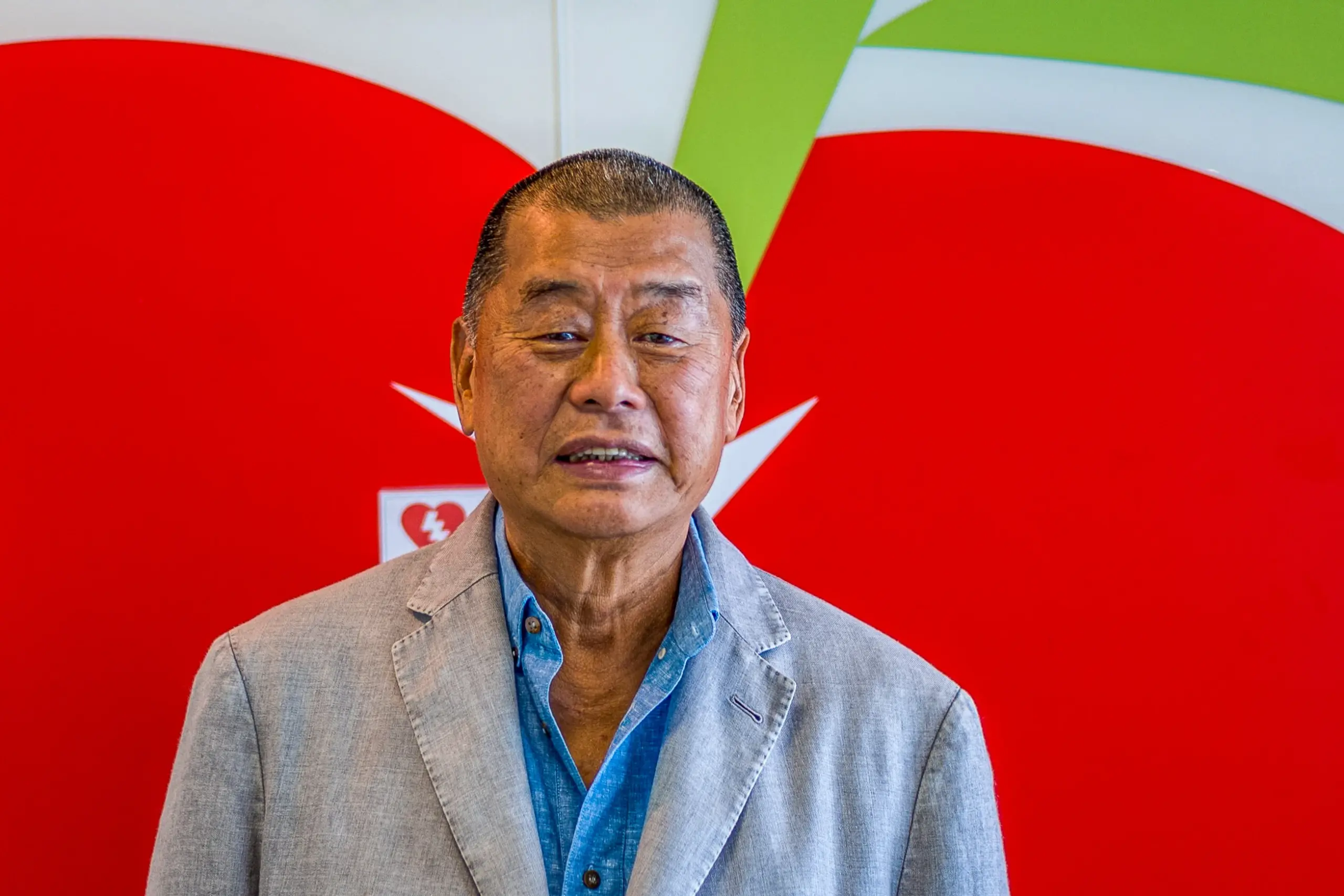
Jimmy Lai, a prominent media mogul and pro-democracy activist, has become a symbol of resistance against authoritarianism in Hong Kong. As the founder of the Apple Daily newspaper, Lai has used his platform to voice the aspirations of the people and challenge the Chinese government’s tightening grip on the region. His ongoing legal battles and the international attention surrounding his plight highlight the significant struggle for freedom of speech and human rights in Hong Kong.
Life and Career
Born in 1947 in Guangzhou, China, Lai emigrated to Hong Kong in his teenage years. He started his career in the garment industry before venturing into media. In 1995, he founded Apple Daily, a newspaper known for its bold criticism of the Chinese Communist Party and its support for the pro-democracy movement. The paper quickly gained popularity and became a cornerstone for many in Hong Kong, advocating for civil liberties and accountability from the authorities.
Legal Challenges
In recent years, Jimmy Lai has faced numerous legal challenges. He was arrested during a crackdown on pro-democracy protests in 2020, which was seen as a broader effort by the Chinese government to quash dissent in Hong Kong. Lai was charged with several offenses, including conspiracy to collude with foreign forces, which could lead to life imprisonment. His situation drew international condemnation, including calls from world leaders for his release, highlighting the ongoing concerns over Hong Kong’s freedom.
International Impact
Lai’s case has not only shed light on the situation in Hong Kong but has also raised questions about the obligations of governments worldwide regarding human rights. The Biden administration and various human rights organisations have condemned Lai’s treatment, emphasizing the need for global solidarity in the fight for democratic freedoms. His struggle has become a rallying point for pro-democracy advocates, inspiring movements and protests worldwide.
Conclusion
As Jimmy Lai continues his fight against the legal challenges he faces, his story serves as a powerful reminder of the fragility of democracy and free speech. The future of Hong Kong remains uncertain, but Lai’s resilience and commitment to his beliefs spotlight the need for continued advocacy for human rights globally. His situation exemplifies the enduring struggle against oppression and the importance of standing up for one’s convictions, regardless of the consequences. Moving forward, Lai’s ordeal will likely continue to be a focal point for discussions about freedom, press rights, and the global ramifications of authoritarianism.