Introduction
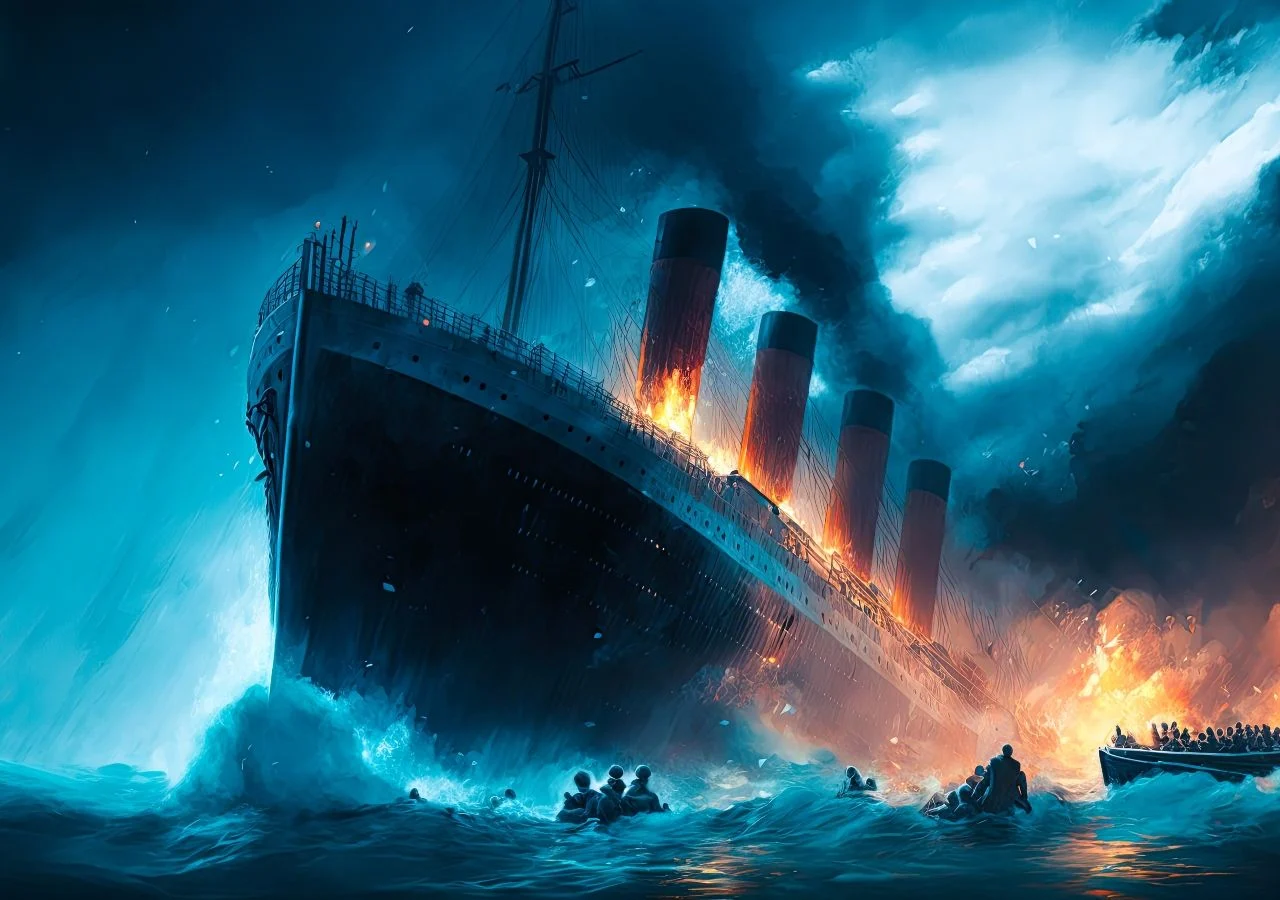
The Titanic, a symbol of human ingenuity and tragedy, sank on April 15, 1912, during its maiden voyage. This maritime disaster holds profound importance as it not only claims over 1,500 lives but also significantly reshaped maritime laws and passenger safety regulations. Understanding the events surrounding the Titanic’s ill-fated journey provides critical insights into the evolution of safety practices aboard vessels, which remain relevant to this day.
The Titanic’s Journey
The RMS Titanic, built by Harland and Wolff in Belfast, was the largest ship in the world at the time of its launch. Designed to offer unparalleled luxury, it catered to the affluent passenger class while also accommodating third-class travelers. On April 10, 1912, it set sail from Southampton, England, destined for New York City. However, just four days into its voyage, tragedy struck when the ship collided with an iceberg in the North Atlantic.
The Aftermath of the Disaster
The aftermath of the Titanic disaster was catastrophic. Of the approximately 2,224 passengers and crew onboard, only 705 survived. The rescue efforts, particularly from the RMS Carpathia, highlighted both the heroic and tragic stories of those who perished. In the fallout, public outrage led to inquiries that unveiled significant lapses in safety protocols, including lifeboat requirements and iceberg warnings that were disregarded. Consequently, the International Convention for the Safety of Life at Sea (SOLAS) was established in 1914, instituting regulations that remain in effect to enhance maritime safety.
Enduring Legacy
Over a century later, the story of the Titanic continues to captivate the public imagination, inspiring countless films, books, and exhibitions that delve into its history. The wreck site has become a significant area of archaeological interest, prompting ongoing exploration and research initiatives aimed at understanding the ship’s historical context and preserving the underwater graveyard that holds many stories untold.
Conclusion
The Titanic serves not only as a tragic reminder of the fragility of human life but also as a catalyst for change in maritime history. The lessons learned from this disaster ushered in a new era of safety regulations, ensuring greater accountability and protection for future seafarers and passengers alike. With ongoing research and artistic tributes, the Titanic will likely remain an integral part of cultural heritage discussions, continuing to educate future generations about the importance of safety and precaution at sea.