The wider picture
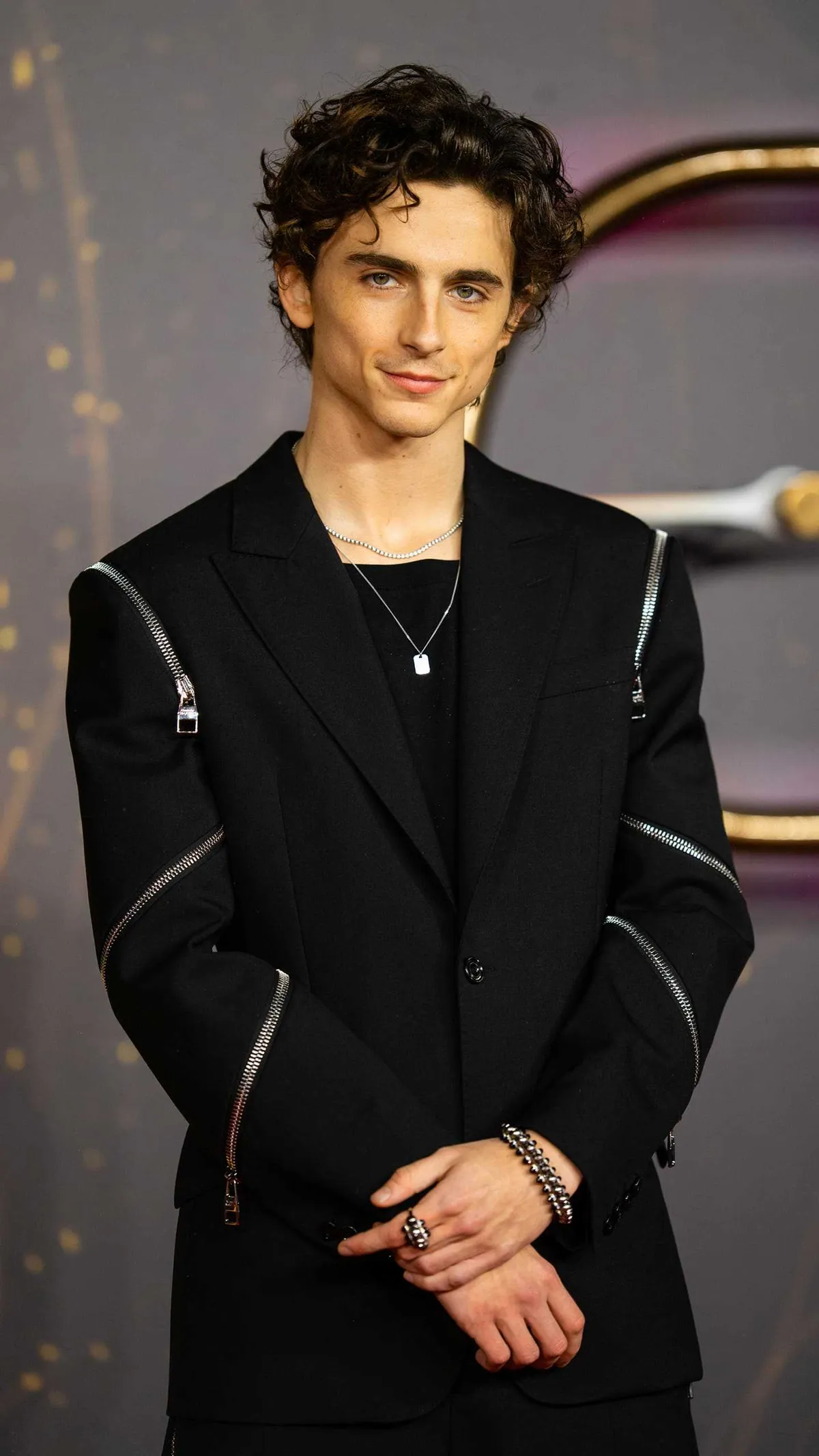
Timothée Chalamet’s recent remarks regarding ballet and opera have stirred significant controversy, particularly following a town hall discussion hosted by CNN and Variety on February 24, 2026. During this event, Chalamet expressed his disinterest in pursuing work in these traditional art forms, stating, “I don’t want to be working in ballet or opera, or, you know, things where it’s like, ‘Hey, keep this thing alive, even though it’s like, no one cares about this anymore.’” His comments were met with immediate backlash from the ballet and opera communities, who felt that his statements undermined the cultural significance and ongoing relevance of these art forms.
As the controversy unfolded, Chalamet attended the 98th Academy Awards on March 15, 2026, where his comments were referenced multiple times. Despite being nominated for Best Actor for his role in “Marty Supreme,” he did not take home the award, which instead went to Michael B. Jordan for his performance in “Sinners.” The Oscars, hosted by Conan O’Brien, humorously acknowledged the situation, adding a layer of public scrutiny to Chalamet’s remarks.
The backlash from Chalamet’s comments was widespread, with many artists and fans expressing their frustration on social media. Misty Copeland, a prominent figure in the ballet world, publicly voiced her surprise at Chalamet’s perspective, emphasizing the enduring importance of ballet and opera in the cultural landscape. She stated, “I’m sure you could walk into an opera theater right now, seats would be filled out, and nobody is saying a word as the performance is going because everybody has that much respect for it.” This sentiment reflects a broader concern within the arts community about the perception of these traditional forms.
Chalamet’s family has a notable history in ballet, with his grandmother, mother, and sister all having danced with the New York City Ballet. This background adds an intriguing layer to the controversy, as many observers wonder how his upbringing may have influenced his views. Victor Caixeta, another artist, remarked, “Let’s see if your movies are still being watched in 300 years,” highlighting the long-standing legacy of ballet and opera compared to contemporary cinema.
The discussion surrounding Chalamet’s comments also touches on a larger conversation about the pressures faced by artists to keep certain art forms alive. Chalamet’s remarks were made in the context of this pressure, suggesting a disconnect between the film industry and traditional arts. As the backlash continues, many in the arts community are rallying to defend the relevance of ballet and opera, underscoring their historical significance and ongoing contributions to culture.
As the situation develops, observers are keen to see how Chalamet will navigate the fallout from his comments. While some may argue that his statements reflect a generational shift in the arts, others contend that they risk alienating audiences who hold these art forms dear. The ongoing dialogue may serve as a catalyst for further discussions about the role of traditional arts in a rapidly evolving cultural landscape.
Details remain unconfirmed regarding any potential responses from Chalamet or his representatives. However, the arts community remains vigilant, ready to engage in conversations about the future of ballet and opera in light of these recent events.