Introduction to Tripoli
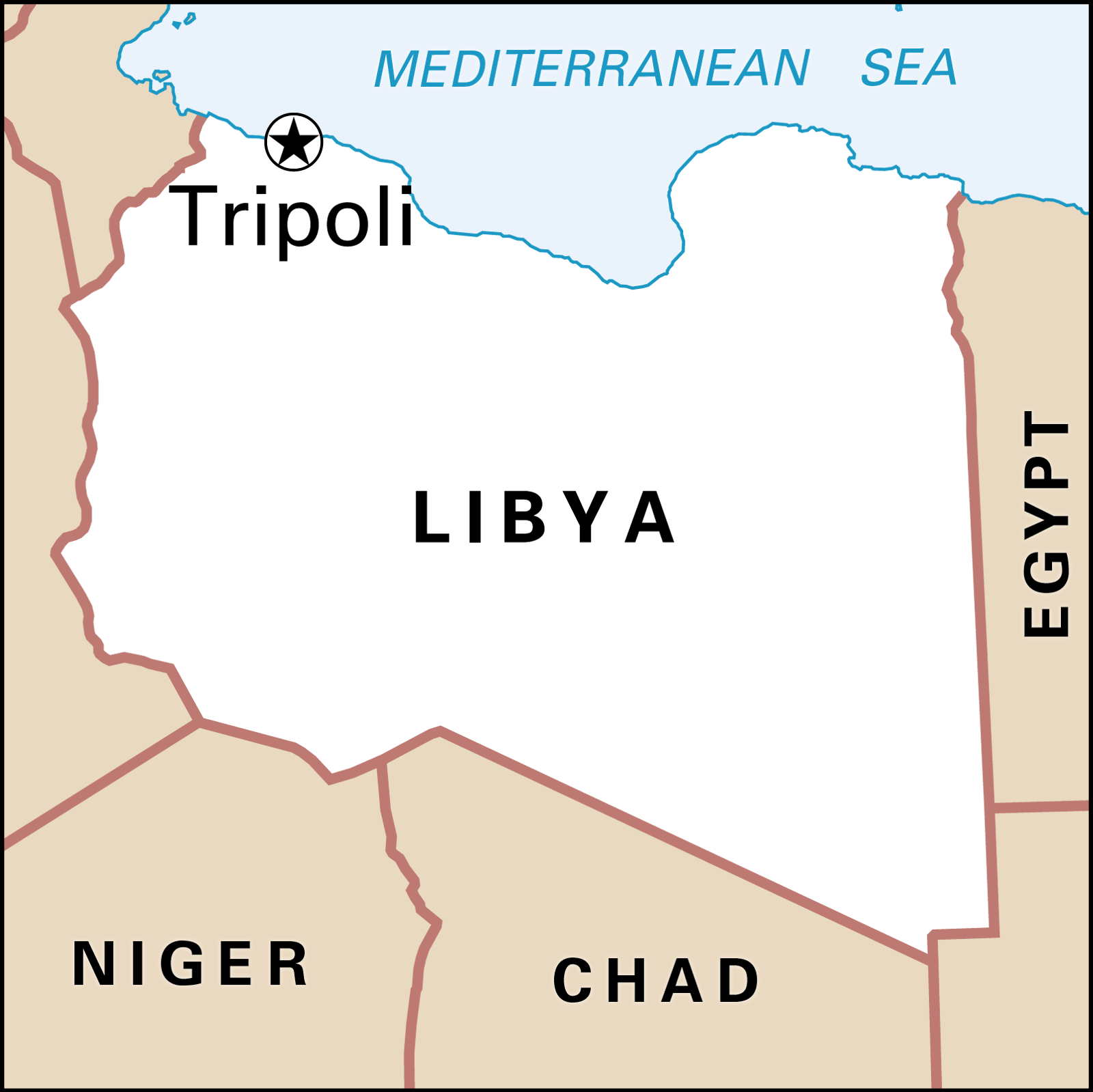
Tripoli, the capital of Libya, holds a significant place in North African history. As the largest city in the country, it serves as a crucial political, economic, and cultural hub. Understanding Tripoli’s role is essential for grasping Libya’s complex historical narrative and contemporary developments.
Historical Background
Founded in the 7th century BC, Tripoli has a storied past that includes influences from various civilisations, including the Phoenicians, Romans, and Ottomans. Notably, the city’s medina, a UNESCO World Heritage Site, reflects its historical significance with a plethora of ancient buildings and narrow alleyways echoing its vibrant past.
Current Events and Developments
In recent years, Tripoli has experienced considerable turmoil due to ongoing conflict and political instability. Following the Libyan Civil War which toppled Muammar Gaddafi in 2011, the city became a focal point for rival factions vying for control. However, recent ceasefires and national reconciliation efforts have led to a more stable environment, encouraging rebuilding and economic recovery.
In December 2022, the national government announced various initiatives aimed at revitalising Tripoli’s infrastructure, including investment in transportation and tourism. One key project involves the renovation of historical sites to attract more international visitors, fostering economic growth while preserving the city’s rich history.
The Role of Tripoli in Regional Politics
Tripoli’s geopolitical significance cannot be understated. As Libya navigates its complex post-revolutionary landscape, the city’s stability is crucial for maintaining peace in the region. Ongoing diplomatic efforts by international organisations aim to support a unified government that can adequately address economic and social challenges.
Conclusion: Looking Ahead
The future of Tripoli remains pivotal not only for Libya but for the broader North African region. As political stability improves, the city is poised for growth, offering opportunities for investment and development. For tourists, historians, and scholars alike, Tripoli presents a fascinating blend of ancient history and modern challenges. As Libya continues to rebuild, Tripoli’s journey will be a significant indicator of the country’s potential resurgence on the world stage.