What the data shows
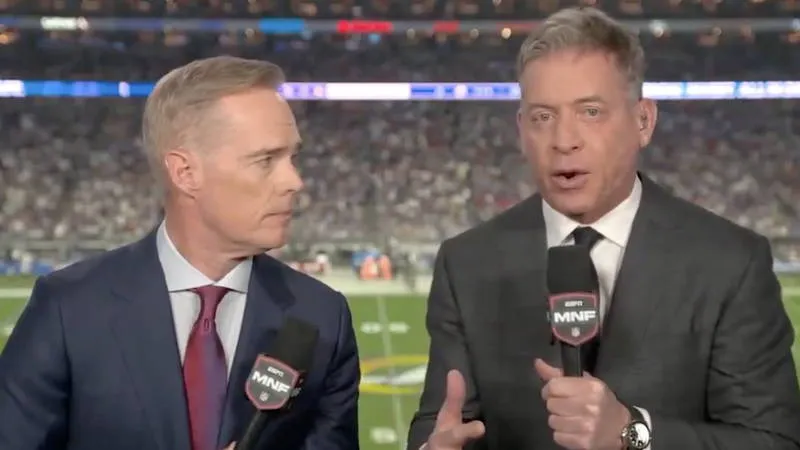
Troy Aikman’s role with the Miami Dolphins has sparked considerable interest and debate within the NFL community. The central question this situation raises is: how does Aikman’s dual role as both a broadcaster and a consultant for the Dolphins impact the integrity of the league? The answer appears to be multifaceted, with Aikman’s influence extending beyond a mere advisory capacity.
Aikman was initially brought on board as a consultant during the Dolphins’ search for a new general manager and head coach. This role has since evolved into a more permanent position, indicating that the Dolphins value his insights and connections within the league. Aikman himself has expressed enthusiasm about his involvement, stating, “I’m pulling for the Dolphins . . . because now I have something at stake, and I think they hired two really talented, wonderful people, and I think that’s gonna prove itself out.” This sentiment underscores his commitment to the team’s success.
Moreover, Aikman believes that the Dolphins made a wise decision in utilizing his extensive relationships around the league. He noted, “I think the Dolphins were wise in understanding my relationships around the league,” which suggests that his network could provide the team with valuable insights and opportunities. This aspect of his role raises questions about the potential advantages he may bring to the Dolphins, especially as they navigate the competitive landscape of the NFL.
However, the NFL has remained tight-lipped regarding Aikman’s dual role, declining to comment on the implications of his consulting position while continuing his broadcasting career. This silence leaves room for speculation about how the league will address potential conflicts of interest. Aikman himself has acknowledged that he may not be objective when announcing Dolphins games, further complicating the narrative surrounding his dual responsibilities.
The Dolphins have made significant moves during the offseason, hiring Jon-Eric Sullivan as general manager and Jeff Hafley as head coach. These decisions, made with Aikman’s input, could reshape the team’s future. Aikman has indicated that he feels his “fingerprints” are on the Dolphins’ decisions, which raises the stakes for both him and the organization.
Despite the excitement surrounding his role, details remain unconfirmed regarding the exact nature and limitations of Aikman’s involvement with the Dolphins. The NFL previously stated it would address Aikman’s situation “at the appropriate time,” leaving fans and analysts alike to ponder the implications of his dual roles.
As the season progresses, the unfolding dynamics of Aikman’s relationship with the Dolphins will be closely monitored. His unique position could serve as a case study in the evolving nature of roles within professional sports, especially as more former players transition into dual capacities that blend broadcasting with team involvement.
In summary, Troy Aikman’s role with the Miami Dolphins is a complex interplay of influence, commitment, and potential conflict. As the NFL navigates these new waters, Aikman’s situation may well set a precedent for how dual roles are managed in the future.