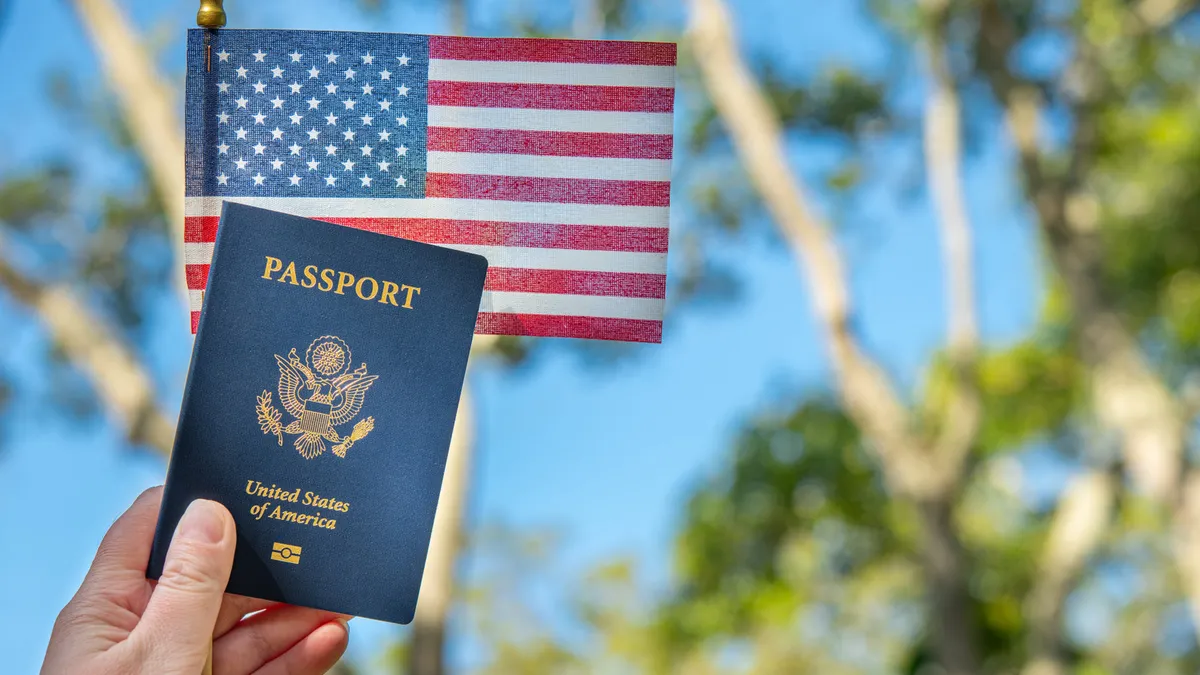
The Trump administration’s citizenship crackdown could strip hundreds of Americans of their citizenship and passports, creating a state of permanent vulnerability for many naturalized citizens. This shift marks a departure from the prior expectation that U.S. citizenship was largely secure once granted. Naturalized citizens once enjoyed the assurance of their legal status; now, they face an uncertain future.
Before this development, denaturalization cases were extremely rare. The process itself—stripping legal Americans of their citizenship—was seldom invoked. However, the landscape changed dramatically during Trump’s presidency; the Justice Department has identified 384 foreign-born Americans at risk of losing their citizenship. This is a stark contrast to the average of just 11 denaturalization cases pursued annually from 1990 to 2017.
What triggered this decisive moment? Executive Order 14128 directs federal agencies to prioritize cases involving fraud or criminal activity. During Trump’s first term, over a hundred denaturalization cases were filed, signaling a shift in immigration enforcement priorities. The proposed Exclusive Citizenship Act aims to ban dual citizenship for Americans, further complicating the landscape for those who once felt secure.
The effects are palpable. Naturalized citizens from certain countries report heightened fears of retroactive reviews due to these new policies. They now navigate a labyrinthine naturalization process under the shadow of potential denaturalization—a state that breeds anxiety and uncertainty.
Experts have voiced concerns regarding these developments. ACLU attorney Lee Gelernt stated, “These policies are not only cruel — they are unconstitutional.” Critics argue that stripping away citizenship undermines the very principles upon which America was founded. Yet supporters claim it restores the “sacred meaning” of American citizenship, as President Trump put it.
This ideological rift raises questions about what it means to be an American today. Citizenship is not merely a legal status; it’s an identity intertwined with rights and responsibilities. But with increased scrutiny and enforcement, many fear that their identity can be revoked at any moment, leaving them vulnerable and exposed.
As we consider the implications of this crackdown, we must reflect on its broader impact—on families, communities, and national identity itself. Millions of naturalized citizens now find themselves in a precarious position, forced to grapple with an evolving definition of belonging in America.
The urgency cannot be overstated: how will this affect those already living in a state of fear? The next steps remain unclear, but one thing is certain—the landscape for U.S. citizenship has irrevocably changed under this administration.