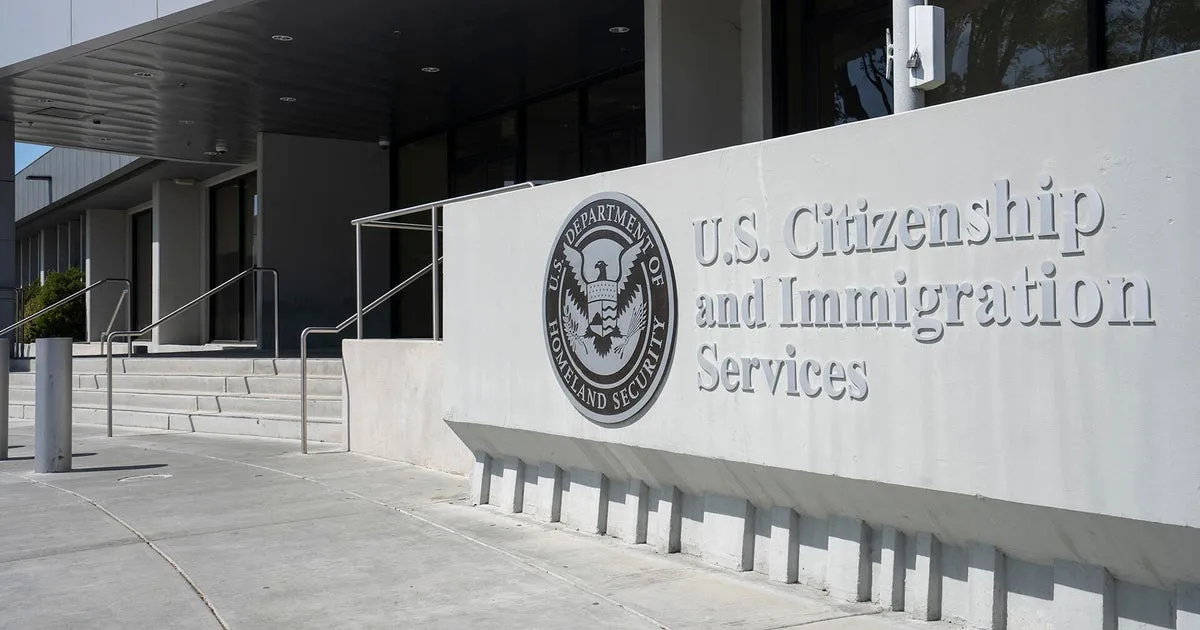
The Trump administration’s new immigration policy includes enhanced security checks that pause pending applications and require resubmission for FBI background checks. This shift, which began on April 27, 2026, has significant implications for many immigrants seeking green cards or navigating the naturalization process.
Before this policy change, the USCIS had been processing applications without the stringent requirements now mandated. The directive came as part of a broader crackdown on immigration, aimed at increasing national security by ensuring that applicants undergo thorough vetting.
On April 27, 2026, USCIS officers received instructions to pause any pending applications that had not yet undergone the new security checks. This pause means that many individuals will face delays in their immigration journeys. As Zach Kahler from USCIS stated, “Any delay in decision issuance should be brief and resolved shortly.” Yet, the uncertainty looms large for those affected.
The enhanced checks are facilitated by an executive order from President Trump, which granted USCIS greater access to the FBI’s criminal history database. This move underscores a shift in focus—prioritizing safety over expediency. Trump emphasized this point when he stated that such measures target “criminal actors” who may pose risks to the U.S.
Currently, USCIS is actively applying these new background check requirements while processing existing applications. They have confirmed that fingerprint submissions are now a prerequisite for both green card applications and the naturalization process. The ramifications of this shift could affect thousands of immigrants who are already navigating a complex system.
The implications of these changes extend beyond just procedural adjustments. They represent a tightening grip on immigration policies that have been evolving since early 2025. With an executive order directing increased scrutiny, the landscape has shifted significantly.
As part of this crackdown, the administration also continues to enforce policies such as the travel ban affecting individuals from 39 countries—a critical aspect of their broader national security strategy. This multifaceted approach raises questions about fairness and access within the immigration system.
In light of these developments, it remains crucial for applicants to stay informed about their application statuses and potential delays. The requirement to resubmit fingerprint-based screenings could further complicate matters for many.
The future remains uncertain for those awaiting decisions on their cases. However, one thing is clear: the landscape of U.S. immigration is undergoing a significant transformation under this administration.