What does the recent ruling by a federal judge mean for the Trump administration’s efforts in education and election reforms? The answer is significant: it halts a controversial data collection initiative aimed at proving that colleges are not considering race in admissions.
This ruling, delivered by U.S. District Court Judge F. Dennis Saylor IV in Boston, stems from a lawsuit filed by a coalition of 17 Democratic state attorneys general. The data collection effort, ordered by President Donald Trump in August 2023, was intended to scrutinize admissions practices following the Supreme Court’s decision against affirmative action in the same year.
According to the National Center for Education Statistics, the Education Department’s Office for Civil Rights had mandated that Harvard University comply with data requests within 20 days, with a total of seven years of data required retroactively. The urgency of this initiative was underscored by a 120-day deadline imposed by the President.
Critics, including Harvard representatives, argue that the data has been sought in such a hasty and irresponsible manner that it could create significant problems for universities. Michelle Pascucci, a spokesperson, stated, “The data has been sought in such a hasty and irresponsible way that it will create problems for universities.” This reflects broader concerns about the implications of such data collection on educational institutions.
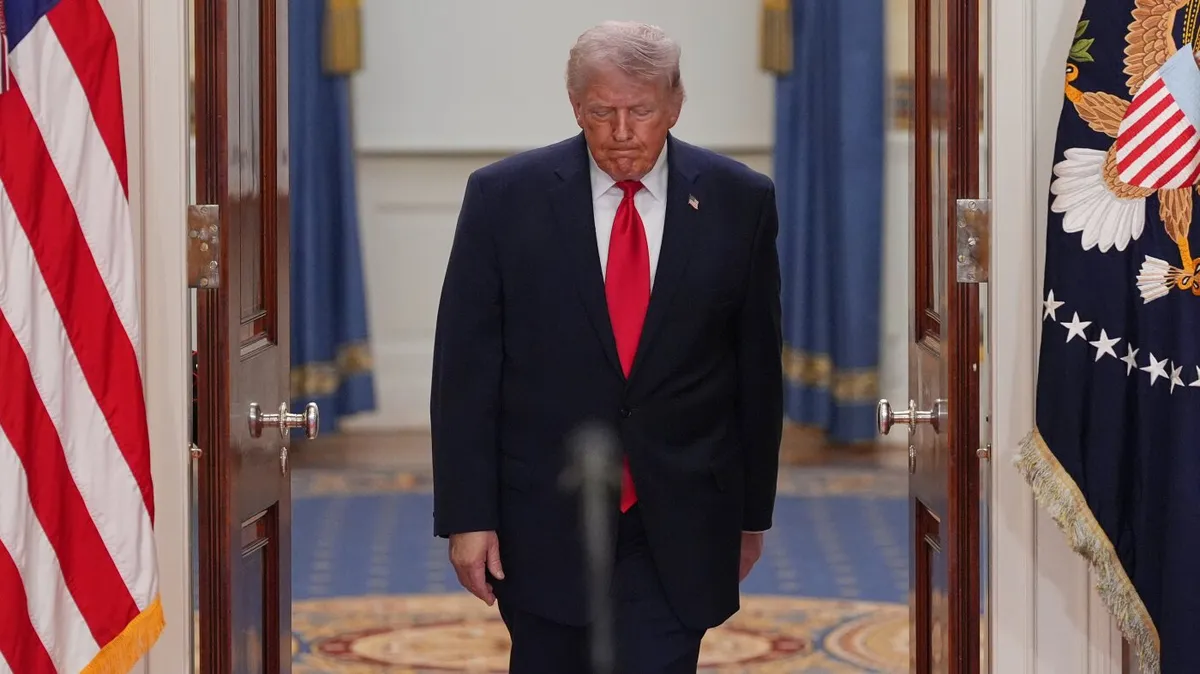
In a parallel development, California Attorney General Rob Bonta has filed a lawsuit against Trump over a mail-in voting executive order, marking the state’s 66th legal challenge against the Trump administration. Bonta claims that the executive order, which aims to overhaul the nation’s election system, is unconstitutional.
Bonta has previously criticized Trump’s administration, stating, “Their interference, their actions are the threats to the integrity of our election system.” This reflects a growing tension between state and federal authorities regarding election laws.
Trump’s previous attempts to require proof of citizenship for voting were blocked by three federal courts, highlighting the ongoing legal battles surrounding his administration’s election policies. Bonta has referred to the latest executive order as “just as illegal as the first one,” indicating a persistent commitment to challenging Trump’s initiatives.
As these legal challenges unfold, the implications for both education and election integrity remain significant. The outcomes of these lawsuits could reshape the landscape of college admissions and voting rights in the United States.
Details remain unconfirmed regarding the next steps for the Trump administration in light of these rulings, but the legal landscape is increasingly fraught with challenges that could impact future policies.