Who is involved
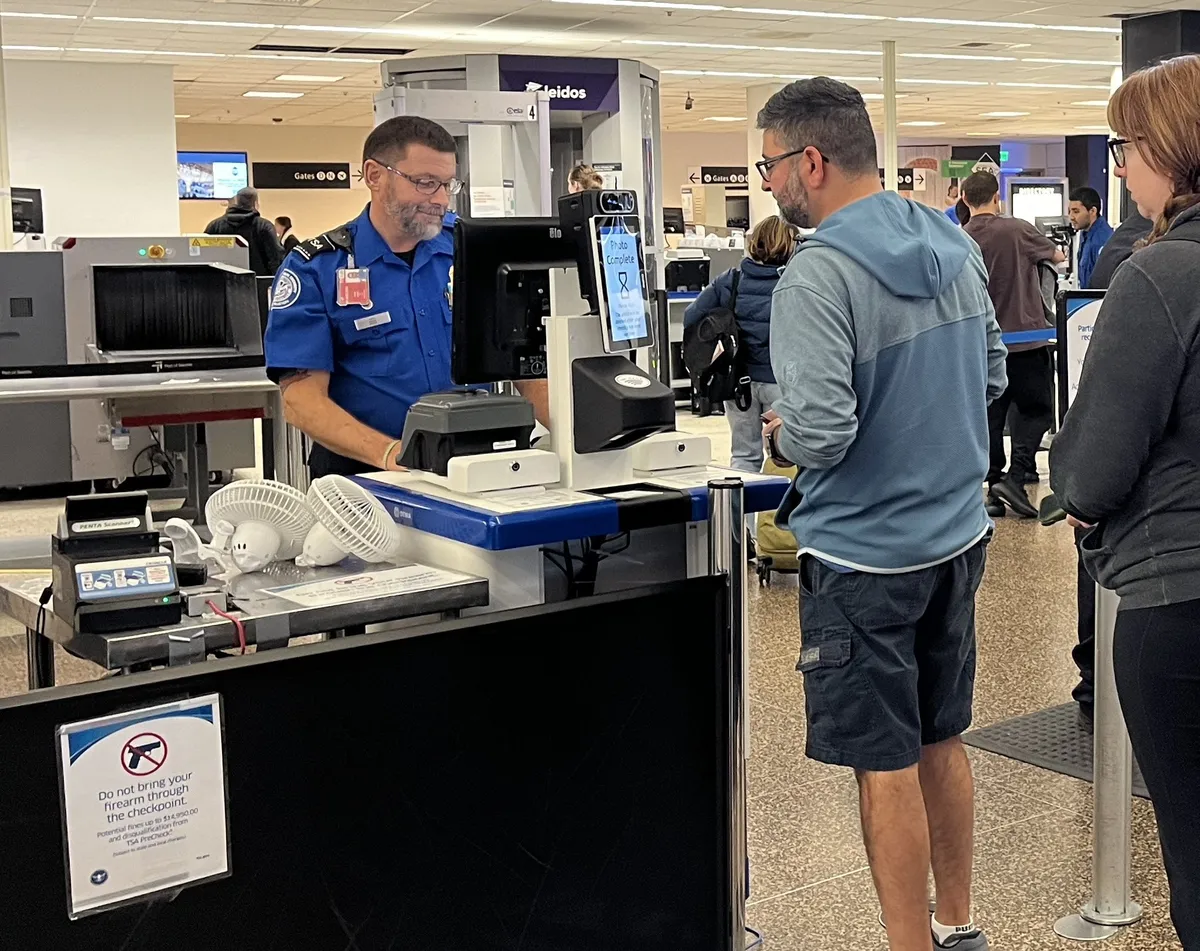
The landscape of airport security in the United States has long been dominated by the Transportation Security Administration (TSA), a federal agency tasked with ensuring the safety of air travel. Historically, the expectation was that TSA would continue to operate as a government entity, providing consistent security measures across all airports. However, recent developments suggest a shift towards privatization, a move that could redefine the operational framework of airport security.
In 2027, President Donald Trump proposed expanding the privatization of TSA security operations at more airports. This proposal comes in the wake of a partial government shutdown that has led to significant delays and long security lines at airports nationwide. The shutdown highlighted vulnerabilities within the TSA, including an alarming 11% call-out rate among TSA workers, which raised questions about the agency’s ability to maintain effective security during crises.
The decisive moment came with the announcement of a budget proposal requesting $63 billion for the Department of Homeland Security (DHS), which includes a $2.2 billion decrease from the previous year. Within this budget, $52 million is earmarked for cuts related to TSA’s privatization efforts. The White House claims that airports already utilizing privatized security measures have demonstrated cost savings compared to traditional federal operations, suggesting a potential for greater efficiency.
However, the implications of this shift are far-reaching. On one hand, privatization aims to ensure that security screeners are compensated even during government shutdowns, addressing a critical issue that has plagued federal workers. On the other hand, the TSA union has raised concerns that privatization could lead to reduced pay and diminished protections for workers, creating a precarious situation for those tasked with maintaining airport security.
Adding to the complexity of the situation, a recent incident involving Pima County Sheriff Chris Nanos, who was stopped by TSA agents for carrying a loaded gun in his carry-on luggage, underscores the challenges facing airport security. Although the sheriff was not charged, the incident raises questions about the effectiveness of security protocols and the potential risks associated with privatization.
Experts have weighed in on the potential outcomes of this privatization initiative. The White House has stated that the move would yield cost savings and initiate much-needed reforms within a troubled federal agency. However, the exact impact on worker pay and security risks remains unclear, leaving many stakeholders in a state of uncertainty. Details remain unconfirmed.
As the TSA navigates this pivotal moment, the balance between cost efficiency and the safety of air travel hangs in the balance. The future of airport security may very well depend on how effectively the agency can adapt to these changes while ensuring that the safety of passengers remains the top priority.